lifestyle
Best Neighborhoods in Zurich: Expat's 2026 Guide
Discover where to live in Zurich's top districts. Compare rental prices, neighborhood vibes, and find your perfect expat home in 2026.
How we reported this
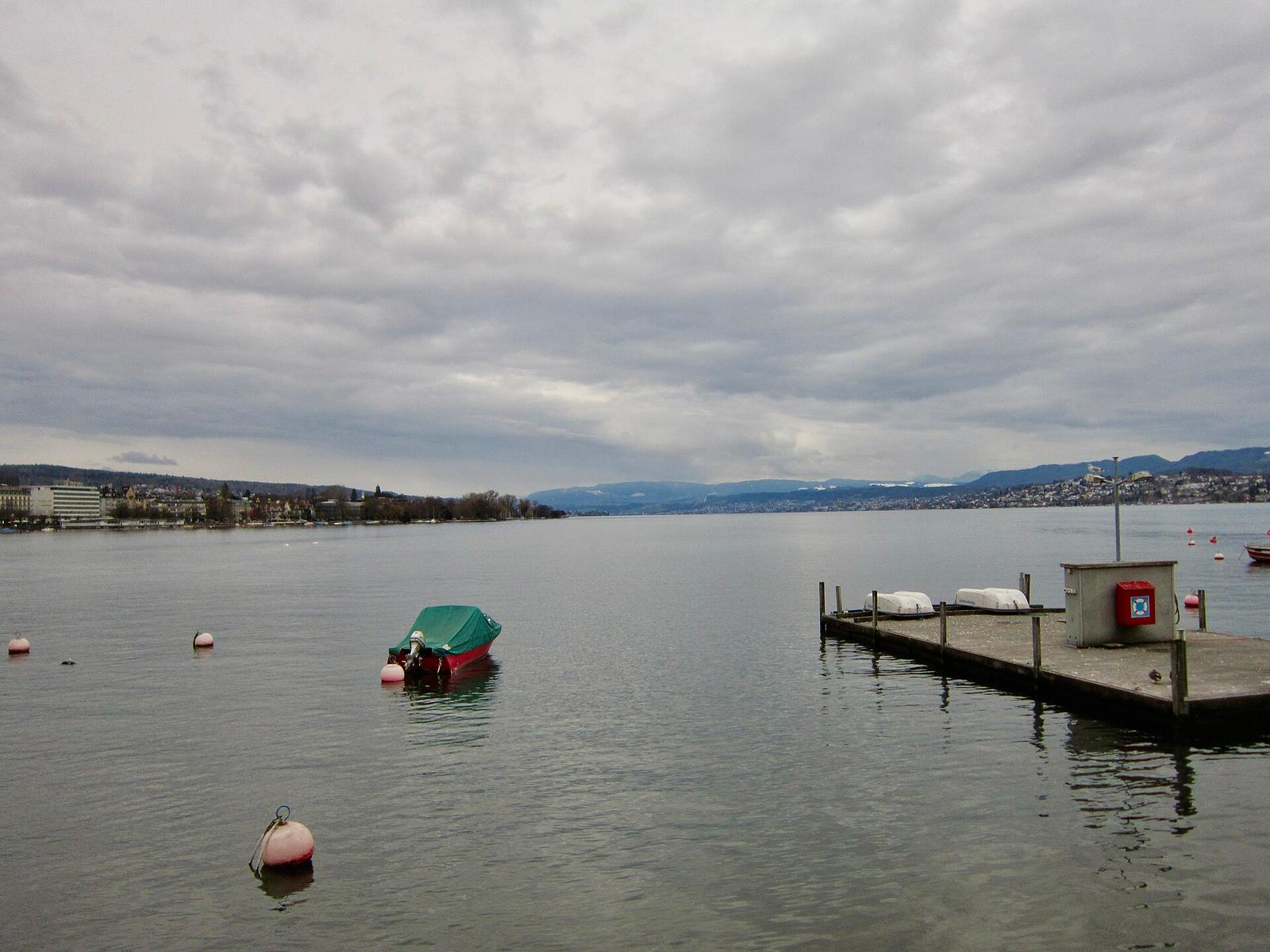
Zurich consistently ranks among the world's most liveable cities, but it also sits near the top of another list: the most expensive. As at early 2026, the citywide vacancy rate hovers around 0.1%, making it one of Europe's tightest rental markets. Property prices have climbed roughly 5% over the past 12 months, and a typical two-bedroom apartment now costs around CHF 3,600 per month (approximately US$3,960), with a realistic range of CHF 3,000 to CHF 4,800 depending on the district.
None of that should put you off. Zurich rewards those who do their homework, and every Kreis (district) has a distinct personality. Here is a neighbourhood-by-neighbourhood breakdown to help you decide where to settle.
Seefeld (Kreis 8): The Lakefront Favourite
Seefeld is the neighbourhood most expats picture when they imagine life in Zurich. Stretched along the eastern shore of Lake Zurich, it offers tree-lined streets, independent boutiques and an ever-growing roster of international restaurants. The lakefront promenade is ideal for morning runs, and the Zurichhorn park hosts open-air cinema and food festivals through the warmer months.
Expect to pay between CHF 2,400 and CHF 4,500 per month (US$2,640 to US$4,950) for a rental here, depending on size and proximity to the water. Competition for apartments is fierce; viewings often draw dozens of applicants. If walkability, culture and a cosmopolitan social scene matter most, Seefeld is hard to beat.
Enge and Wollishofen (Kreis 2): Family Life by the Lake
South of the city centre, Kreis 2 wraps around the western lakeshore and climbs gently into leafy residential streets. Enge is the more urban half, with excellent tram connections and proximity to the Sihlcity shopping centre. Wollishofen, further south, is quieter and greener, with playgrounds, small parks and a strong sense of community.
The district is particularly popular with expat families. Several well-regarded international schools are within easy reach, and the lakeside Mythenquai area provides safe, open spaces for children. Rents sit in the mid-to-upper range for Zurich, generally a touch below Seefeld but above the city average.
Fluntern and Hirslanden (Kreis 7): Academic and Medical Hub
Perched on the slopes east of the city centre, Kreis 7 is home to ETH Zurich, the University of Zurich and the university hospital cluster. The housing stock tends to be high quality, with many well-maintained older buildings alongside modern apartments. Fluntern is also where you will find the Zurich Zoo, a genuine neighbourhood landmark.
The hillside position means steeper streets but also better views, cleaner air and a noticeable step down in noise compared with the Altstadt below. Kreis 7 appeals to academics, medical professionals and anyone who values a polished residential environment without sacrificing a short commute to the centre.
Oerlikon (Kreis 11): The Modern, More Affordable Option
For decades, Oerlikon was an industrial outpost. Today it is one of Zurich's fastest-changing districts, with modern apartment blocks, co-working spaces and a growing restaurant scene clustered around the rebuilt Marktplatz. Its trump card is transport: Oerlikon station is a major rail junction, the airport is roughly ten minutes away by S-Bahn, and several tram lines connect directly to the Hauptbahnhof.
Rents here are meaningfully lower than in the lakeside districts, making Kreis 11 attractive to younger professionals and newcomers who want to live centrally without stretching their budget. The trade-off is a less picturesque setting, though the district's rapid development is closing that gap year by year.
Altstadt (Kreis 1): The Historic Heart
The old town needs little introduction. Cobblestone lanes, guild houses, the twin towers of the Grossmunster and the Limmat river flowing through the middle of it all. Living in Kreis 1 means cafes, galleries and nightlife on your doorstep, but it also means premium rents, limited apartment stock and occasional noise from the Niederdorf bar district.
Altstadt suits professionals and couples who prize location above space. Apartments tend to be smaller and older, and you will rarely find a building with a lift. That said, there is no more characterful address in the city.
Affordable Alternatives Worth Considering
Schwamendingen and Altstetten
These outer districts have historically been among Zurich's most affordable. Both are well served by public transport and have benefited from recent investment in public spaces and community infrastructure. They lack the glamour of the lake districts but offer genuine value in a city where value is hard to find.
Districts 3 and 4 (Wiedikon and Aussersihl)
Once industrial, now creative. Kreis 3 and 4 attract a younger, more diverse crowd with lower rents, independent bars and a grittier urban character. Langstrasse, Zurich's most eclectic street, runs through Kreis 4. These districts are not for everyone, but they reward those who enjoy city energy.
Districts 9 and 12 (Albisrieden and Schwamendingen Nord)
Further from the centre but connected by reliable tram and bus services, these areas offer family-friendly housing at below-average prices. They are worth exploring if you need more space on a tighter budget.
Beyond the City: Thalwil
Technically outside the Zurich city boundary, Thalwil sits on the western shore of Lake Zurich and is a perennial favourite with expat families. It combines lakeside living, good local schools and a direct train to Zurich Hauptbahnhof in around 15 minutes. If your workplace is flexible on location, Thalwil offers a quieter pace without cutting you off from the city.
Practical Tips for Apartment Hunting
- Start your search early. With a vacancy rate of 0.1%, desirable apartments are snapped up within days.
- Prepare a complete dossier (Bewerbungsdossier) including employment contract, salary statement, debt-register extract and references from previous landlords.
- Register with major portals such as Homegate, Comparis and ImmoScout24, and set up alerts for your target districts.
- Consider cooperative housing (Genossenschaft). Zurich has a strong co-op tradition, and rents are typically 20 to 30 percent below market rate, though waiting lists can be long.
- Budget for a deposit of three months' rent, held in a blocked bank account (Mietkaution).
Zurich's rental market is undeniably competitive, but every district offers something distinct. Whether you are drawn to the lakefront elegance of Seefeld, the family-friendly streets of Enge, or the modern convenience of Oerlikon, the key is to move quickly, prepare thoroughly and keep an open mind about which Kreis might surprise you.