Global Instability Reshapes Zurich's Tourism Equation as Hotels and Restaurants Face Shifting Visitor Patterns
Geopolitical tensions and economic uncertainty abroad are forcing Zurich's hospitality sector to recalibrate its business model mid-year.
Geopolitical tensions and economic uncertainty abroad are forcing Zurich's hospitality sector to recalibrate its business model mid-year.
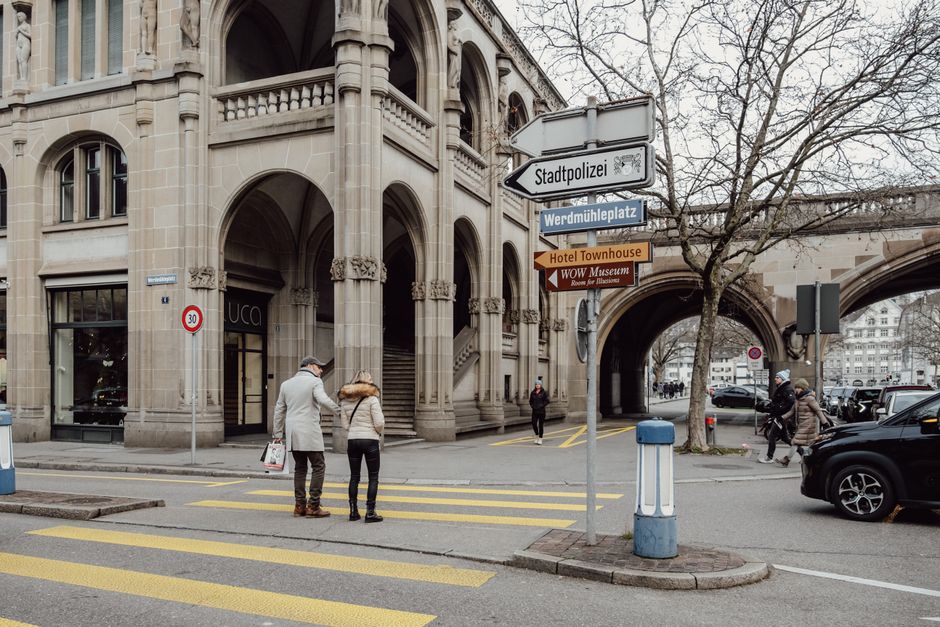
Zurich's hospitality industry is navigating an unusually volatile global environment that is fundamentally altering travel patterns and visitor spending across the city. Hotel occupancy rates in the Altstadt and around Bahnhofstrasse—traditionally the backbone of summer tourism—are tracking 8-12 percentage points below the five-year average for June, according to preliminary data from the Zurich Tourism Board, as geopolitical tensions and economic uncertainty abroad deter leisure travellers.
The impact ripples far beyond hotel lobbies. Restaurants along Limmatquai and in the Wiedikon district report that American and British tourists—historically accounting for roughly 28% of international visitor spend—are either cancelling bookings or reducing trip duration. A manager at a established Bahnhofstrasse retailer noted that foot traffic from premium markets has contracted noticeably, forcing merchants to adjust inventory and staffing levels.
The timing creates particular pressure. Summer typically accounts for 35-40% of Zurich's annual tourism revenue, estimated at 2.3 billion Swiss francs in 2025. With Middle Eastern tensions, economic volatility, and security concerns deterring bookings from key markets, venues across the city are competing harder for the visitors who do arrive.
Yet the broader story is more nuanced. Asian tourist numbers—particularly from Singapore and South Korea—remain robust, and domestic Swiss visitors are reportedly booking more extensively, suggesting some revenue substitution. High-end hotels like those in the Europaallee district are maintaining occupancy through corporate and conference business, which has proven more resilient than leisure travel. Meanwhile, cultural attractions including the Kunsthaus Zurich and Museum Rietberg report stable visitor numbers, though average daily spend per tourist appears to have declined.
The Zurich Convention Bureau is actively repositioning the city's appeal. Rather than competing on price with emerging destinations, the strategy emphasizes Zurich's political stability, safety, and quality infrastructure—attributes that paradoxically gain value when global conditions deteriorate. Business tourism and specialist conferences now anchor summer calendars, with firms relocating or rescheduling meetings to Switzerland specifically to escape uncertainty elsewhere.
For small and medium-sized hospitality businesses, the adjustment is sharper. Guided tour operators and boutique hotels report margin compression as they maintain staffing while operating below capacity. Yet industry observers note this downturn may encourage innovation—from flexible pricing models to partnerships that bundle experiences across neighbourhoods like Kreis 5's emerging food scene.
The trajectory through autumn remains uncertain, but Zurich's economic resilience and global connectivity suggest the city will weather this volatility better than many competitors. The question for local businesses isn't whether tourists will return, but how quickly they adapt to a new calculus of who arrives and how they spend.
This article was compiled by AI from the sources linked above and screened before publishing. See our editorial standards.
How does this story make you feel?
Spread the word
About this article
Published by The Daily Zurich
Daily brief
Free, in your inbox before 7am. Weekdays.
More in Business