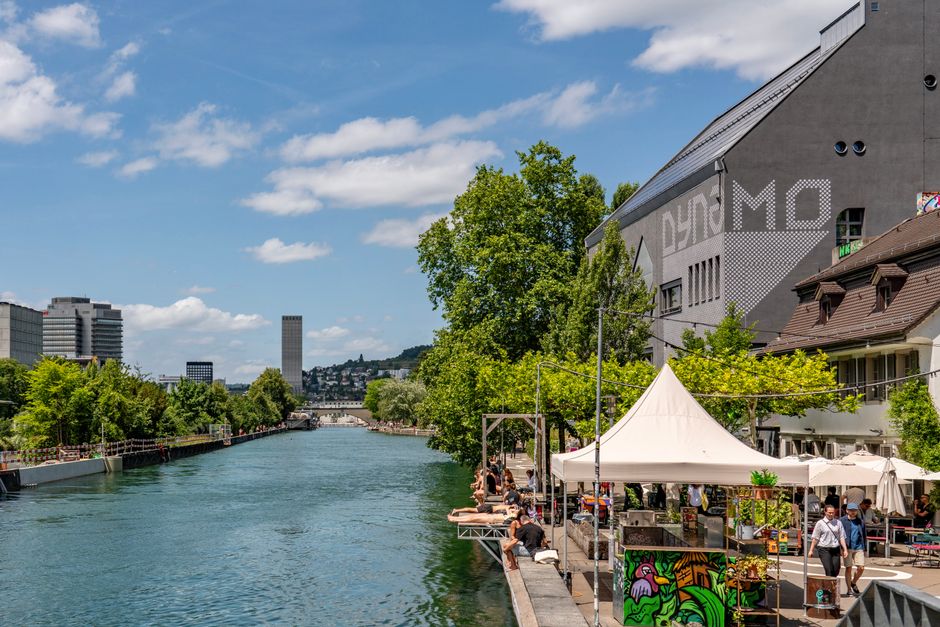
Tucked away in a converted warehouse space on Quellenstrasse in Wiedikon, a quietly ambitious fintech venture is disrupting how ordinary Swiss residents approach wealth-building at a time when mortgage rates hover near 1.5% and rental costs in prime neighbourhoods like Seefeld have climbed 18% over five years.
The company, founded by a former UBS analyst who chose to launch locally rather than migrate to Silicon Valley, has built a platform enabling investors to access fractional ownership in commercial properties and small enterprises—traditionally the domain of high-net-worth individuals and institutional players. With Swiss rents consuming an average of 38% of tenant income in Zurich (well above the 30% benchmark), the founder recognised a critical gap: younger professionals and families needed alternative wealth routes beyond savings accounts yielding barely 0.5%.
What distinguishes this venture is its hyperlocal focus. Rather than targeting global markets, the platform began by mapping Zurich's commercial real estate—from the revitalised industrial zones around Aussersihl to emerging tech hubs near the airport corridor. This granular approach has attracted over 6,000 early investors, predominantly aged 28–45, managing a collective portfolio valued at 47 million Swiss francs since launch in 2023.
The business model addresses a fundamental challenge for Swiss residents: inflation-adjusted returns. With the Swiss National Bank signalling measured rate increases and consumer price indices rising 1.8% annually, traditional banking products leave purchasing power vulnerable. The platform's average annual yield—currently tracking between 5.2% and 6.8% depending on asset class—has resonated with cost-conscious investors seeking diversification beyond equities.
Recent expansion into partnership with established cantonal banks has lent credibility, whilst regulatory compliance through FINMA oversight has positioned the venture as trustworthy in a market where financial literacy correlates closely with investment participation. Notably, the company operates from a deliberately modest office space, minimising overhead costs—a philosophy mirrored in transparent fee structures that undercut traditional wealth managers by up to 60%.
The entrepreneur's success reflects a broader truth about Zurich's investment landscape: global capital concentration masks genuine opportunity for locally-rooted innovation that solves real problems. As cost-of-living pressures intensify across Switzerland, ventures anchored in authentic community understanding—rather than abstract scalability metrics—are proving they can build sustainable wealth ecosystems.
For a city historically defined by banking conservatism, this founder embodies a newer archetype: pragmatic disruption grounded in Zurich soil.
This article was compiled by AI from the sources linked above and screened before publishing. See our editorial standards.