Zurich welcomed 4.2 million overnight stays last year, a 12% increase from 2024, and that surge is reshaping life for the people who actually live here. From Altstadt congestion to Bahnhofstrasse crowds, the tourism economy is no longer a distant sector—it's your morning commute, your weekend plans, and your rental market.
The numbers tell a striking story. Hotel occupancy in the city center now hovers around 82% year-round, driving up accommodation costs that landlords translate into residential leases. A one-bedroom apartment in Wiedikon or Aussersihl that rented for CHF 1,800 three years ago now commands CHF 2,300 or more. Airbnb listings have nearly doubled since 2020, removing roughly 3,000 long-term rental units from the residential market, according to housing advocacy groups.
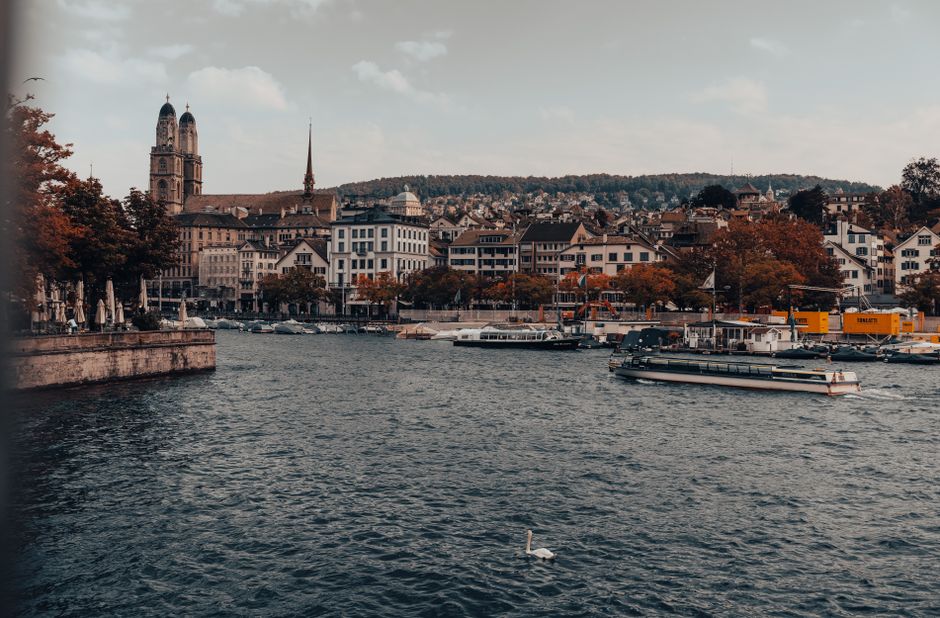
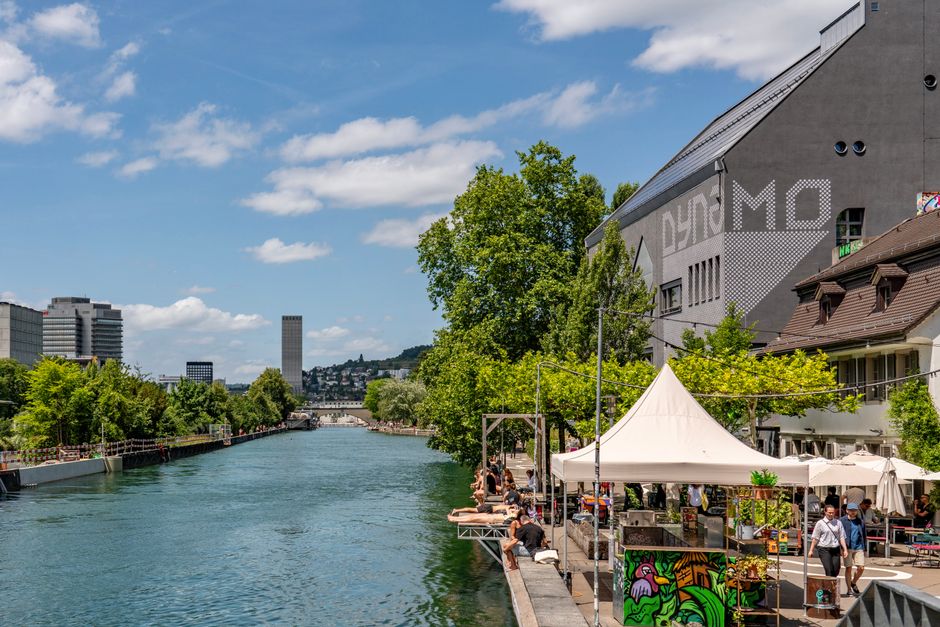
But the visitor economy generates CHF 7.4 billion annually for the broader region, supporting 38,000 jobs directly and indirectly. That matters when your neighbour works in hospitality or your local bakery depends on foot traffic. The challenge is that benefits cluster around specific zones—the Limmat embankments, the Kunsthaus quarter, shopping districts—while congestion and noise spread wider.
What should residents understand? First: peak season now extends beyond summer. Chinese and Middle Eastern visitors, drawn by luxury shopping and banking heritage, arrive year-round. The crowding on Bahnhofstrasse on a Tuesday in November is a recent phenomenon. Second: your local bars and restaurants are changing. Many independently owned venues in Altstadt have been replaced by tourist-facing chains because landlords can command higher rents from hospitality groups.
Third, and most pragmatic: if you need to use central services—banking, postal services at Europaplatz, shopping—schedule early morning or weekday afternoons. Tourist seasons now genuinely overlap what used to be quieter periods.
The Zurich Tourism Board has launched initiatives to disperse visitors toward neighborhoods like Wollishofen and Altstetten, but success is mixed. Local transport has been strained; SBB reports peak-hour crowding on regional lines has worsened despite capacity increases.
The real conversation residents should be having is about balance. Tourism revenue sustains Zurich's global competitiveness and local employment. But unmanaged growth risks making the city less liveable for the 400,000 people who call it home. That tension—between welcoming the world and protecting local quality of life—isn't something city officials can resolve alone. It requires residents to engage with housing policy, zoning decisions, and public space priorities. The tourism economy isn't separate from your Zurich. It's reshaping it daily.
This article was compiled by AI from the sources linked above and screened before publishing. See our editorial standards.