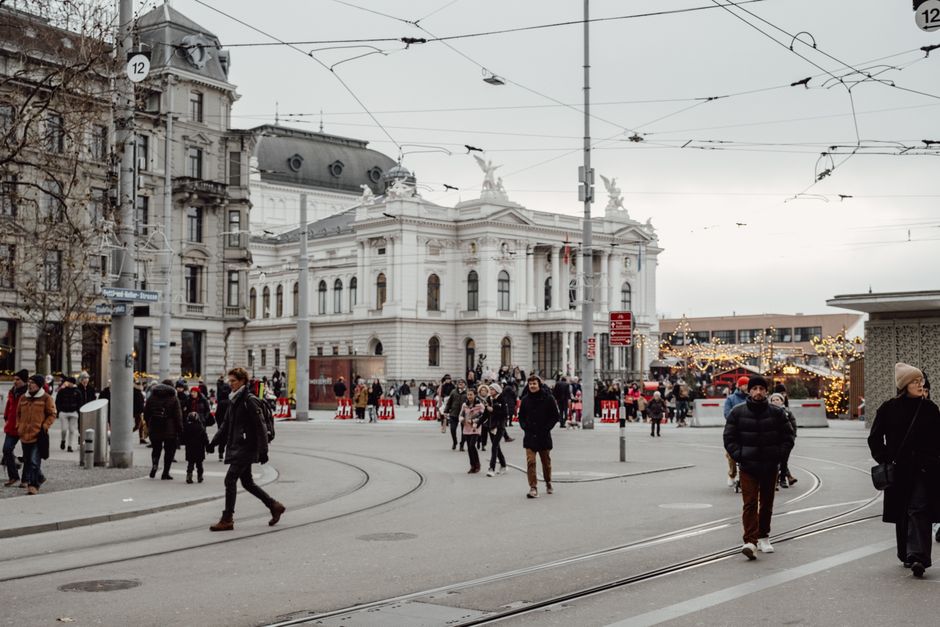
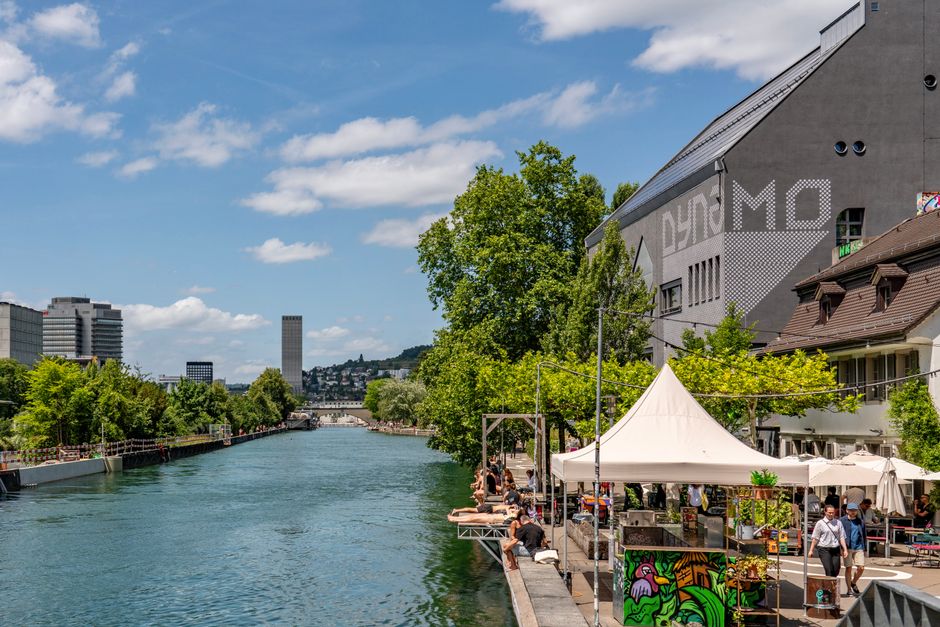
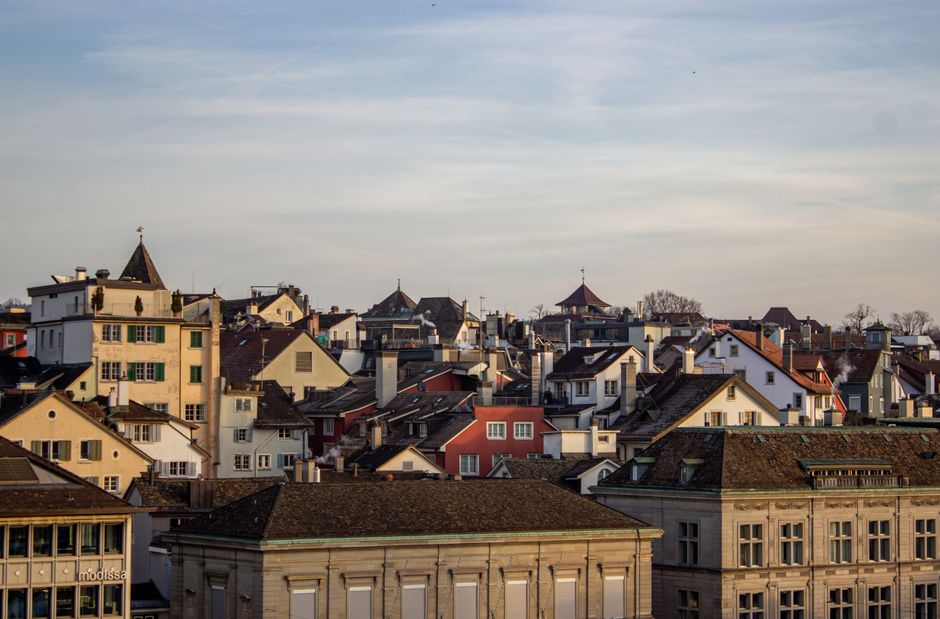
The transformation of Zurich West—once a gritty cluster of factories and warehouses along the Limmat—into a thriving innovation quarter is no longer a prospect. It's happening now, and a select group of property owners, established accelerators, and early-stage investors are positioning themselves to capture the lion's share of the opportunity.
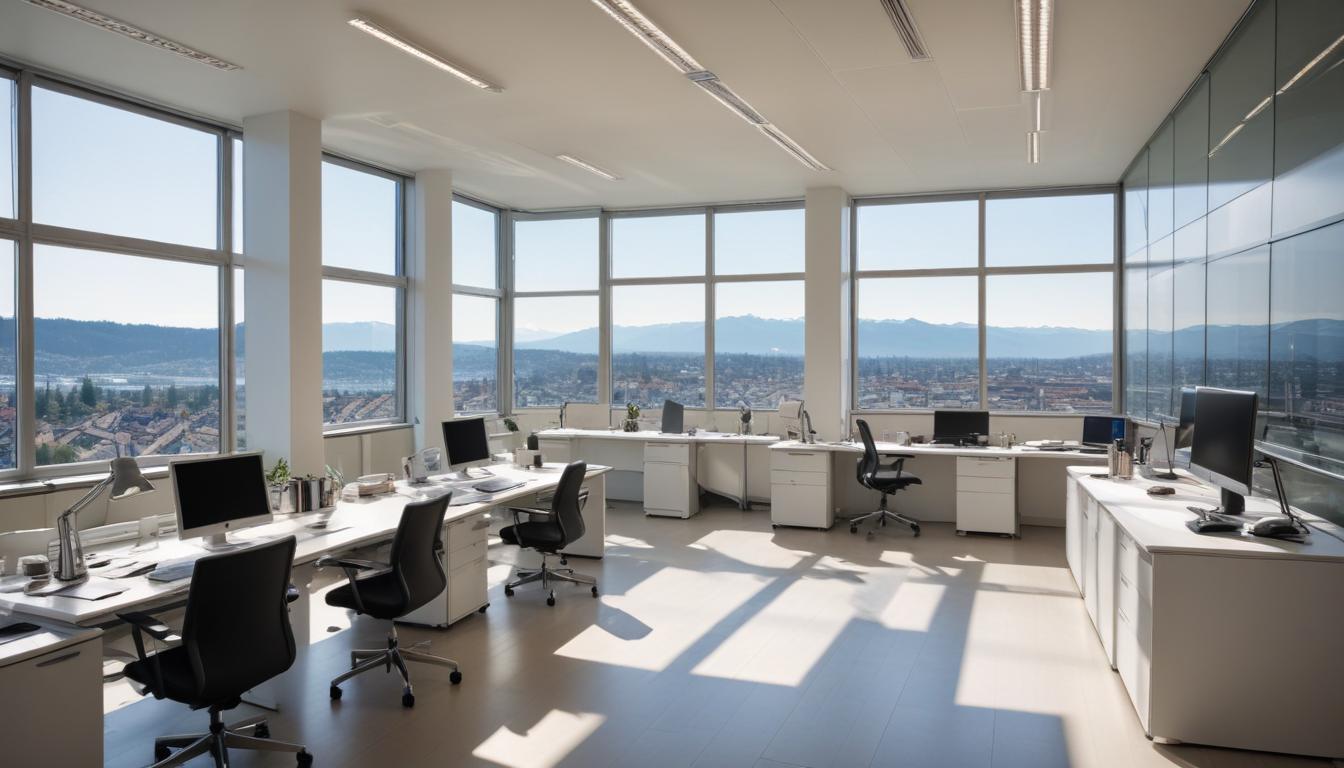
Over the past three years, commercial rents in the district bounded by Hardstrasse and Geroldstrasse have climbed roughly 22 per cent, according to local property consultants. While still significantly cheaper than Zurich's prime CBD locations—where Class A office space commands CHF 1,100 per square metre annually—the West End's trajectory is unmistakable. Tech firms, design agencies, and software developers are abandoning expensive central addresses for the industrial-chic workspace and collaborative communities the district now offers.
The beneficiaries are already visible. Technopark Zurich, the region's largest business incubator, has expanded its footprint on Technoparkstrasse and reports a 34 per cent increase in tenant inquiries since 2024. Established venture studios like Wingman and Plug & Play have opened satellite offices in converted loft spaces, capitalizing on lower overheads and proximity to a growing cluster of complementary businesses. Property developers such as Metrohm and local family offices have quietly acquired several aging industrial properties—betting on zoning changes that now allow residential mixed-use development alongside innovation spaces.
For founders and early-stage teams, the timing remains favourable. A 150-square-metre startup office here costs roughly CHF 3,500 monthly, a 40 per cent discount compared to equivalent space in Wiedikon or the Europaplatz corridor. Shared workspaces and community hubs along Geroldstrasse—particularly around the new SZU (Startup Zone Urban) facility opened last autumn—have become genuine networking epicentres, not merely desk-rental operations.
Yet the window for entry-level pricing is closing. Municipal planners have signalled further rezoning around Werdstrasse to permit more residential density, a move that will inevitably attract larger tech companies and international venture capital. Real estate investors who acquired land here four years ago are now sitting on appreciating assets. Landlords holding longer leases face pressure to renegotiate upwards.
For Zurich's broader startup ecosystem, the West End's maturation addresses a chronic pain point: the absence of affordable, community-driven space between early incubation and Series A expansion. For those already embedded—whether as property holders, established accelerators, or well-funded first movers—the emerging opportunity represents a structural advantage that newer entrants will increasingly struggle to match.
This article was compiled by AI from the sources linked above and screened before publishing. See our editorial standards.