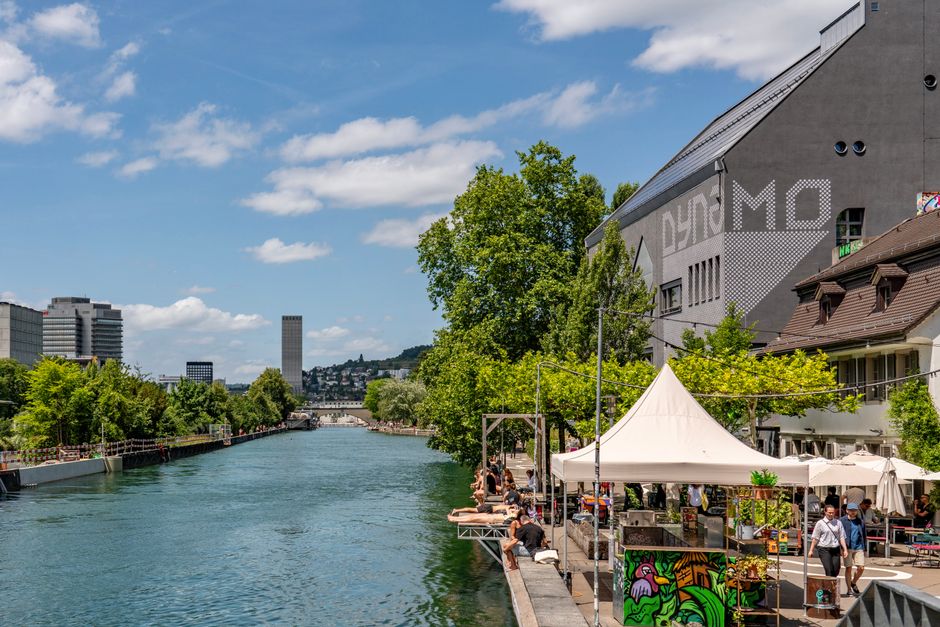
Walk through Zurich's Aussersihl district on a Tuesday morning, and you'll notice something that would have seemed unlikely five years ago: independent wellness shops and micro-clinics are proliferating where traditional retail once dominated. This shift reflects a broader opportunity that savvy entrepreneurs are already capitalizing on.
The trigger is straightforward. With roughly 60% of Zurich's workforce now operating on hybrid schedules—according to a recent UBS survey—neighbourhood foot traffic has fundamentally changed. Office parks near Wiedikon still empty out at 5 p.m., but local high streets have become destinations throughout the day. Parents working from home visit gyms mid-morning. Freelancers book wellness appointments between calls. The market opportunity? An estimated CHF 180 million annual spend in preventative health services within the metropolitan area remains underserved by large chains.
Already, entrepreneurs are building businesses around this. A consulting group operating from Kreis 4 reports that wellness-focused micro-retailers—physiotherapy clinics, nutrition counselling services, and mental health coaching hubs—opened at three times the pre-pandemic rate in 2025. Rental costs on Langstrasse and around the Helvetiaplatz area remain accessible compared to Bahnhofstrasse, typically ranging from CHF 2,500 to CHF 4,500 per month for compact storefronts, making the barrier to entry surprisingly low.
One category showing particular momentum is neighbourhood-based preventative health. Zurich's aging demographic and high healthcare costs have created demand for accessible wellness services beyond traditional medical channels. Practitioners offering services like corporate stress management, ergonomic consultancy, and nutrition planning are finding consistent clientele among locally-based remote workers.
What distinguishes successful newcomers isn't revolutionary. It's proximity, convenience, and community focus. A physiotherapy practice in Wiedikon reports booking rates 40% higher than comparable clinics in peripheral areas, primarily because clients can walk there during a work-from-home day. Digital marketing—leveraging neighbourhood WhatsApp groups and local Instagram communities—has proven far more effective than traditional advertising.
The window appears open, but timing matters. Commercial rents are beginning to climb as investors recognize the trend. Early movers who secured leases in secondary high streets like Badenerstrasse and around Altstetten now enjoy significantly lower carrying costs than newcomers to hotter areas.
For entrepreneurs willing to serve local needs without oversizing their ambitions, Zurich's neighbourhood wellness boom represents a genuine opportunity—one already being seized by those who recognized the shift first.
This article was compiled by AI from the sources linked above and screened before publishing. See our editorial standards.