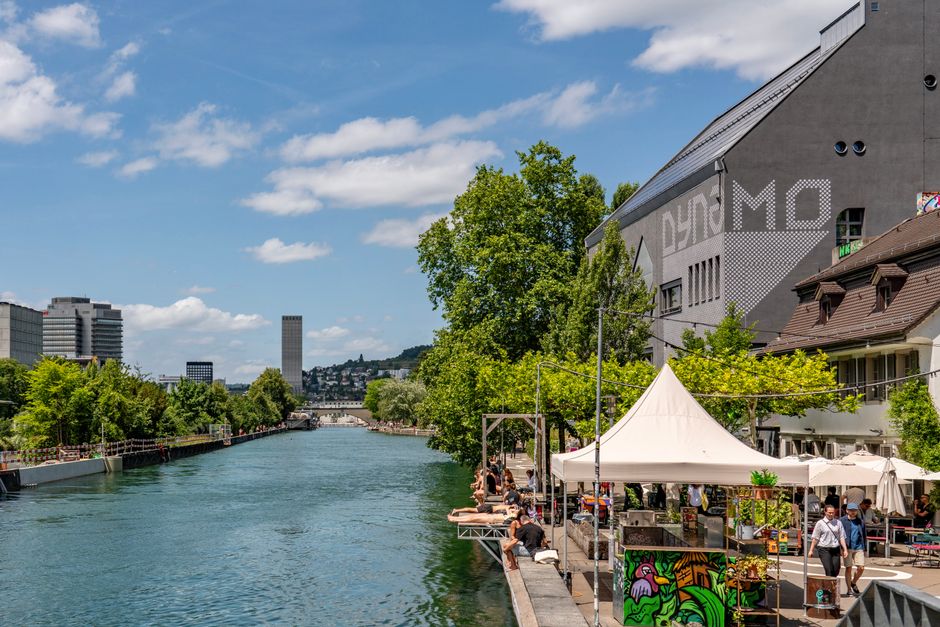
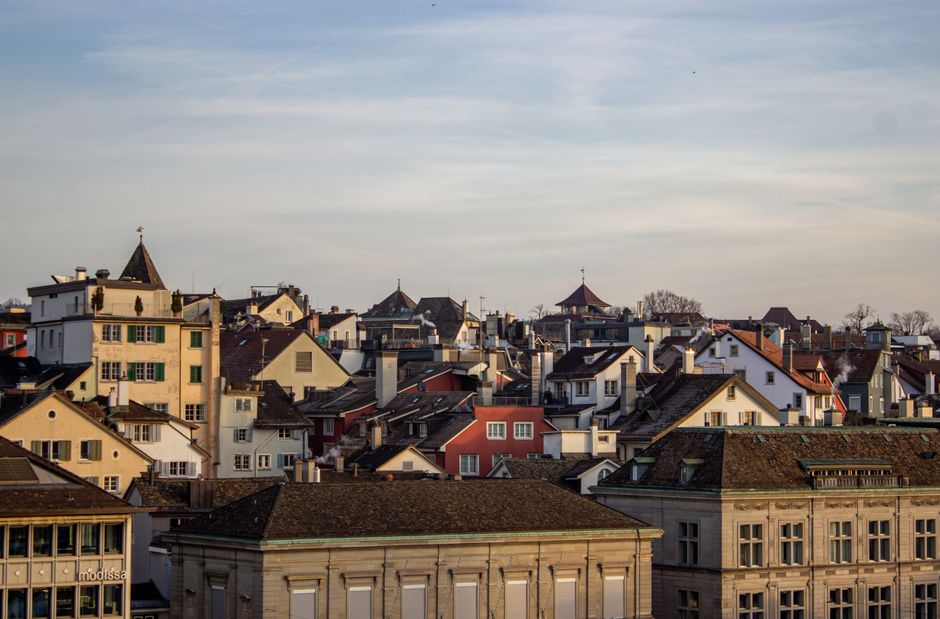
The transformation is unmistakable on the streets around Europaplatz and the Zurich West quarter. Gleaming office conversions, co-working spaces packed with developers, and a visible influx of young professionals from across Europe have redefined Zurich's employment landscape in just three years. What began as a natural extension of Switzerland's fintech dominance has evolved into something far broader: a genuine startup ecosystem that is reshaping how the city attracts, retains, and compensates talent.
The numbers tell a compelling story. According to the Zurich Chamber of Commerce's latest report, early-stage tech companies in the metropolitan area grew by 34 percent between 2023 and 2026. More strikingly, average salaries for software engineers in established innovation districts have climbed 18 percent since 2024—outpacing traditional corporate salary growth by a significant margin. A mid-level developer who might have commanded 140,000 francs annually in a legacy bank now finds competing offers from startups in the 165,000 to 185,000 franc range, plus equity packages that appeal to entrepreneurial ambitions.
The knock-on effects are rippling across the wider job market. Major employers—from pharmaceutical giants with headquarters in the Pharma Quarter to financial institutions clustered along the Bahnhofstrasse—report increased difficulty filling specialized roles. HR departments at some of Zurich's largest firms report that poaching incidents have risen 28 percent year-on-year, with startup founders openly recruiting at university career fairs and industry conferences.
What distinguishes Zurich's current boom from previous cycles is its geographic and sectoral breadth. Beyond the obvious strongholds of Europaplatz and Wiedikon, emerging clusters have materialized around Schlieren and even in redeveloped industrial zones near Altstetten. Machine learning, climate tech, and biotech startups are drawing talent as eagerly as traditional software firms, fragmenting the talent pool in ways established employers are struggling to navigate.
Real estate costs—already eye-watering—are climbing further. Office space in central innovation hotspots now commands 800 to 950 francs per square meter annually, pricing out smaller ventures but attracting venture capital eager to place bets in Switzerland's most dynamic quarter. Residential property near Europaplatz has seen corresponding upward pressure, with young professionals increasingly priced toward satellite neighborhoods like Schlieren and Wollishofen.
Industry observers suggest the shift reflects a broader recalibration of Zurich's economic identity. The city's traditional strengths in banking and insurance remain formidable, yet the emergence of a genuine innovation economy—complete with its own reward structures and career trajectories—has splintered the once-unified talent marketplace. For job seekers and employers alike, adaptation has become not merely advantageous but essential.
This article was compiled by AI from the sources linked above and screened before publishing. See our editorial standards.