From Zurich's Altstadt to Shanghai: How One Tech Entrepreneur is Redefining Cross-Border Trade
Sophia Keller's fintech startup is helping Swiss SMEs navigate Asia's most volatile markets—and it's working.
Sophia Keller's fintech startup is helping Swiss SMEs navigate Asia's most volatile markets—and it's working.
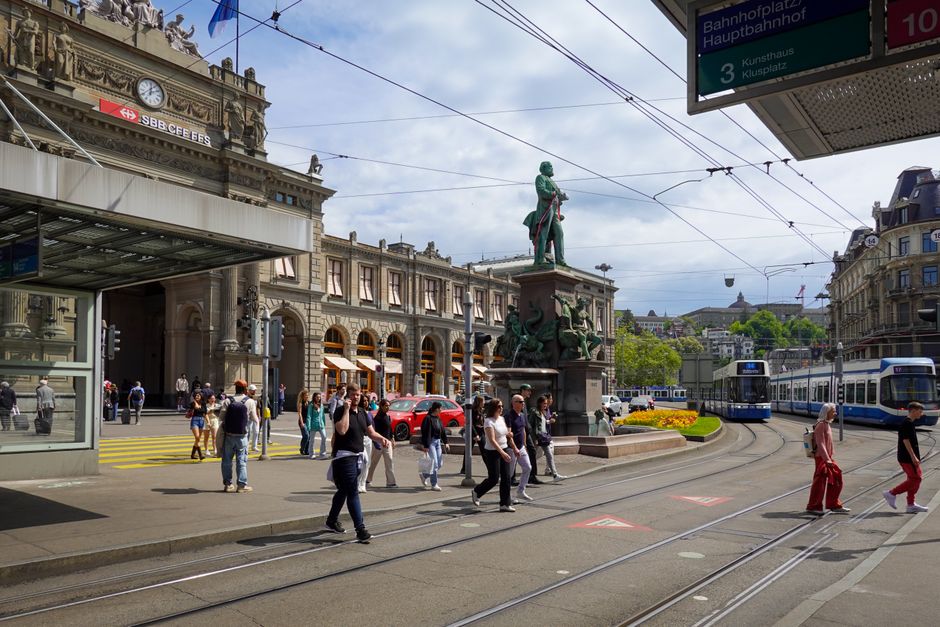
In a nondescript office building on Rämistrasse, just steps from the University of Zurich, Sophia Keller is quietly reshaping how Swiss businesses trade internationally. Her company, CrossBridge Technologies, has grown from a three-person operation in 2022 to a firm now managing over 340 million francs in annual cross-border transactions between Switzerland and Asia-Pacific markets.
The challenge Keller identified was simple but critical: Swiss mid-market manufacturers and exporters were losing 2–4 per cent of their margins annually to currency fluctuations, hidden fees, and regulatory delays when conducting business in emerging markets. "I watched my father's textile export business hemorrhage money through inefficient banking channels," Keller explains. "There had to be a better way."
Her solution combines blockchain verification with AI-driven compliance protocols, allowing companies to execute transactions in Chinese yuan, Indian rupees, or Vietnamese dong within hours rather than weeks. The platform charges a flat 0.3 per cent transaction fee—dramatically lower than traditional banking corridors.
The results have been striking. Since launching her platform's public beta last September, Keller has attracted 156 Swiss exporters ranging from precision engineering firms in the Glatttal to pharmaceutical suppliers based in Zollikerberg. A recent audit by the Chamber of Zurich Commerce found that participating firms reduced payment settlement times by an average of 68 per cent while cutting transaction costs by half.
What sets CrossBridge apart in Zurich's crowded fintech landscape is its deep understanding of the physical realities of trade. Unlike purely algorithmic competitors, Keller's team maintains partnerships with local banking networks in Shanghai, Ho Chi Minh City, and Mumbai. "You can't optimise what you don't understand locally," she says.
The growth hasn't gone unnoticed. In April, the firm secured 12 million francs in Series A funding from established venture firms and the Swiss-based Rahn+Bodmer investment fund. This capital will fuel expansion into Southeast Asia and the Middle East through 2027.
For Zurich's traditional banking establishment, Keller's rise represents both a warning and an opportunity. While her startup challenges legacy systems, it also demonstrates the city's enduring appeal as a launchpad for businesses solving real international problems. With geopolitical tensions reshaping trade flows and currency volatility becoming the norm, platforms like CrossBridge may prove essential infrastructure for Switzerland's export economy.
As Keller settles into her expanded headquarters on Limmatquai next month, one thing is clear: the future of Swiss global trade won't be written in marble banking halls, but in lean, agile tech spaces where entrepreneurs dare to question how things have always been done.
This article was compiled by AI from the sources linked above and screened before publishing. See our editorial standards.
How does this story make you feel?
Spread the word
About this article
Published by The Daily Zurich
Daily brief
Free, in your inbox before 7am. Weekdays.
More in Business