Squeezed from All Sides: How Zurich's Small Business Owners are Fighting to Survive 2026
Rising rents, persistent inflation, and shifting consumer behaviour are forcing entrepreneurs across the city to make painful decisions about their futures.
Rising rents, persistent inflation, and shifting consumer behaviour are forcing entrepreneurs across the city to make painful decisions about their futures.
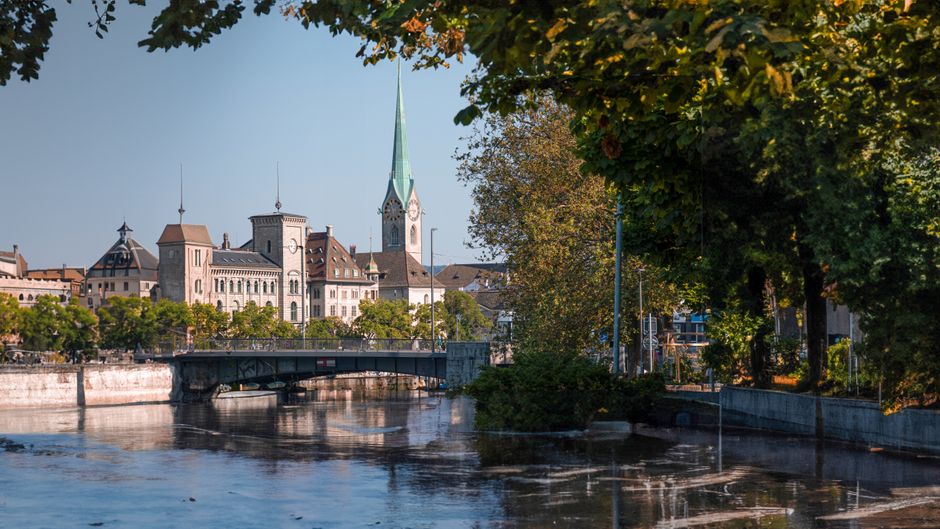
In a gleaming office above the boutiques of Bahnhofstrasse, Rita Keller spreads out her spreadsheets with the weariness of someone who has spent months watching numbers move in the wrong direction. Her artisanal coffee roastery, which opened in Wiedikon three years ago with considerable optimism, is now facing its most precarious quarter yet.
"My rent increased 12 percent in April," she says, gesturing to the lease agreement. "At the same time, my suppliers raised prices again. My margins have simply evaporated."
Keller's predicament is far from isolated. According to recent data from the Zurich Chamber of Commerce, small and medium-sized enterprises across the city are reporting declining profitability, with nearly 68 percent citing rising operational costs as their primary concern. Commercial rents in prime locations like Kreis 1 and along Limmatquai have climbed beyond CHF 450 per square metre annually—a 15 percent increase over two years—forcing many business owners to either relocate to less visible neighbourhoods or abandon their ventures entirely.
The challenges extend beyond real estate. Persistent inflationary pressures continue to erode purchasing power, even as the Swiss National Bank maintains cautious monetary policy. Consumer spending patterns have also shifted unpredictably in the post-pandemic environment. Traditional retail has been particularly battered; several independent bookshops and fashion boutiques have quietly shuttered along Augustinergasse and in the Europaallee neighbourhood this spring.
Labour costs present another grinding headwind. Finding skilled staff willing to accept the wages smaller firms can afford has become nearly impossible in Switzerland's competitive employment market. One restaurateur in Altstetten remarked privately that his kitchen crew turnover had tripled in eighteen months.
Some entrepreneurs are adapting. The Zurich-based association "Kleine und Mittlere" has reported increased membership inquiries from businesses seeking shared workspace solutions and collective purchasing agreements. A handful of ventures are experimenting with online-only models or pop-up formats to reduce fixed costs.
Yet the overall sentiment remains cautious. The Business Confidence Index for Zurich's SME sector dipped to 48 points last quarter—the lowest reading since 2020. For owners like Keller, the question is no longer about growth, but sustainability.
"I came into this business because I believed in the product and the community," she says. "But belief doesn't pay the landlord."
This article was compiled by AI from the sources linked above and screened before publishing. See our editorial standards.
How does this story make you feel?
Spread the word
About this article
Published by The Daily Zurich
Daily brief
Free, in your inbox before 7am. Weekdays.
More in Business