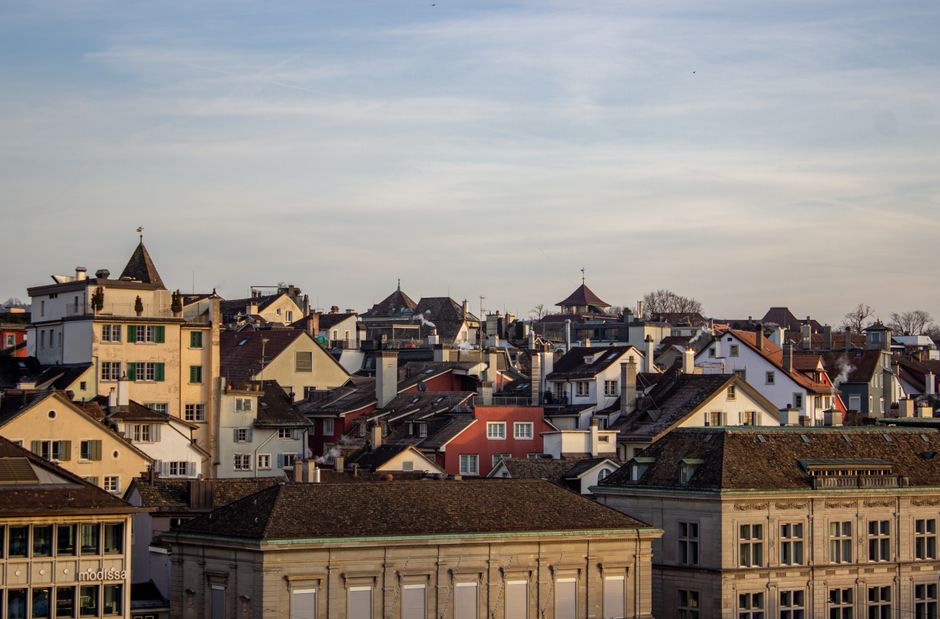
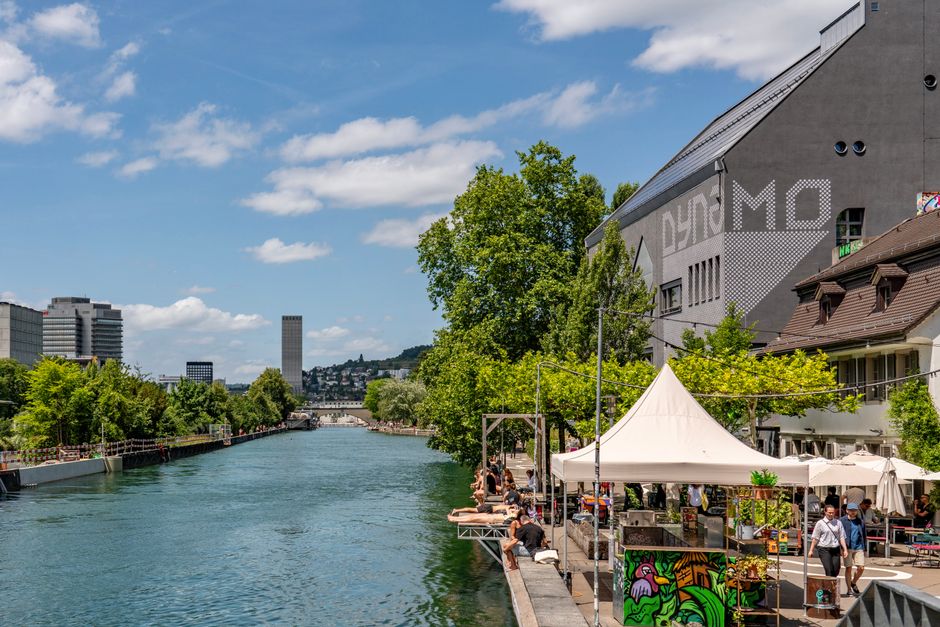
The transformation is visible in real time. Where industrial warehouses once lined the Wiedikon waterfront, gleaming co-working spaces now host 200-person engineering teams. Along Europaallee in the Zürich-West district, property values have jumped 35 percent in three years as venture-backed startups cluster near the renovated SBB workshops. The shift is unmistakable: Zurich's innovation ecosystem is no longer a side story to banking and insurance. It's reshaping how the entire city recruits, retains, and compensates talent.
The numbers tell part of the story. According to research from the Zurich Chamber of Commerce, startup employment in the greater metropolitan area has grown at 18 percent annually since 2022—roughly four times faster than traditional corporate hiring. Yet this expansion masks deeper labour-market upheaval. Entry-level salaries at Series B and C companies now range from 85,000 to 110,000 Swiss francs, undercutting established banks and pharma firms by 15 to 20 percent. Paradoxically, mid-to-senior technical roles command premiums: a senior machine-learning engineer or fintech architect can expect 160,000–200,000 francs, a 12 percent increase from 2024.
The talent exodus is real. Professionals under 35 increasingly view the startup path as a route to equity upside and international visibility that traditional employers struggle to match. Recruitment agencies in the Kreis 5 district report a 40 percent rise in placements at early-stage firms since early 2025. Yet the city's established financial institutions are fighting back, offering flexibility programmes and internal innovation labs to retain junior staff.
Geography matters too. While the right bank's CBD remains dominated by legacy finance, the left bank—particularly around Altstetten and the emerging Gleis D cluster near Hardbrücke—has become a magnet for founders and engineers. Rental prices for office space in these zones have climbed to 650–800 francs per square metre annually, a sharp premium over suburban alternatives, yet still a fraction of Manhattan or San Francisco costs. This arbitrage attracts both Swiss entrepreneurs and diaspora talent returning from Berlin and London.
The pressure extends to education. ETH Zurich and the University of Zurich report record numbers of students seeking dual focus in entrepreneurship alongside technical training. Coding bootcamps have proliferated across Zurich's districts, signalling a shift in how the workforce develops skills.
By 2027, forecasters predict the startup sector will account for one in twelve jobs in the metropolitan area—still modest relative to finance, but enough to redefine career trajectories and push established players to innovate their talent strategies. Zurich's innovation wave isn't displacing the old guard. It's forcing everyone to compete harder.
This article was compiled by AI from the sources linked above and screened before publishing. See our editorial standards.