Zurich cost of living crisis forcing talent exodus
Zurich's soaring housing costs and living expenses are driving mid-career professionals out of the city. See how the affordability crisis is reshaping talent markets and sector competitiveness.
Zurich's soaring housing costs and living expenses are driving mid-career professionals out of the city. See how the affordability crisis is reshaping talent markets and sector competitiveness.
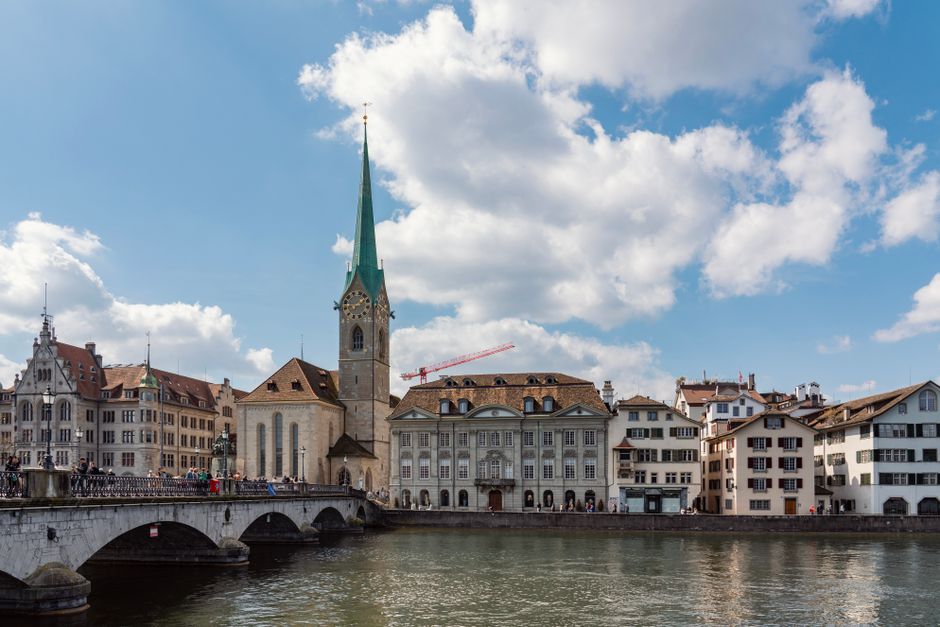
Walk along Bahnhofstrasse or grab lunch near Paradeplatz, and you'll notice the conversation among Zurich's financial professionals has shifted markedly. It's no longer just about bonuses or career advancement—it's about affording rent in Wiedikon or Altstetten.
New data from recruitment specialists and HR consultancies across the city reveals a troubling pattern: Zurich's cost-of-living crisis is fundamentally reshaping the talent market. A one-bedroom apartment in prime Zurich 8 now averages 2,850 CHF monthly; even in outer districts like Hongg or Schwamendingen, expect 2,200 CHF. For mid-career professionals earning 140,000–180,000 CHF annually, housing alone devours 20–25% of gross income—well above sustainable levels.
The consequence is stark: mid-tier talent is leaving. Tech companies, legal firms, and consulting houses based in the Europaallee corridor and around Hauptbahnhof report elevated attrition rates, particularly among employees aged 28–38. They're relocating to Basel, Bern, or Lausanne, where comparable salaries stretch further. One prominent fintech recruiter noted that candidates now frequently ask about relocation packages before discussing role specifics—a near-reversal of hiring dynamics from five years ago.
The squeeze is particularly acute for roles that don't command premium compensation. Administrative, junior compliance, and entry-level finance positions—traditionally filled by younger talent—are increasingly hard to staff. Some organisations in the Europaplatz area have begun offering allowances or flexible remote-work arrangements to offset the disparity, yet retention remains challenging.
Where the impact cuts deepest is among Zurich's service sectors and medium-sized enterprises. Restaurants, hospitality venues, and small professional services firms struggle to compete for talent when a barista or office administrator faces rental arrears. This is forcing a two-tier labour market: high-margin, premium-paying sectors attract global talent; lower-margin sectors face chronic shortages.
Some bright spots exist. Firms offering genuine flexible working, equity stakes, or relocation support are holding their ground. Conversely, companies tethered to Zurich's prime office addresses—particularly in Zürichberg or near the lake—face mounting pressure to innovate compensation strategies.
For Zurich's long-term competitiveness, the implications are serious. The city's strength has always been its ability to attract world-class talent. If living costs continue unchecked, that magnetic pull weakens. Policymakers and business leaders increasingly acknowledge this. Whether housing policy, tax incentives, or corporate innovation can reverse the trend remains the defining economic question facing the city.
This article was compiled by AI from the sources linked above and screened before publishing. See our editorial standards.
How does this story make you feel?
Spread the word
About this article
Published by The Daily Zurich
Daily brief
Free, in your inbox before 7am. Weekdays.
More in Business