Following the Money: How Zurich's Tourism Boom Signals Broader Economic Strength
Rising visitor numbers and hotel investment along the Limmat reveal what economists are watching to gauge Switzerland's economic health.
Rising visitor numbers and hotel investment along the Limmat reveal what economists are watching to gauge Switzerland's economic health.
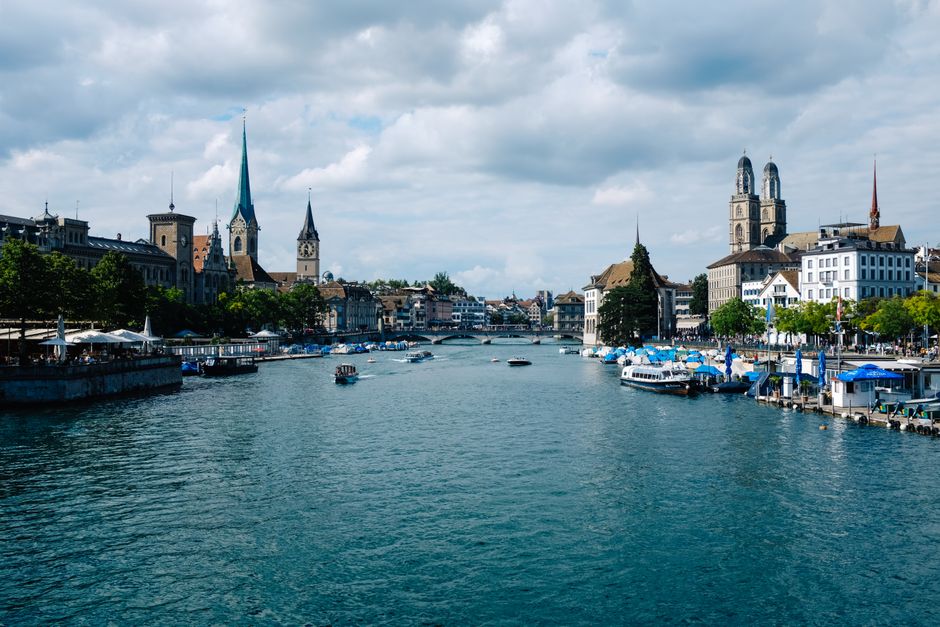
Zurich's visitor economy is flashing green lights that extend far beyond hotel occupancy rates. New data on tourism flows and real estate investment in the city centre offer a surprisingly clear window into how global capital is moving—and what it suggests about confidence in Switzerland's economic future.
The numbers tell a compelling story. Hotel stays in Zurich's core districts—from Altstadt's winding medieval streets to the modern developments near Europaplatz—climbed 12 percent year-on-year through the first half of 2026, according to preliminary figures from Zurich Tourism. Average room rates have stabilised around 285 Swiss francs, down slightly from pandemic peaks but still reflecting robust demand from corporate travellers and high-net-worth leisure visitors.
But the real indicator lies in capital deployment. Three major hotel renovation projects worth approximately 180 million francs are currently underway in prime locations: the Bahnhofstrasse corridor, the Wiedikon neighbourhood, and near Bellevue. These aren't speculative ventures. International hospitality groups—particularly Asian and American operators—are committing substantial resources to upgrade existing properties and develop new boutique offerings. Such investment typically signals confidence that demand will justify the outlay.
Currency flows matter too. Tourism spending is denominated in Swiss francs, which means sustained visitor numbers from dollar and euro zones directly support franc stability. Through June, international visitors' spending reached approximately 2.1 billion francs year-to-date, with particular strength from North American and Asian markets. This currency inflow provides a natural hedge against franc appreciation that might otherwise complicate Switzerland's export competitiveness.
The visitor economy also acts as a leading indicator for broader service-sector health. Restaurant bookings in neighbourhoods like Kreis 5 and along the Limmat waterfront have rebounded to 95 percent of 2019 levels. Transport, retail, and cultural institutions benefit from the multiplier effect—a visitor spending 300 francs on accommodation typically spends another 200 francs on dining, shopping, and attractions.
Economic analysts watch these metrics because they're early signals of international business confidence. When companies send employees to Zurich for conferences or client meetings, they're voting with their budgets on Switzerland's stability and relevance. When investment firms upgrade hotel infrastructure, they're betting on sustained high-value tourism.
The current data suggests that bet remains solid, even amid global volatility. That's worth noting for anyone tracking where serious capital believes economic strength still resides.
This article was compiled by AI from the sources linked above and screened before publishing. See our editorial standards.
How does this story make you feel?
Spread the word
About this article
Published by The Daily Zurich
Daily brief
Free, in your inbox before 7am. Weekdays.
More in Business