Zurich's Tourism Market Shifts: What Hospitality ...
As global instability reshapes travel patterns, Zurich's visitor economy is experiencing unexpected growth—but operators face margin pressures and shifting customer priorities.
As global instability reshapes travel patterns, Zurich's visitor economy is experiencing unexpected growth—but operators face margin pressures and shifting customer priorities.
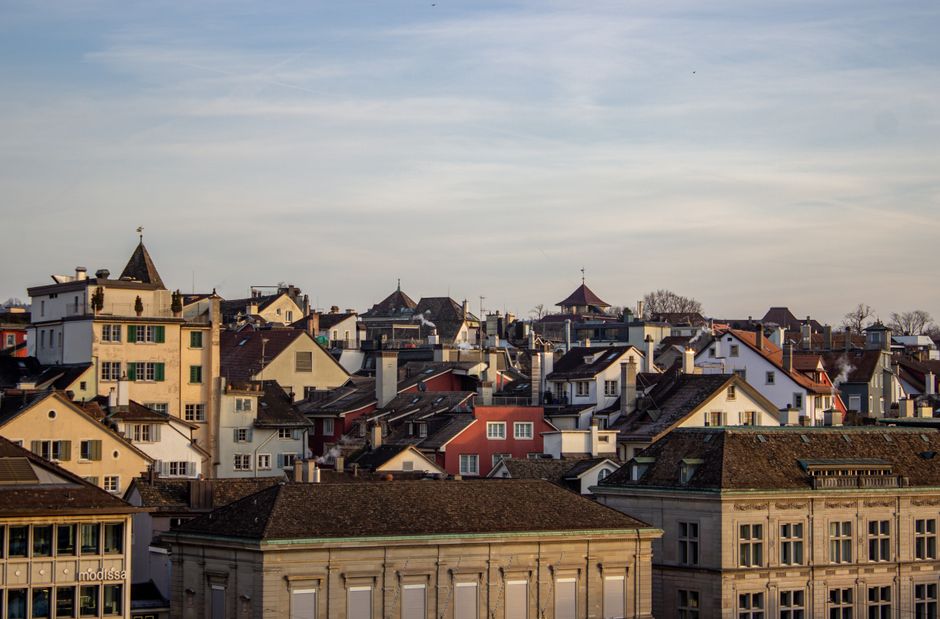
Zurich's tourism sector is experiencing a paradox. While geopolitical tensions worldwide are dampening international travel, Switzerland's reputation as a stable, neutral haven is drawing visitors at rates that surprised even optimistic forecasters. For hospitality operators along the Bahnhofstrasse and throughout the Altstadt, understanding these emerging market dynamics is crucial to capitalizing on current demand while managing new operational challenges.
Recent booking data from Zurich Tourism shows a 12% year-on-year increase in arrivals through May 2026, with particular strength from North American and Asian visitors seeking perceived safety and political stability. However, this growth masks a troubling trend: average spending per visitor has declined by roughly 8% compared to the same period last year, suggesting guests are more price-conscious despite elevated accommodation costs.
Hotel operators report that occupancy rates in the four and five-star segments remain robust—averaging 78% across properties near Bahnhofplatz and along Limmatquai—yet nightly rates have stagnated. A premium room at a Zurich luxury hotel averages 380-420 CHF, unchanged from 2024. Meanwhile, boutique properties in the Wiedikon and Aussersihl districts are capturing growing market share by offering curated experiences at moderate price points, typically 180-240 CHF per night.
The shift demands strategic recalibration. Restaurants and cultural venues report sustained interest, but visitor compositions are changing. Extended stays from remote workers and business travelers seeking temporary relocation now account for nearly 28% of accommodation bookings—a significant increase from 16% two years ago. This segment prioritizes proximity to co-working spaces and reliable connectivity over traditional tourist amenities.
Food and beverage operators around Niederdorf and near the Kunsthaus are adapting menus to accommodate dietary preferences driven by visitors from regions experiencing food insecurity concerns. Simultaneously, luxury retail along Bahnhofstrasse faces shifting clientele: fewer ultra-high-net-worth leisure shoppers, more middle-to-upper-income visitors stretched across longer stays.
For tourism businesses, the immediate implication is clear: volume growth cannot offset margin compression through traditional pricing. Success requires operational efficiency, enhanced digital marketing targeting longer-stay demographics, and strategic bundling of experiences across hospitality, dining, and cultural sectors. The Zurich Convention Bureau notes that conference and events tourism—less volatile than leisure travel—offers stability, with bookings through 2027 up 15% compared to historical averages.
The current environment rewards businesses willing to innovate their customer value proposition rather than simply manage existing portfolios.
This article was compiled by AI from the sources linked above and screened before publishing. See our editorial standards.
How does this story make you feel?
Spread the word
About this article
Published by The Daily Zurich
Daily brief
Free, in your inbox before 7am. Weekdays.
More in Business