Zurich's hospitality sector is experiencing a peculiar moment. While global economic headwinds persist, the city's restaurant and hotel investment landscape tells a story of selective optimism—one that reveals much about how capital allocates risk in 2026.
The numbers are instructive. According to HotellerieSuisse data released this month, occupancy rates across Zurich's four- and five-star properties averaged 74 per cent in the first half of 2026, compared to 68 per cent during the same period last year. Yet average room rates have climbed only 2.3 per cent annually—a modest figure that masks deeper structural shifts. What's driving investment, then, isn't rate expansion but operational efficiency and location strategy.
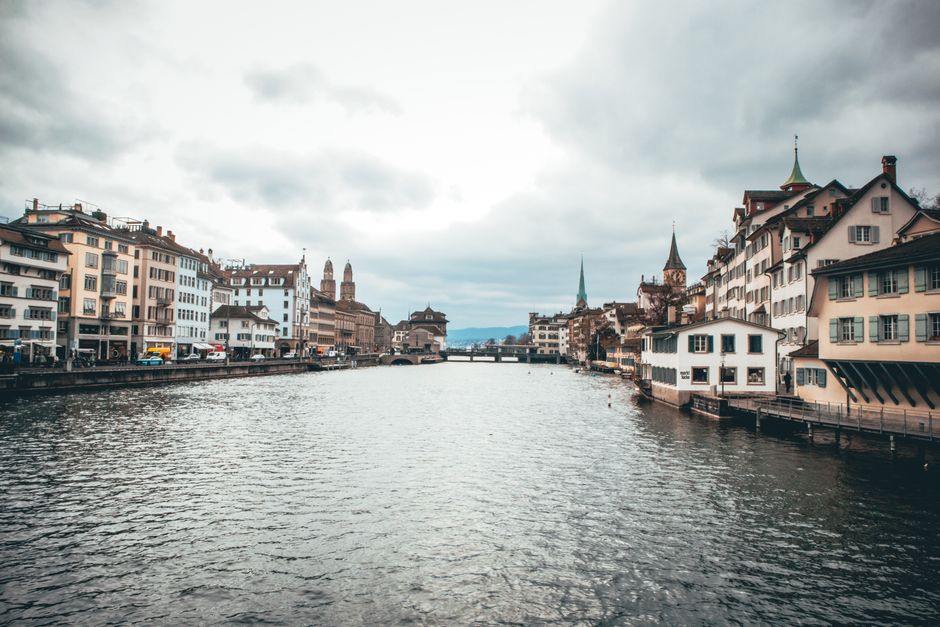
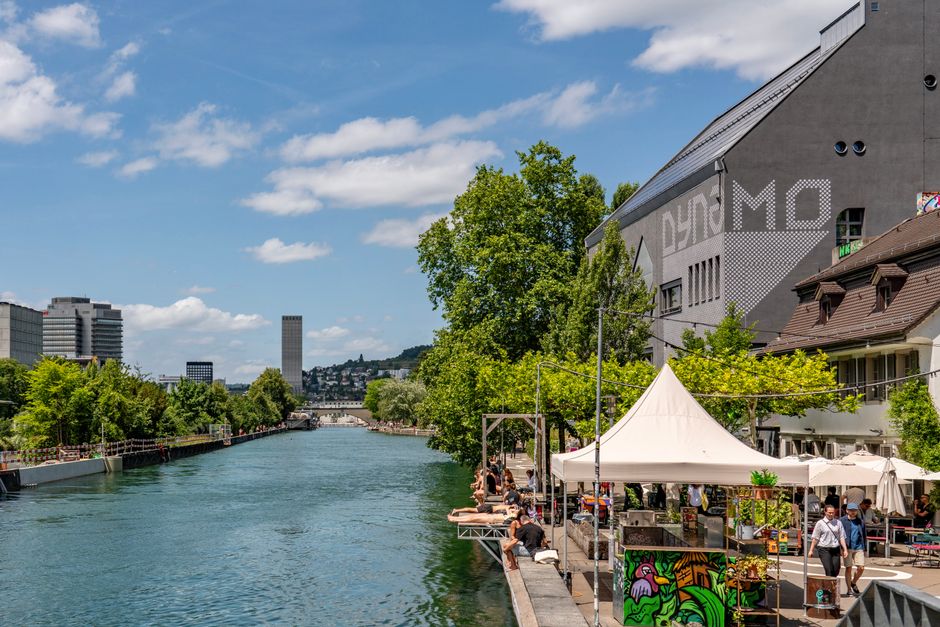
Walk along Bahnhofstrasse or into the Europaallee district, and you'll observe the pattern firsthand. Two major hospitality groups have committed substantial capital to the renovated warehouse spaces near the Limmat, targeting the "social dining" segment—restaurants emphasising communal tables and transparency in sourcing. Investment in this category has nearly doubled since 2024, signalling investor confidence in experiences over traditional fine dining.
The independent café sector presents another telling indicator. Labour costs in Zurich have risen approximately 4.2 per cent annually for hospitality staff, yet independent operators in neighbourhoods like Kreis 4 and 5 are expanding. This apparent contradiction reflects a deeper truth: investors are backing operators who can command premium pricing through differentiation. A specialty coffee operation in Wiedikon can charge CHF 6.50 for a cappuccino; a conventional café in the same neighbourhood commands CHF 4.80. Investor capital increasingly follows the former model.
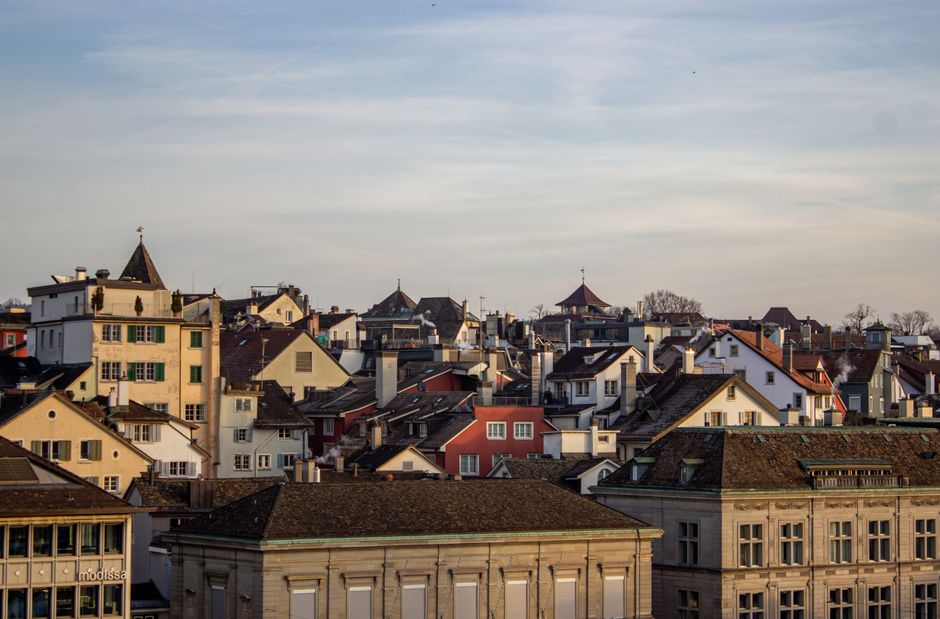
Commercial real estate brokers report that hospitality tenants are now competing aggressively for spaces in secondary locations—Altstetten, Schlieren, even Dietikon—rather than premium central zones. Average rents for restaurant premises have stabilised at CHF 450–550 per square metre annually, down from peaks of CHF 650 in 2023. This reallocation of capital suggests investors believe growth lies in neighbourhood hospitality, not tourist-facing establishments.
Hotel construction activity paints a similar picture. The 180-room property announced for Europaallee will prioritise 45 per cent of rooms as "extended-stay" units—a structural hedge against seasonal volatility. Similarly, several boutique operators are developing mixed-use models, integrating residential, office, and hospitality under single management to diversify revenue streams.
For investors monitoring Zurich's hospitality sector, the message is clear: capital flows toward operators demonstrating pricing power, operational discipline, and geographical flexibility. The old model—premium location, conventional offering, steady returns—no longer attracts the same investor appetite.
This article was compiled by AI from the sources linked above and screened before publishing. See our editorial standards.