Zurich's Trade Lifeline Tightens as Global Instability Reshapes Business on Bahnhofstrasse
From mining deals to Middle East tensions, Zurich's export-dependent firms face mounting pressure as geopolitical shocks ripple through the financial hub.
From mining deals to Middle East tensions, Zurich's export-dependent firms face mounting pressure as geopolitical shocks ripple through the financial hub.
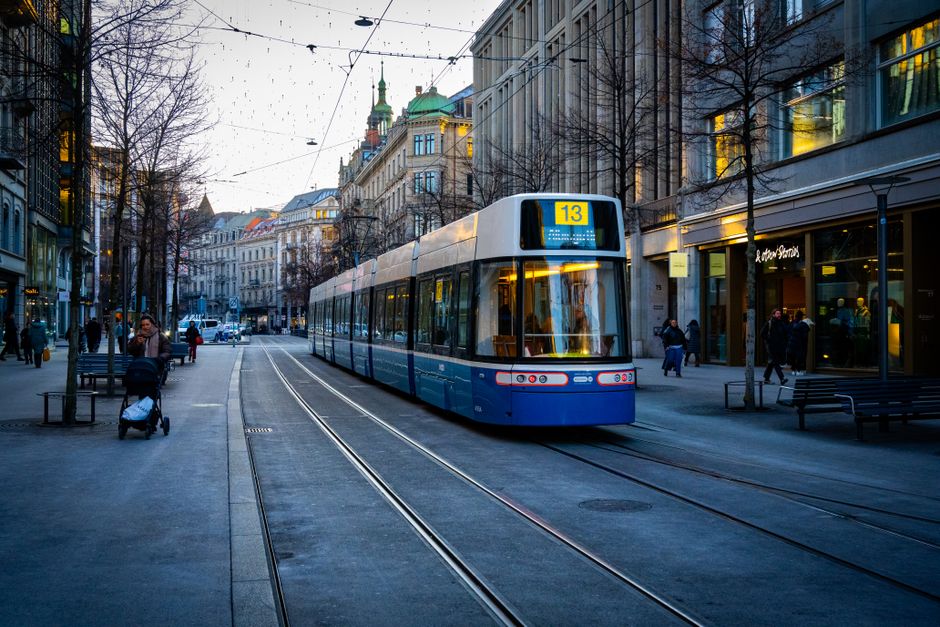
Walking along Bahnhofstrasse on a Monday morning, it's easy to miss the anxiety beneath Zurich's polished surface. While tourists browse luxury boutiques, the city's traders, manufacturers, and financial services firms are navigating an increasingly treacherous global landscape that threatens to upend decades of stable business practices.
The past months have delivered a cascade of shocks: Venezuelan instability disrupting commodity chains, escalating Middle East tensions threatening strait passage, and unpredictable geopolitical manoeuvres by major powers. For a city where roughly 40% of employment depends on international trade, these distant crises translate into immediate boardroom headaches.
"We're seeing real anxiety among our members," says the Zurich Chamber of Commerce, which represents roughly 3,000 businesses across the canton. Small and mid-sized firms in the industrial zones around Glattbrugg and Opfikon—traditionally the backbone of Swiss manufacturing exports—report supply chain disruptions and rising insurance costs for shipments through volatile regions.
The mining sector provides a stark illustration. While major deals continue to attract capital to Zurich's investment banks around the Paradeplatz, the political instability in resource-rich nations complicates long-term commitments. Swiss commodity traders and logistics firms now price geopolitical risk premiums directly into contracts, a cost ultimately borne by clients and consumers.
Pharmaceutical and precision engineering firms—sectors where Switzerland maintains global market share—face particular pressure. A manufacturing facility supplying components for industrial equipment reported a 12% increase in logistics costs over the past eighteen months, partly driven by insurance premiums and rerouting to avoid high-risk zones. "We're not moving production," one executive noted privately, "but we're certainly hedging our bets."
The financial services sector, concentrated in the banking district near Bahnhofstrasse, watches Iran-US negotiations with acute interest. Capital flows, sanctions regimes, and geopolitical risk assessments directly influence investment strategies and currency movements. Zurich's wealth management firms are increasingly required to navigate complex compliance landscapes in volatile markets.
For now, Zurich's reputation as a stable business hub provides insulation. Companies maintain their headquarters here partly because the Swiss political system and legal frameworks offer predictability. But that advantage erodes if global volatility persists. Firms are already diversifying their operations, establishing secondary hubs in less exposed jurisdictions.
The question facing Zurich's business leadership is whether the city can maintain its role as a global financial anchor amid increasingly unpredictable geopolitical currents. That stability—long taken for granted on Bahnhofstrasse—is no longer automatic.
This article was compiled by AI from the sources linked above and screened before publishing. See our editorial standards.
How does this story make you feel?
Spread the word
About this article
Published by The Daily Zurich
Daily brief
Free, in your inbox before 7am. Weekdays.
More in Business