Why Your Grocery Bill and Phone Bill Are About to Change: A Guide for Zurich Residents to Global Trade Tensions
As geopolitical rifts widen and supply chains fracture, everyday consumers in Zurich face hidden costs—here's what you need to know.
As geopolitical rifts widen and supply chains fracture, everyday consumers in Zurich face hidden costs—here's what you need to know.
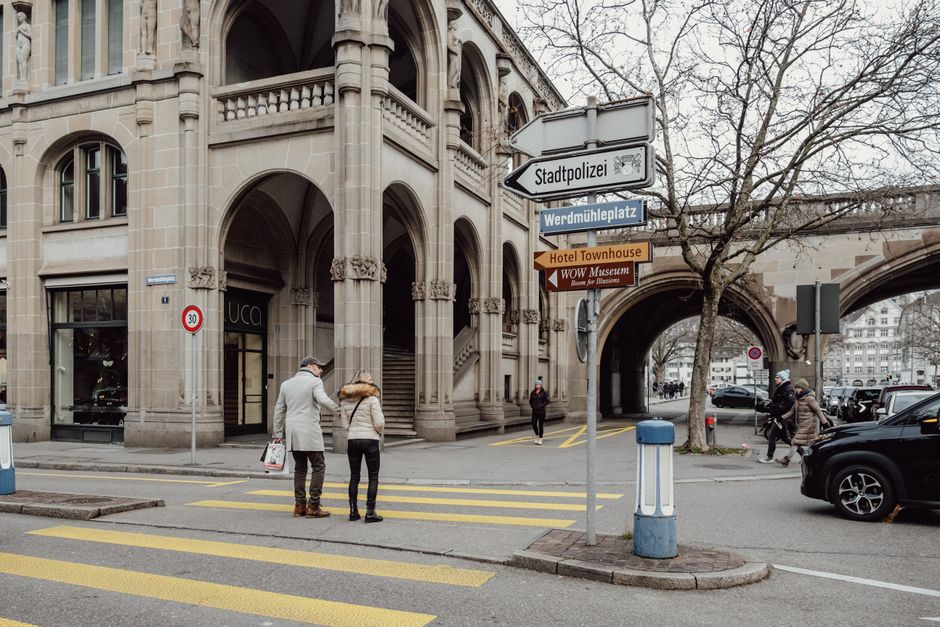
Walk through the Coop on Bahnhofstrasse or pick up groceries at the Migros in Wiedikon, and you're holding the consequences of global trade in your shopping basket. Yet most Zurich residents remain unaware of how distant geopolitical events—trade disputes, shipping route disruptions, and tariff wars—directly affect their weekly expenses and product availability.
The stakes have shifted dramatically in recent months. Tensions spanning from the Middle East to Eastern Europe are disrupting the maritime corridors through which 90 percent of Switzerland's imports travel. A container of South African wine destined for Coop shelves now faces unpredictable routing, adding weeks to delivery and increasing costs by 15-20 percent. Electronics retailers along Limmatquai report component shortages that weren't visible six months ago.
For Zurich residents, this translates into tangible impacts. Coffee prices at local cafés have climbed 8-12 percent since early 2026, driven partly by supply chain volatility in East Africa and political instability affecting port operations. Pharmaceutical manufacturers based in the Zurich-Schlieren biotech corridor increasingly source raw ingredients through backup suppliers, raising production costs. Even fashion retailers in the Europaallee district face inventory delays as Chinese manufacturers navigate new trade restrictions.
The Swiss Retailers Association warns that import-dependent sectors—textiles, electronics, automotive parts—will see price increases of 5-8 percent by year-end if current disruptions persist. For a family of four spending roughly 1,200 francs monthly on groceries and household goods, that represents an additional 60-100 francs annually.
What can everyday residents do? Understanding these dynamics matters more than most realize. Shopping locally whenever possible—patronizing vendors at the Wiedikon market or Bürkliplatz farmers' market—reduces exposure to international supply chain volatility. Diversifying purchasing patterns rather than relying on single retailers buffers against localized shortages. Stocking essentials during stable pricing periods provides insulation against sudden cost spikes.
The message from economists at the University of Zurich's Institute for Business Economics is clear: global trade is no longer abstract. It's playing out in your kitchen. The interconnected world means that decisions made in distant ports and boardrooms reshape what Zurich residents can afford and access. Being informed—reading beyond headlines, understanding supply chains, and adjusting consumption patterns—isn't optional anymore. It's practical survival in an increasingly volatile economic landscape.
This article was compiled by AI from the sources linked above and screened before publishing. See our editorial standards.
How does this story make you feel?
Spread the word
About this article
Published by The Daily Zurich
Daily brief
Free, in your inbox before 7am. Weekdays.
More in Business