Zurich's vaunted position as a global tourism magnet faces an unexpected test this summer, as a convergence of geopolitical tensions, economic uncertainty, and shifting travel patterns threatens to derail what was meant to be a robust recovery year for the city's visitor economy.
The numbers tell a cautionary tale. Hotel occupancy rates in central districts—from the boutique properties lining Bahnhofstrasse to the business-focused establishments near Zurich Main Station—have plateaued at around 72 percent through June, down from the 78 percent registered in the same period last year. Average daily room rates have softened as well, with four-star properties offering mid-range pricing that hoteliers describe as "defensive rather than optimistic."
The headwinds are multiple and interconnected. Escalating Middle East tensions have spooked high-value travellers from the Gulf states, traditionally significant contributors to Zurich's luxury spending. Simultaneously, the broader geopolitical volatility—evident in Pakistan-Afghanistan border clashes and ongoing instability in Venezuela—has created a diffuse anxiety among affluent international travellers who might otherwise book extended Swiss sojourns. Domestic instability abroad translates to hesitancy in Zurich's five-star dining precincts and premium retail corridors.
Local tourism operators report additional pressures. Labour costs in hospitality, already among Europe's highest, have risen 4.2 percent annually, squeezing margins at establishments from casual eateries in Zurich West to fine dining venues in the Altstadt. Meanwhile, the Swiss franc's persistent strength—hovering near multi-year highs against the euro and dollar—makes Switzerland an increasingly expensive destination for price-sensitive European and North American visitors.
"We're seeing a clear bifurcation," explains one veteran hotelier on Uraniastrasse, speaking on condition of anonymity. "Ultra-high-net-worth clients remain committed. Everyone else is shopping around, or postponing."
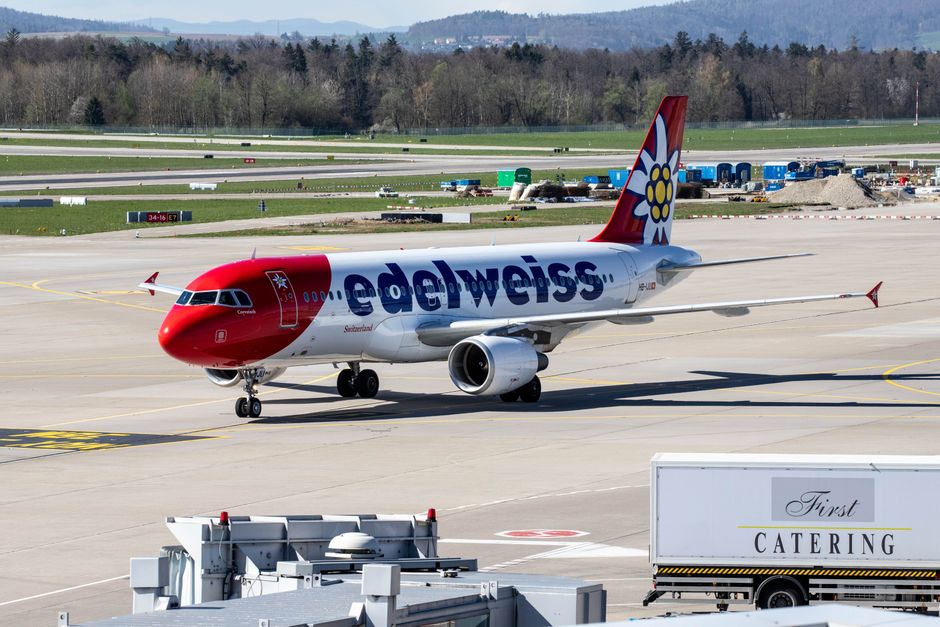
The Zurich Tourism Board has acknowledged the challenge, pivoting toward domestic and regional marketing while attempting to court emerging markets. Yet near-term momentum appears limited. Air traffic into Kloten Airport remains soft, and forward bookings for August—typically peak season—suggest cautious traveller sentiment rather than robust demand.
Conference and convention traffic, a cornerstone of Zurich's tourism resilience, has proven more resilient, though organisers report smaller delegations attending events at venues like the Zurich Congress Centre. Weekend leisure travel, by contrast, shows pronounced softness.
As summer unfolds, Zurich's tourism sector faces an uncommon reality: global uncertainty is not translating into the typical "safe haven" tourism surge that Switzerland has historically benefited from during turbulent periods. Instead, many would-be visitors are simply staying home.
This article was compiled by AI from the sources linked above and screened before publishing. See our editorial standards.