What Zurich Diners and Shoppers Need to Know About Summer Price Pressures
As labour costs and supply chain adjustments bite, local restaurant owners and retailers are signalling changes that will affect your wallet through autumn.
As labour costs and supply chain adjustments bite, local restaurant owners and retailers are signalling changes that will affect your wallet through autumn.
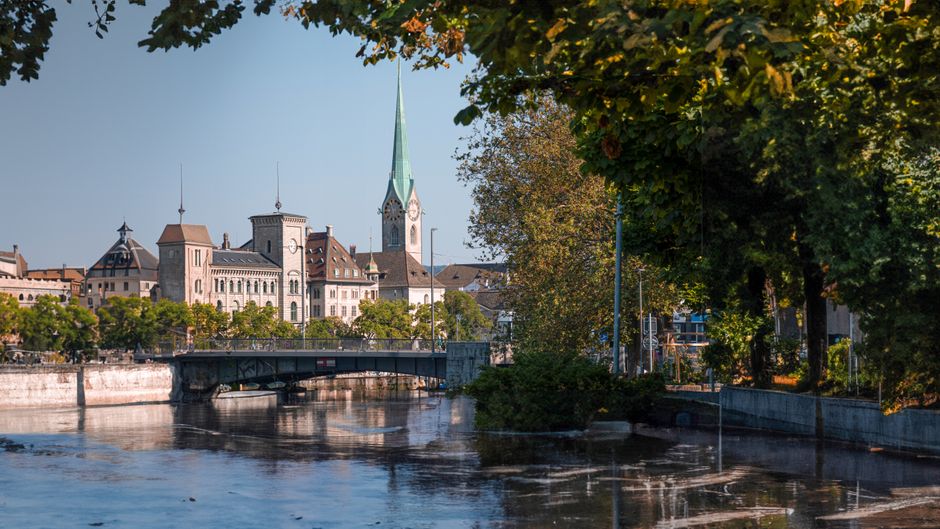
Walking down Bahnhofstrasse or grabbing lunch in the Europaplatz district, you might have noticed something subtle: menu prices creeping upward, smaller portion sizes, or new service charges appearing on bills. These aren't random fluctuations—they reflect genuine pressures reshaping Zurich's retail and hospitality landscape as we head into the second half of 2026.
Labour costs remain the elephant in the room. Swiss hospitality employers continue to grapple with wage expectations that have shifted markedly since 2024. The Swiss Hotel Association has noted that staffing challenges in kitchens and front-of-house roles persist, with many establishments reporting difficulty filling seasonal positions even with competitive packages. For diners, this translates into higher meal costs: expect to see main courses in mid-range Zurich restaurants averaging 38–48 CHF, up from the 33–40 CHF range of two years ago.
The retail sector tells a parallel story. Small and medium-sized shops in neighbourhoods like Wiedikon and Aussersihl face pressure from both rent—still elevated despite modest softening—and inventory management. Independents report that summer tourism fluctuations have become less predictable, making stock decisions riskier. Supermarket chains have consolidated their presence in less profitable areas, leaving some residential zones with fewer convenient options.
What's changing operationally? Many establishments have quietly shifted to dynamic pricing for peak hours and adjusted their supply chains to rely on fewer, more reliable vendors rather than chasing marginal cost savings. Some venues in the city centre have introduced voluntary service charges (typically 2–3%) rather than across-the-board price hikes, hoping customers perceive this as fairer.
The food sector specifically shows bifurcation: high-end restaurants near the Kunsthaus and Bahnhofstrasse remain robust, drawing international clients indifferent to price. But the mid-market—casual dining on Langstrasse, neighbourhood pizzerias, family-run bakeries—is navigating tighter margins. Local bakeries, custodians of Zurich's bread culture, report that grain and energy costs have stabilised, but labour shortages mean some are reducing operating hours.
For everyday residents, the practical takeaway is simple: budget slightly more for eating out, expect less dramatic seasonal discounting, and support neighbourhood venues you value—their margins have contracted meaningfully. Retail shoppers should anticipate that convenience has a price; those willing to plan purchases and visit larger stores will find better value. The sector isn't in crisis, but the comfortable economics of 2021–2023 have definitively ended.
This article was compiled by AI from the sources linked above and screened before publishing. See our editorial standards.
How does this story make you feel?
Spread the word
About this article
Published by The Daily Zurich
Daily brief
Free, in your inbox before 7am. Weekdays.
More in Business