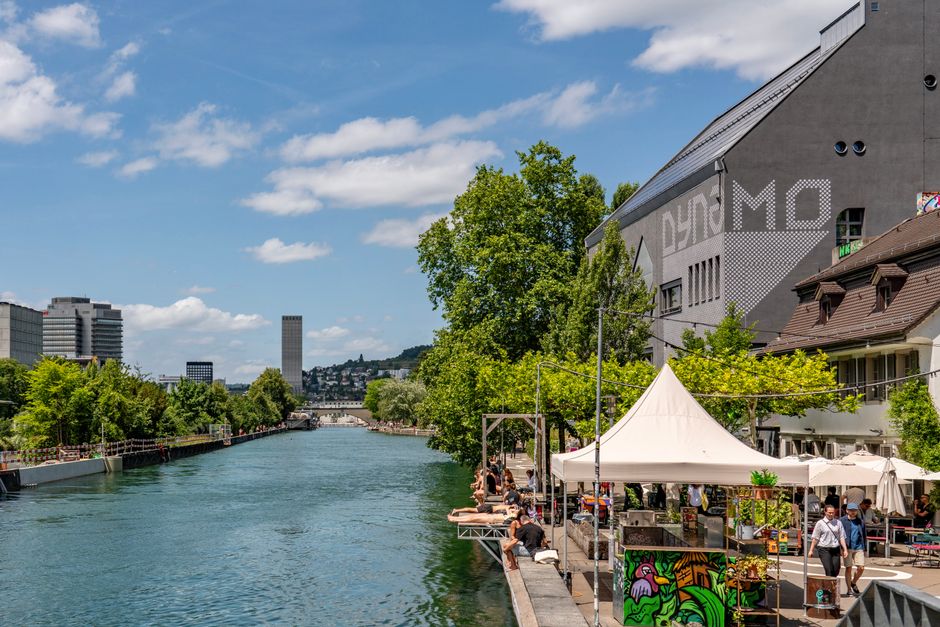
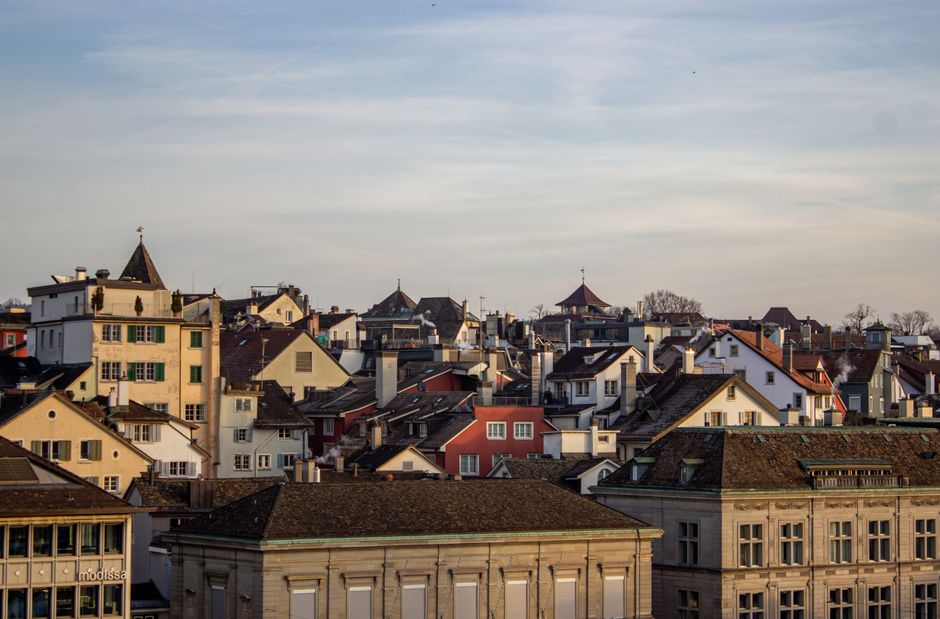
Walk through the converted warehouse spaces along Geroldstrasse in Zurich West, and you'll see the shift materializing in real time. What was once dominated by multinational finance and pharma offices now hums with energy from micro-studios, design collectives, and software startups occupying everything from 50-square-meter studios to shared desks. This transformation is upending the city's century-old employment hierarchy—and forcing major employers to confront an uncomfortable truth: talent is voting with its feet.
The numbers tell a striking story. According to the Zurich Chamber of Commerce's latest talent survey, the proportion of workers under 35 launching their own ventures or joining startups has risen from 18 percent in 2022 to 31 percent by mid-2026. Simultaneously, recruitment agencies report a persistent shortage of mid-level talent at established firms, with average salary expectations among skilled professionals climbing 12 to 15 percent annually as startup competition intensifies.
"We're seeing a fundamental shift in what young talent values," explains research from the University of Zurich's Institute for Business Administration. "Autonomy and equity stakes are outweighing the security of a blue-chip paycheck." That's translating into real pressure on Swiss businesses traditionally built on stability and hierarchy. Banks and pharmaceutical giants, which anchored Zurich's economy for decades, now compete not just with each other but with an ecosystem of nimble operators in Aussersihl's startup hubs and the coworking spaces dotting Wiedikon and the Europaallee district.
Rental costs tell another story. Commercial space in West Zurich commands CHF 300–400 per square meter annually—a fraction of what prime office real estate costs downtown. This affordability has attracted entrepreneurs who might otherwise never have launched independently. Incubators and accelerators, from established names like Nest and StartHub to scrappier collective workspaces, have proliferated, creating talent pipelines and knowledge-sharing communities that weren't there five years ago.
The ripple effects extend beyond recruitment. Established firms are experimenting with remote-first policies, equity incentives, and flatter decision-making structures—moves that would have been heretical in Zurich's traditional corporate culture. Some are even spinning off internal innovation labs or acquiring promising startups as a retention tactic.
"Zurich's strength has always rested on stability and expertise," says regional economic development data. "Now it's being tested by dynamism." Whether legacy employers can adapt quickly enough remains uncertain—but the message is clear: the city's talent market has fundamentally redistributed power.
This article was compiled by AI from the sources linked above and screened before publishing. See our editorial standards.