Why Your Favorite Zurich Cafés Are Changing—And What You Need to Know
As tourism surges post-pandemic, everyday residents are discovering that navigating their own city now requires strategy.
As tourism surges post-pandemic, everyday residents are discovering that navigating their own city now requires strategy.
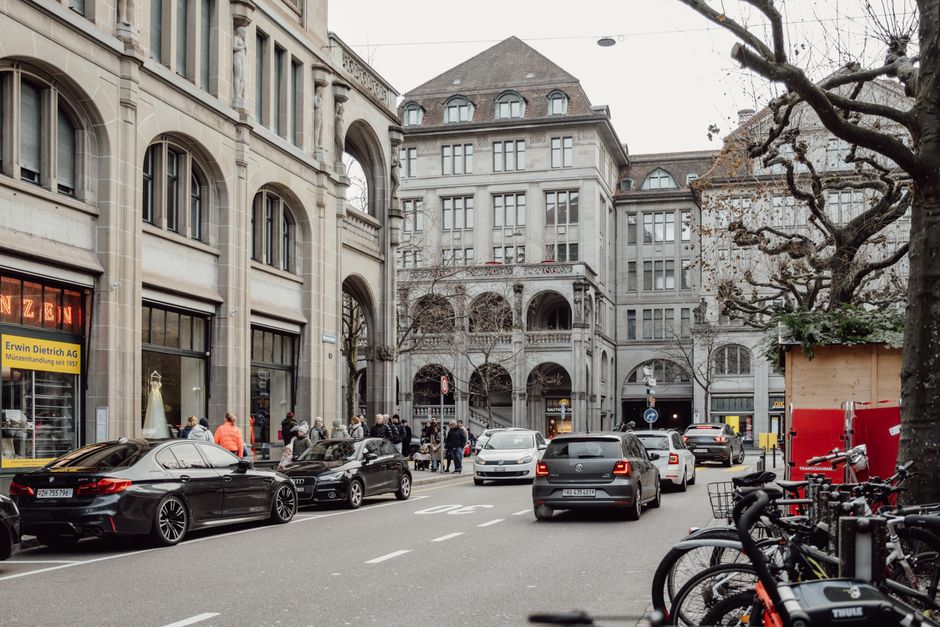
If you've noticed longer queues at Café Henrici on the Limmatquai, or found yourself priced out of lunch at Sprüngli on Bahnhofstrasse, you're not imagining it. Zurich's visitor economy is booming again—and it's reshaping daily life for those who actually live here.
Post-pandemic tourism numbers tell the story. The Zurich Tourism Board reports that international overnight stays reached 3.1 million in 2024, up nearly 40 percent since 2019. American, British, and increasingly Chinese visitors are flooding the Old Town, pushing reservation times at restaurants to three weeks in advance and hiking average meal costs by 15-20 percent year-on-year across the city's hospitality sector.
The practical impact is real. Residents working downtown now face genuine choices: eat earlier than preferred, venture to less-touristy neighborhoods like Wiedikon or Aussersihl, or accept higher prices for familiar haunts. Museum entry fees at the Kunsthaus and Swiss National Museum have climbed as demand peaks, while summer evenings on the Bahnhofbrücke and lakefront promenades have become increasingly crowded.
But there's nuance worth understanding. Tourism contributes an estimated 2.8 billion francs annually to the Zurich economy, supporting roughly 36,000 jobs across hospitality, retail, and services. That includes not just high-end establishments but neighborhood bakeries and corner shops that benefit from foot traffic. Many of Zurich's world-class museums, galleries, and cultural institutions depend on visitor revenue to sustain programming locals enjoy year-round.
For residents wanting to reclaim their city without sacrificing its benefits, adaptation matters. Visiting popular neighborhoods during off-peak hours—weekday mornings instead of weekend afternoons—remains viable. Learning which areas maintain local character helps: the Sihlfeld district, around Helvetiaplatz, or smaller venues on Münstergasse still feel authentically Zurich. Supporting local businesses directly, rather than international chains, helps ensure tourism revenue circulates through the community.
The conversation emerging isn't whether tourism should exist—Zurich's global identity depends on it. Rather, it's about balance. City planners are quietly examining crowd management strategies used in Venice and Barcelona, while local advocacy groups push for affordable housing policies to prevent long-term residents from being displaced by rising rents tied to tourism development.
Understanding tourism's dual nature—as economic engine and daily-life disruptor—is essential for residents navigating Zurich's evolution. Your favorite city is becoming increasingly shared. The question is how to thrive within that reality.
This article was compiled by AI from the sources linked above and screened before publishing. See our editorial standards.
How does this story make you feel?
Spread the word
About this article
Published by The Daily Zurich
Daily brief
Free, in your inbox before 7am. Weekdays.
More in Business