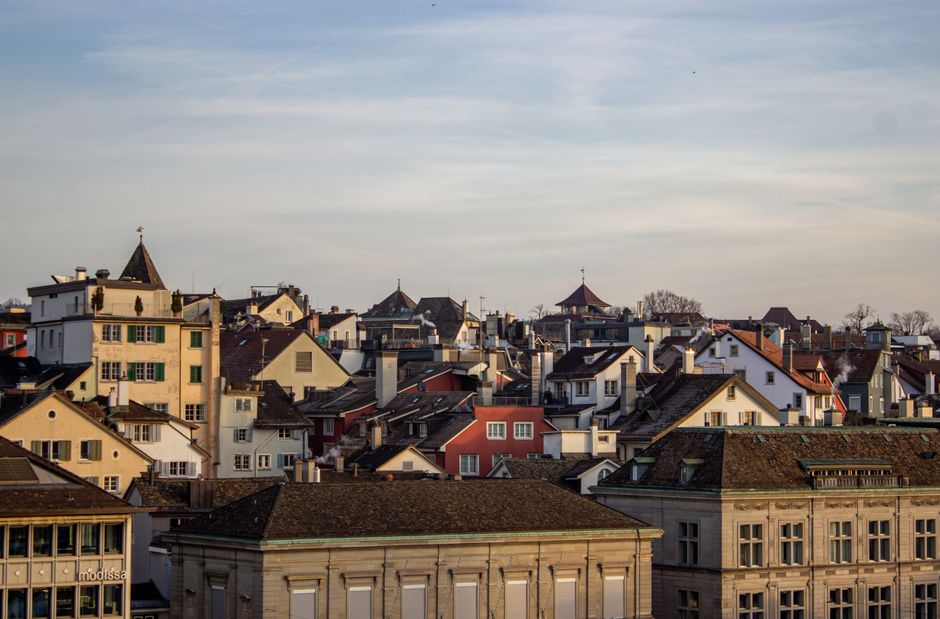
The cost of living crisis has hit Zurich hard. Recent data shows rental prices in desirable neighbourhoods like Altstetten and Hongg have climbed 8–12% over the past eighteen months, while childcare expenses now routinely exceed CHF 2,500 monthly. Against this backdrop, middle-income families face a familiar dilemma: how to build wealth when monthly budgets are already stretched.
Enter Vermögensverwaltung 3.0, a fintech venture launched in 2023 from a modest office on Quellenstrasse in Wiedikon. The platform, which bridges the gap between traditional wealth management and accessible digital investing, has grown to manage over CHF 180 million in assets for approximately 8,500 clients—many of them professionals earning CHF 120,000 to CHF 300,000 annually who historically couldn't access personalised portfolio advice without prohibitive fees.
The founder's insight was straightforward: Switzerland's established private banks maintain minimum investment thresholds of CHF 500,000 or higher, effectively locking out skilled earners facing genuine affordability pressures. The platform's algorithm-driven model reduces advisory costs to 0.4% annually—less than half the traditional Swiss banker's rate—while maintaining fiduciary standards and local regulatory compliance through partnerships with licensed custodians in Zurich and Basel.
What sets this venture apart is its hyper-local focus. Rather than chasing international expansion, the team has embedded itself in Zurich's business ecosystem, sponsoring events at the Zurich Chamber of Commerce and collaborating with HR departments at mid-sized firms across the Limmatquai corridor. Employee investment schemes have become a core revenue stream, with companies like those clustered around the Europaallee innovation quarter adopting the platform for staff savings plans.
The competitive landscape is crowded—robo-advisors and discount brokers abound—yet Vermögensverwaltung 3.0 has carved a distinct niche by offering quarterly portfolio reviews conducted by human advisors, a service most fully-digital competitors eschew. At CHF 250 per session, it remains affordable for middle-income savers while generating sustainable revenue.
Industry observers note the venture reflects broader shifts in Swiss finance. As global interest rates remain volatile and real returns lag inflation, ordinary investors increasingly seek guidance. The Zurich-based firm's growth trajectory suggests there's untapped demand for professional investment counsel positioned between robo-advice and traditional wealth management—and that demand is strongest in Switzerland's most expensive cities, where building financial security has become a pressing challenge.
This article was compiled by AI from the sources linked above and screened before publishing. See our editorial standards.