What Your Wallet Needs to Know: How Zurich's Job Market is Reshaping Daily Life
As employment patterns shift across Switzerland's financial hub, residents face new pressures on rent, wages, and cost of living that go far beyond the headlines.
As employment patterns shift across Switzerland's financial hub, residents face new pressures on rent, wages, and cost of living that go far beyond the headlines.
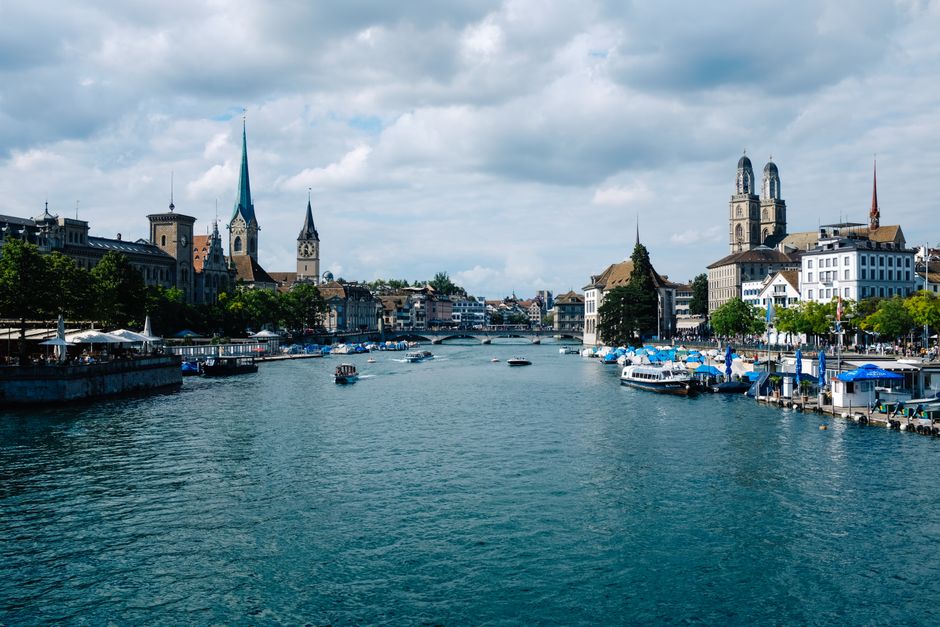
Walk through the corridors of Bahnhofstrasse or grab a coffee in Altstetten, and you'll hear it: conversations about jobs, salaries, and whether it still makes sense to live here. For everyday Zurich residents, the city's employment landscape isn't an abstract concept—it directly affects whether they can afford their CHF 2,200 monthly rent in Wiedikon, or whether they need to relocate to the periphery.
The numbers tell a sobering story. Switzerland's unemployment rate hovers near historic lows, yet wage growth has stalled. Zurich's labour market, traditionally dominated by finance and insurance, is experiencing a quiet realignment. Major banking institutions continue shedding roles through automation and consolidation, while demand intensifies for tech specialists, healthcare workers, and skilled trades. This mismatch creates winners and losers among ordinary residents.
Consider the practical implications: a 35-year-old office administrator earning CHF 6,500 monthly faces a completely different Zurich than a software developer commanding CHF 9,000 or more. Housing costs in desirable neighbourhoods like Seefeld or Kreis 7 have become almost untouchable for middle-income earners. Meanwhile, employers are increasingly hiring contractors and part-time workers rather than permanent staff, shifting risk onto workers who must manage irregular income and reduced benefits.
The commute itself reflects these changes. Workers from Winterthur, Baden, and even further afield are now competing for Zurich positions, willing to endure longer travel times to access higher wages. This has strained public transport and reshaped which residential areas feel accessible to ordinary families.
What should residents actually understand? First, sector matters enormously. Those in declining industries face pressure to retrain, while healthcare and technology offer genuine opportunities. Second, job security has become relative—even in Switzerland's stable economy, roles are increasingly fluid. Third, geographical flexibility is no longer optional; the city centre is becoming concentrated wealth while satellites grow.
The hospitality sector around Bahnhofplatz and Oerlikon increasingly relies on foreign workers due to wage constraints, reflecting broader labour shortage pressures. Simultaneously, professional services firms continue hiring, but often at junior levels with expectations of eventual relocation to London or Singapore.
For the average Zurich resident, this employment transformation means: evaluate your sector's future, consider your geographic flexibility, and understand that nominal wage stability doesn't equal real purchasing power. The city remains prosperous, but its prosperity is increasingly concentrated. Your job market position now determines not just career trajectory, but basic housing security in ways previous generations didn't experience.
This article was compiled by AI from the sources linked above and screened before publishing. See our editorial standards.
How does this story make you feel?
Spread the word
About this article
Published by The Daily Zurich
Daily brief
Free, in your inbox before 7am. Weekdays.
More in Business