How Global Chaos Is Reshaping the Cost of Doing Business in Zurich
As geopolitical tensions spike from the Middle East to Pakistan, Zurich's business elite face a perfect storm of rising operational costs and investment volatility.
As geopolitical tensions spike from the Middle East to Pakistan, Zurich's business elite face a perfect storm of rising operational costs and investment volatility.
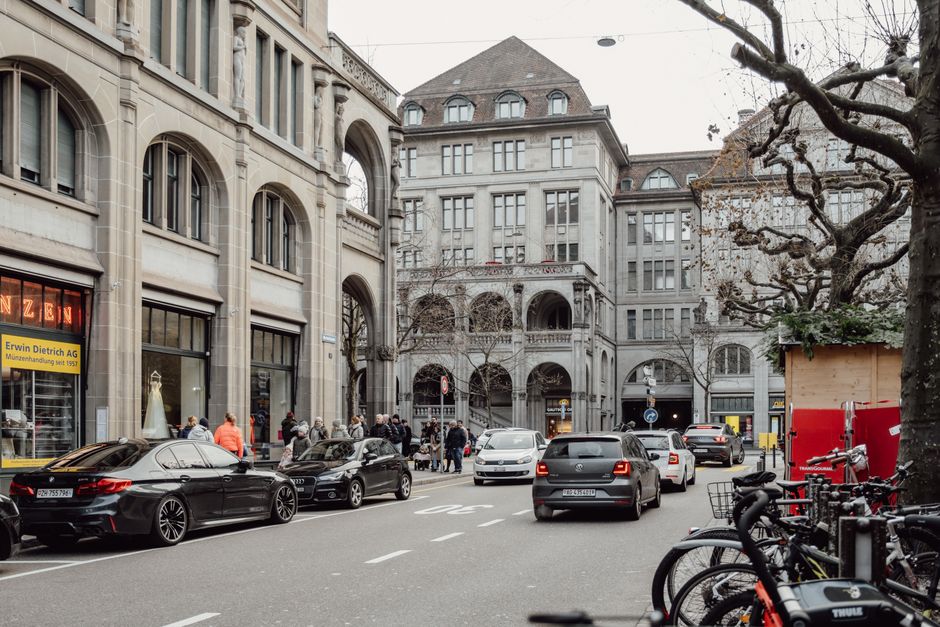
Walking along Bahnhofstrasse on a Monday morning, you'd be forgiven for thinking Zurich's business world remains insulated from the turmoil gripping the globe. Yet behind the polished facades of the banking towers and the calm of the Lindenhof, a different reality is unfolding: the city's enterprises are grappling with unprecedented cost pressures triggered by geopolitical shocks thousands of kilometres away.
The deteriorating situation in the Middle East—where U.S.-Iran peace talks hang by a thread and Tehran flexes its leverage over the Strait of Hormuz—has sent commodity prices spiralling upward. For Zurich's import-dependent businesses, particularly those concentrated around the Europaallee district where logistics hubs dominate, supply chain costs have jumped 12-15% in recent months, according to preliminary figures from the Zurich Chamber of Commerce. A standard shipping container from Asia now costs nearly 40% more than it did eighteen months ago.
Pharmaceutical and biotech firms headquartered in Zurich—Novartis's Pharma Division and the cluster of smaller companies around the Polytechnic campus—face compounding pressures. Raw material sourcing from politically unstable regions has forced many to maintain larger inventory buffers, tying up capital that could otherwise fund R&D or expansion. One mid-sized medtech firm on Rämistrasse reported that hedging costs alone have consumed an extra 8% of their operational budget this quarter.
The residential impact is equally tangible. Commercial landlords on prime real estate near the Bahnhof are experiencing tenant pressure: companies are renegotiating leases downward or relocating to the periphery. Meanwhile, the cost of living for Zurich's workforce—already among the world's highest—shows no signs of moderating. A two-bedroom apartment in Wiedikon now averages 3,200 francs monthly, up 6% year-on-year, while inflation pressures mean that skilled workers are demanding higher salaries to maintain purchasing power.
What's particularly acute is the investment dimension. The global uncertainty surrounding Middle East stability, Pakistan-Afghanistan tensions, and Venezuelan economic collapse has triggered capital flight into safer havens. While this theoretically benefits Swiss financial institutions, it's creating a bifurcated market: large multinational firms can access cheap capital, while smaller Zurich-based enterprises face higher borrowing costs and tighter credit availability from risk-averse lenders.
For the city's business community, the message is stark: Zurich's prosperity depends on global stability. When that stability fractures, even Switzerland's deepest financial reserves cannot fully insulate local businesses from the consequences. The question now is whether Zurich's traditionally nimble business sector can adapt faster than these headwinds intensify.
This article was compiled by AI from the sources linked above and screened before publishing. See our editorial standards.
How does this story make you feel?
Spread the word
About this article
Published by The Daily Zurich
Daily brief
Free, in your inbox before 7am. Weekdays.
More in Business