Why Zurich's Tech Boom Matters to Your Daily Life—and Your Wallet
As innovation districts reshape the city from Altstetten to Zurich-West, residents are discovering that startup culture isn't just for entrepreneurs anymore.
As innovation districts reshape the city from Altstetten to Zurich-West, residents are discovering that startup culture isn't just for entrepreneurs anymore.
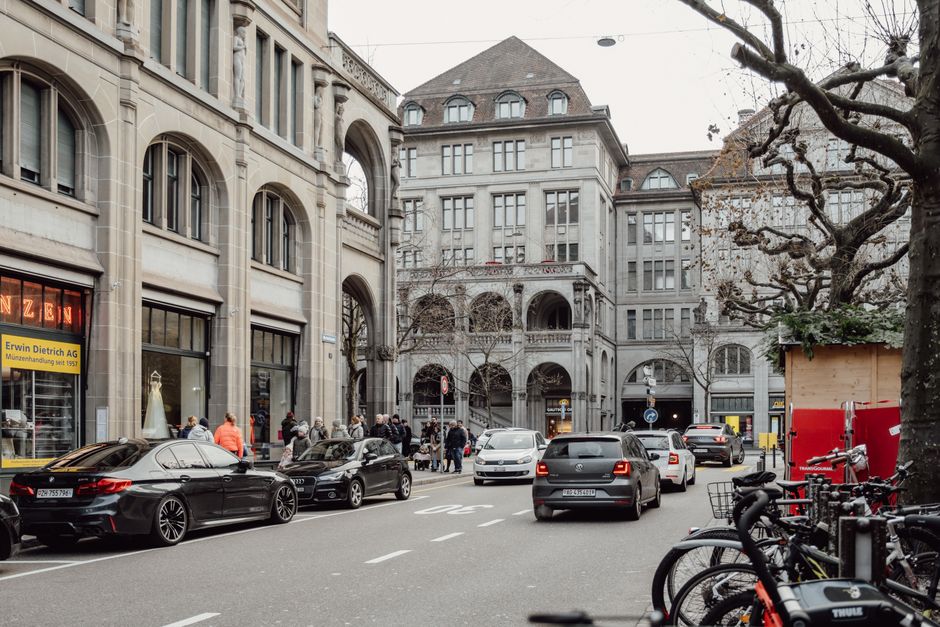
Walk along Europaallee on any weekday afternoon, and you'll see something that would have been unthinkable a decade ago: tech campuses where industrial warehouses once stood, young professionals in casual dress grabbing coffee at converted factory venues, and venture capitalists meeting over lunch in neighborhoods that used to be purely residential.
But what does Zurich's booming startup ecosystem actually mean for ordinary residents and consumers? More than you might think.
The transformation is concrete and immediate. Housing prices in previously overlooked areas like Altstetten and Wipkingen have climbed 18-22% over the past three years, directly driven by young tech workers relocating to be near innovation hubs. A two-bedroom apartment that cost CHF 2,400 monthly in 2023 now commands CHF 2,800—part of a broader affordability crisis tied to the sector's expansion. For longtime residents and young families, this represents a genuine squeeze on budgets.
Consumer benefits are also emerging, though unevenly distributed. Zurich's fintech cluster—concentrated around Bahnhofstrasse and increasingly in the Zurich-West corridor—has driven innovation in banking apps and digital payments. But this convenience comes with a caveat: smaller, traditional banks are struggling, and financial services consolidation means fewer neighborhood branches and less personalized service for those uncomfortable with digital-only banking.
Transportation has tangibly improved. Tech companies anchoring in Altstetten and along the Limmat valley pushed the city to expand tram routes and improve cycling infrastructure. The new vélo stations near the Europaplatz reflect this demand. Yet rapid gentrification follows such improvements, creating a paradox where better infrastructure accelerates displacement.
The startup ecosystem also shapes what businesses thrive locally. Traditional retailers on Bahnhofstrasse face pressure from venture-backed e-commerce competitors. Meanwhile, new services—coworking spaces, specialized cafés catering to remote workers, premium grocery delivery—have proliferated, often at premium prices.
Zurich's universities and ETH Zurich remain critical feeders for this ecosystem, making education-adjacent real estate hotly contested. Properties near Irchel Park or Hönggerberg command premiums not just for academic proximity, but for tech talent clustering.
The reality for residents is mixed: greater innovation and global competitiveness for the city, but also accelerating inequality, housing stress, and rapid neighborhood change. Understanding this dynamic isn't optional—it's essential for anyone navigating Zurich's shifting landscape in 2026.
This article was compiled by AI from the sources linked above and screened before publishing. See our editorial standards.
How does this story make you feel?
Spread the word
About this article
Published by The Daily Zurich
Daily brief
Free, in your inbox before 7am. Weekdays.
More in Business