Zurich's Startup Boom: What Economic Signals Tell Us About Investment Flows in 2026
As venture capital patterns shift across Switzerland's innovation districts, local founders and investors decode the metrics reshaping the city's tech economy.
As venture capital patterns shift across Switzerland's innovation districts, local founders and investors decode the metrics reshaping the city's tech economy.
Zurich's startup ecosystem is sending mixed but ultimately encouraging signals as we enter the second half of 2026. Recent data from the Zurich Innovation Network shows that early-stage funding rounds have stabilized after last year's volatility, with Series A investments averaging CHF 4.2 million—up 18% from 2025—while seed-stage capital remains robust at CHF 840,000 median rounds.
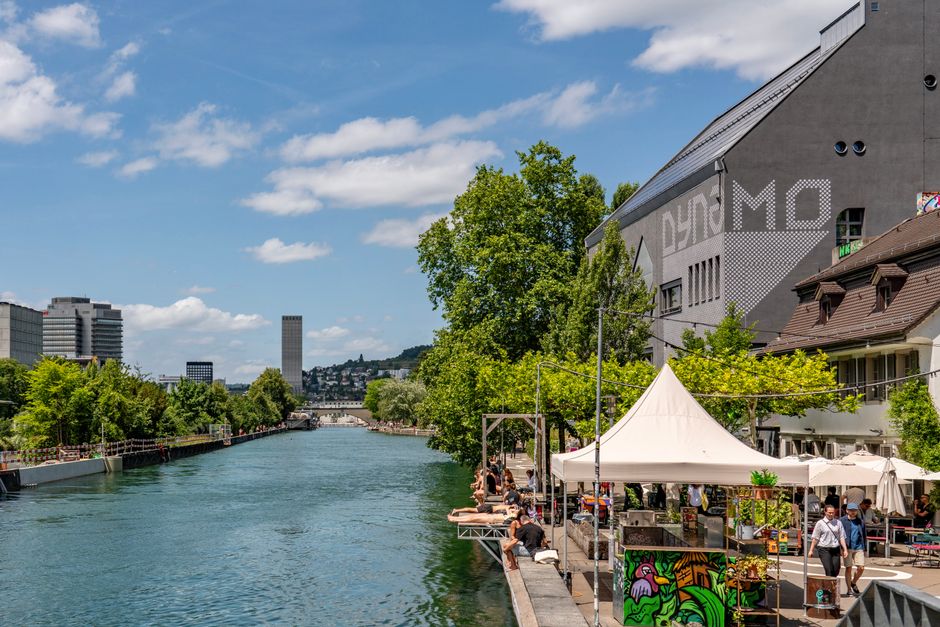
The concentration of activity has shifted subtly across the city's innovation corridors. While Zürich West, traditionally anchored around the Kraftwerk and Binz areas, maintains its stronghold with approximately 42% of reported funding activity, the Altstetten district is emerging as a secondary hub. Real estate data from local commercial brokers indicates office and lab space on Sägereistrasse has appreciated 12% year-over-year, reflecting growing investor confidence in the southwestern corridor.
What explains these flows? Three indicators provide clarity. First, exits have accelerated: five notable acquisitions involving Zurich-based founders closed in the first five months of 2026, compared to seven for the entire 2025. This validates investor thesis around Swiss deep-tech and financial technology ventures. Second, corporate venture arms from established firms—particularly those headquartered along Bahnhofstrasse and in the Wiedikon district—have become more active, accounting for roughly 28% of later-stage deal volume, up from 19% two years ago.
Third, and perhaps most revealing, is the geographic diversification of capital sources. While Swiss family offices and cantonal pension funds traditionally dominated Zurich's investor base, international allocations have grown. Data shows that 34% of current seed and Series A rounds now involve at least one non-Swiss lead investor, primarily from Berlin, London, and Palo Alto, indicating that Zurich's narrative as a premium innovation location is resonating globally.
The regulatory environment also matters. Switzerland's revised framework for blockchain and fintech operations, updated in March 2026, has catalyzed interest in crypto-adjacent infrastructure plays. At least eight new ventures launched in the past quarter focusing on tokenization and decentralized finance, predominantly setting up in Zurich proper rather than competing jurisdictions.
For observers tracking economic health beyond headline valuations, these patterns suggest sustainable momentum. Talent retention remains strong—local university graduate retention sits at 61%—while burn rates among backed startups have normalized to approximately 18 months of runway, indicating more disciplined capital allocation than the 2021-2023 period.
The message for stakeholders is nuanced: Zurich's ecosystem is neither overheating nor stalling. Instead, it reflects a maturing market where fundamentals matter increasingly, international confidence is rising, and geographic diversification within the city itself is creating new innovation centers beyond the established West Bank concentration.
This article was compiled by AI from the sources linked above and screened before publishing. See our editorial standards.
How does this story make you feel?
Spread the word
About this article
Published by The Daily Zurich
Daily brief
Free, in your inbox before 7am. Weekdays.
More in Business