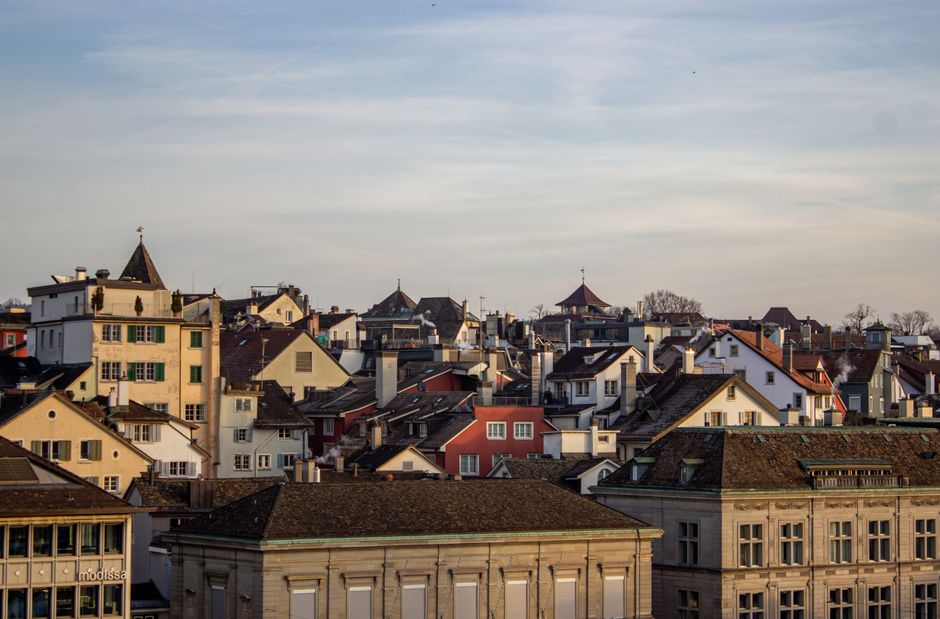
Why Your Grocery Bill and Rent in Zurich Are About to Feel the Squeeze
Global trade tensions are reshaping supply chains—and your wallet. Here's what residents need to know about tariffs, reshoring, and the hidden costs heading your way.
Global trade tensions are reshaping supply chains—and your wallet. Here's what residents need to know about tariffs, reshoring, and the hidden costs heading your way.
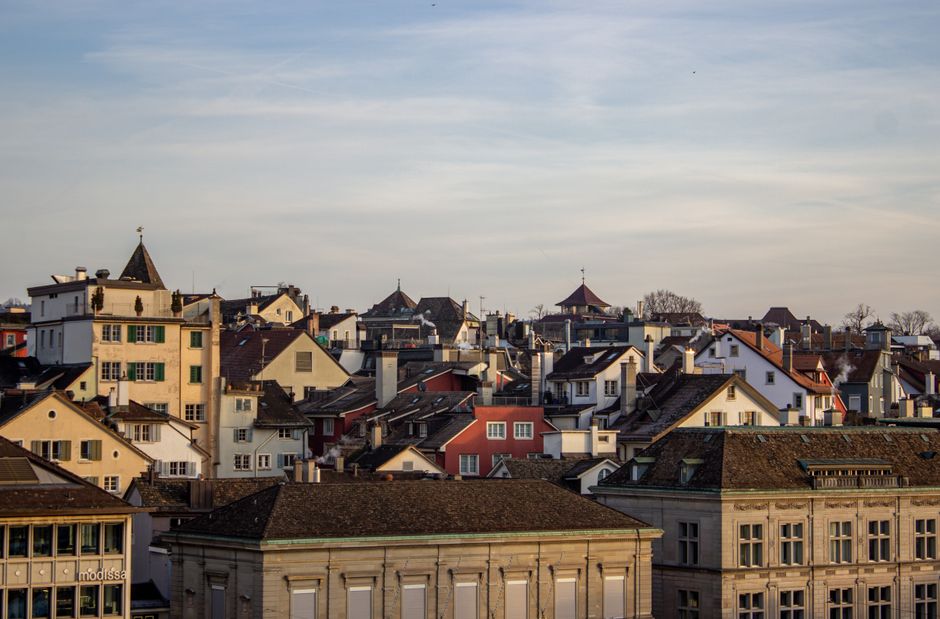
Walk through the Migros on Bahnhofstrasse on any Saturday morning, and you'll see something that hasn't changed much in years: affordable bananas from Ecuador, tomatoes from Spain, and coffee from Colombia. But behind those familiar price tags, an invisible restructuring is underway that will soon touch every household in Zurich.
The global trade landscape is shifting dramatically. New tariff barriers, supply chain realignments, and geopolitical tensions between major trading blocs are forcing companies to rethink where they source goods and manufacture products. For Switzerland—a nation with virtually no raw materials and an economy built entirely on trade and services—the implications are profound.
Take the fashion and luxury sectors that anchor Zurich's economy around Bahnhofplatz and beyond. Brands increasingly face pressure to "reshore" production closer to European markets, adding labour costs. Meanwhile, tariffs on imports from key suppliers in Asia are climbing. These costs don't disappear; they flow downstream to consumers. A study by the Swiss Retailers Association suggests import-heavy categories—textiles, electronics, processed foods—could see price increases of 3–8 percent by year-end.
For renters across Zurich's increasingly tight housing market, the pressure compounds differently. Construction materials, appliances, and fixtures sourced globally mean renovation and new building projects face delays and cost overruns. Property owners often pass these expenses to tenants through higher maintenance charges or rent increases.
Energy is another vulnerability. While Switzerland benefits from stable hydroelectric power, the country imports significant quantities of refined petroleum and electricity from neighbouring regions. Disruptions in Mediterranean shipping routes or Eastern European supply chains create price volatility that ripples through heating costs and transport.
What should everyday residents understand? First, price stability in familiar categories—groceries, utilities, basic goods—cannot be taken for granted. Second, supply chains are fragmenting, which may mean longer wait times for deliveries and fewer product choices, at least temporarily. Third, Switzerland's strength lies in its reputation for high-value services and innovation, not in buffering global trade shocks.
The good news: Switzerland's diversified economy, strong institutions, and stable currency provide insulation that many countries lack. But complacency is unwarranted. Those planning major purchases—furniture, appliances, vehicles—would be wise to act sooner rather than later. For investors, the message is equally clear: the decade of cheap, globally optimised supply chains is ending. Adaptation is inevitable.
This article was compiled by AI from the sources linked above and screened before publishing. See our editorial standards.
How does this story make you feel?
Spread the word
About this article
Published by The Daily Zurich
Daily brief
Free, in your inbox before 7am. Weekdays.
More in Business