Why Zurich Residents Need to Understand the Tourism Boom—and Its Real Cost
As visitor numbers surge past pre-pandemic levels, everyday residents are discovering how the tourism economy reshapes everything from rental prices to café culture.
As visitor numbers surge past pre-pandemic levels, everyday residents are discovering how the tourism economy reshapes everything from rental prices to café culture.
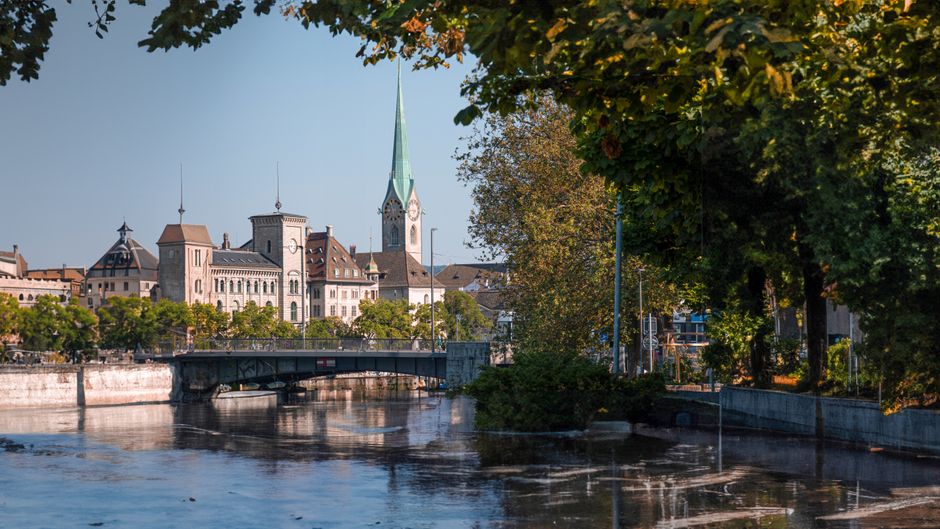
Zurich's tourism machine is running at full throttle. Last year, the city welcomed 3.7 million overnight guests—a figure that continues climbing in 2026. But behind those statistics lies a more nuanced reality that affects anyone living in districts like Wiedikon, Aussersihl, or the increasingly crowded Old Town: the visitor economy is fundamentally reshaping how the city functions.
For residents, this means understanding the trade-offs. Tourism generates approximately 7.5 billion francs annually for the canton, supporting roughly 45,000 jobs. Hotels along Bahnhofstrasse and the lake-facing establishments near Mythenquai are operating at higher occupancy rates than ever. But this success comes with practical consequences that touch daily life.
Rental prices tell part of the story. Short-term vacation rentals have proliferated across central neighbourhoods, reducing long-term housing stock. A typical one-bedroom apartment in Kreis 5 now commands 2,800–3,200 francs monthly—significantly higher than five years ago. Property owners increasingly prefer the lucrative Airbnb model over traditional tenancies, a shift directly linked to tourism demand.
Then there's the question of accessibility. Popular cafés on Münsterhof or along the Limmat now routinely cater to visitors, with menus adjusted and pricing calibrated accordingly. A simple coffee at establishments near major attractions costs 6–8 francs, double the price at neighbourhood spots in Altstetten or Schwamendingen. Restaurants in the Altstadt have transformed their menus to appeal to international palates, sometimes at the expense of traditional Swiss cuisine locals once relied upon.
Public transport infrastructure, already strained, faces additional pressure. The SBB network experiences peak crowding during summer months, with trains on the Uetliberg line and main-line departures often packed with visitors consulting maps. The Zurich Tourism Board and local authorities acknowledge this tension but stress that tourism revenue funds public services residents depend on—schools, hospitals, and transport improvements.
Understanding this dynamic matters because it shapes local policy debates. The city council continues discussing visitor management strategies, including potential tourism taxes earmarked for housing affordability or infrastructure upgrades. Some residents support these measures; others argue they threaten Zurich's competitive appeal.
The key insight: tourism isn't an external phenomenon affecting someone else's neighbourhood. It's a system that directly influences housing availability, local business character, and public resource allocation. As visitor numbers continue rising, residents who grasp these mechanisms are better positioned to engage with decisions about how their city develops.
This article was compiled by AI from the sources linked above and screened before publishing. See our editorial standards.
How does this story make you feel?
Spread the word
About this article
Published by The Daily Zurich
Daily brief
Free, in your inbox before 7am. Weekdays.
More in Business