Zurich's Office Market Faces Perfect Storm of Headwinds in 2026
Rising vacancy rates, hybrid work persistence, and geopolitical uncertainty are reshaping the commercial property landscape across Switzerland's largest business hub.
Rising vacancy rates, hybrid work persistence, and geopolitical uncertainty are reshaping the commercial property landscape across Switzerland's largest business hub.
Zurich's commercial real estate sector is navigating one of its most challenging years in recent memory. The office market, long a cornerstone of the city's economic identity, faces a confluence of structural headwinds that are forcing landlords and investors to fundamentally rethink their strategies.
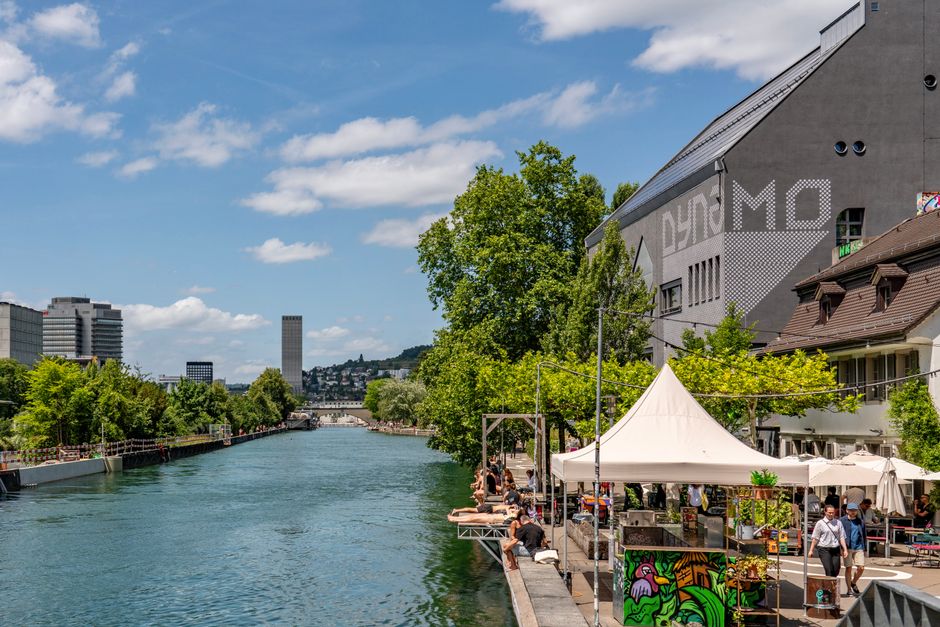
Vacancy rates in prime office locations have climbed to levels not seen since the pandemic recovery began. The Europaallee neighbourhood, once a beacon of modern workspace development with its gleaming towers along the Limmat riverfront, now shows visible softness. Commercial brokers report that several Grade A properties in this sector are experiencing occupancy challenges, with lease renewals increasingly difficult to secure at pre-2024 rates.
The root causes are well-documented but no less troubling for property owners. Hybrid working arrangements—once considered a temporary adjustment—have calcified into permanent corporate policy across Zurich's major financial services and technology firms. The Swiss Banking Association has publicly acknowledged that major institutions now operate on compressed office footprints, reducing their real estate demand by 15 to 25 percent compared to 2019 baselines. This structural shift is proving far more durable than many predicted.
Geopolitical uncertainty is compounding the problem. The ongoing tensions between major trading blocs have made multinational corporations cautious about long-term lease commitments. Several notable financial firms have deferred or cancelled planned office expansions, citing concerns about regulatory developments and market volatility. The broader economic slowdown affecting Europe—which typically manifests in Zurich before other Swiss cities—is dampening corporate appetite for real estate.
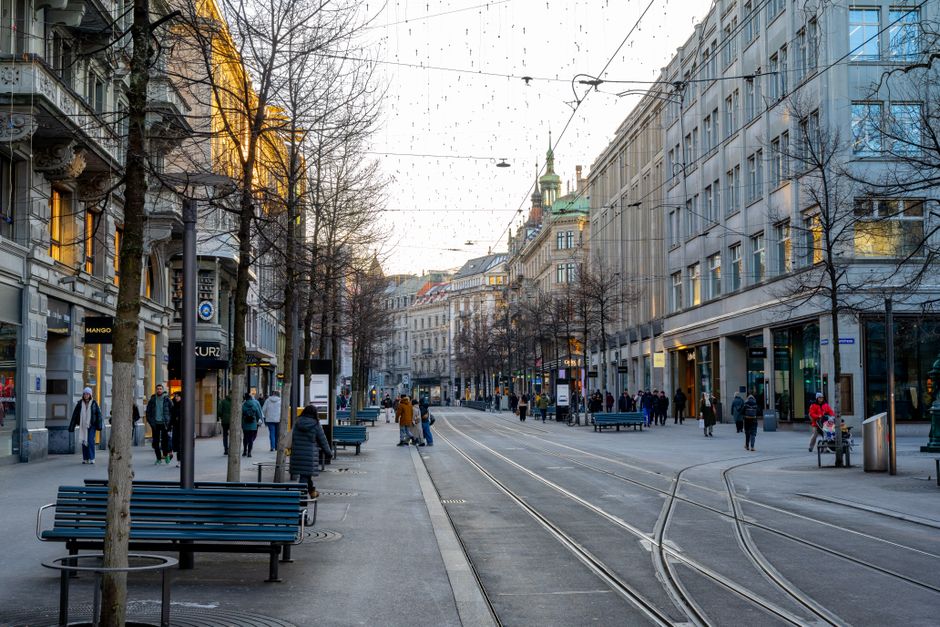
Financing costs remain another significant constraint. While Swiss mortgage rates have stabilized, they remain elevated by historical standards. This has effectively reset the investment calculus for commercial property acquisitions. Cap rates in central Zurich locations like the Bahnhofstrasse corridor have compressed, yet purchase prices have fallen, creating an uneasy equilibrium that discourages new capital commitments.
Some bright spots persist. Life sciences properties remain sought-after, particularly around the Zurich Airport industrial zone, where biotech and pharmaceutical firms continue expansion plans. Properties with modern sustainability credentials also command premiums, reflecting growing ESG investment mandates among institutional buyers.
For developers and landlords, adaptation is no longer optional. The market is signalling a shift toward flexible lease structures, mixed-use developments, and properties that can accommodate both remote work culture and reimagined office functions. Zurich's office market, once defined by stability and premium positioning, is now defined by uncertainty and the urgent need for reinvention.
This article was compiled by AI from the sources linked above and screened before publishing. See our editorial standards.
How does this story make you feel?
Spread the word
About this article
Published by The Daily Zurich
Daily brief
Free, in your inbox before 7am. Weekdays.
More in Business