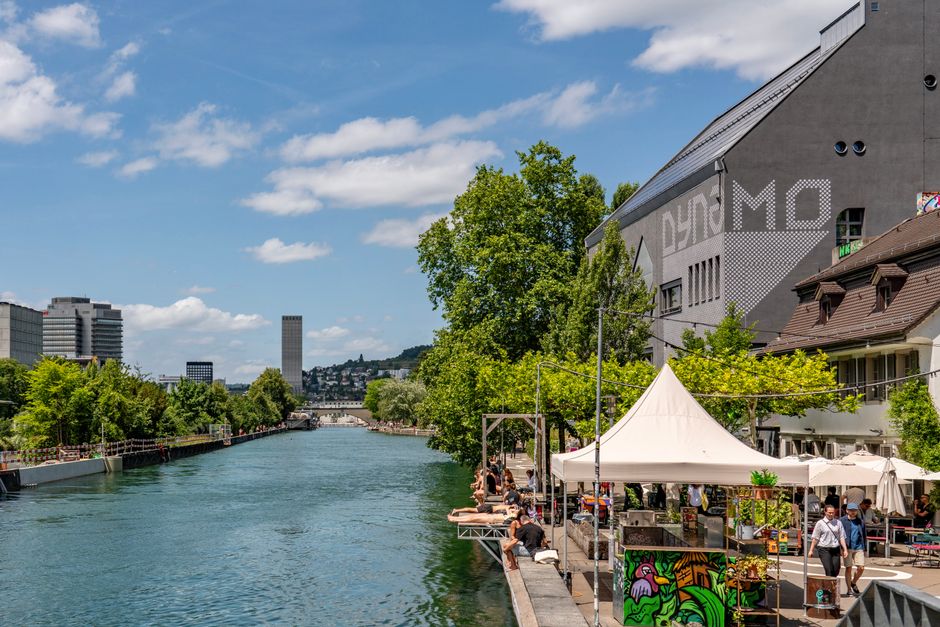
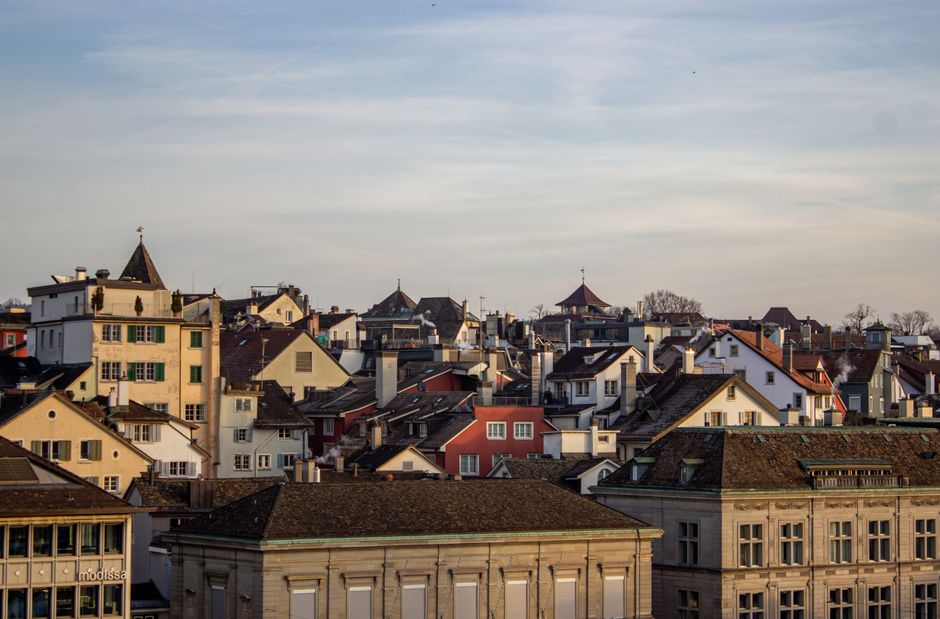
The transformation of Zurich's West End—particularly the sprawling Europaallee precinct along the Limmat—has shifted from municipal vision to measurable business opportunity. Over the past 18 months, the district has attracted over 2.3 billion francs in development investment, and savvy investors are already positioning themselves to benefit from what city planners call "the next decade of growth."
Real estate operators are among the early winners. Wincasa, the property management firm, expanded its office footprint in the district by 40 percent in 2025, while smaller boutique agencies report lease enquiries up 65 percent compared to 2023. Office space that rented for 550 francs per square metre three years ago now commands 720–780 francs, according to commercial brokers monitoring the Europaallee corridor between the SBB development site and the new mixed-use complexes near Hardbrücke.
The venture capital community has taken note. Zurich-based firms like Wingman Venture Partners and Lakestar have recently announced expanded operations in the district, recognizing both the talent density and the proximity to technical universities like ETH's new engineering labs on Europaplatz. Several mid-stage deeptech startups—including battery and renewable energy firms—have moved offices from central Zurich to Europaallee, citing lower costs and better access to research partnerships.
Co-working operators are perhaps the most visible beneficiaries. The Nook, a premium co-working brand, opened a 3,500-square-metre flagship facility near the Leuschel development last year and reports 89 percent occupancy rates—substantially above the Swiss average of 72 percent. Smaller regional players have followed, sensing opportunity in serving the 400-plus startup companies now registered in the West End precinct.
Yet the windfall is not evenly distributed. Service providers—accountants, legal firms, executive coaches—have also staked claims on Europaallee and nearby Müller-Areal, with start-up consulting practices opening at rates unseen in Zurich's central districts. Meanwhile, hospitality operators report stronger foot traffic; espresso bars and quick-service restaurants near Hardbrücke station have seen revenues climb 35 percent year-on-year.
City officials project a further 15,000 jobs will materialize across the district by 2031. Whether that translates into sustainable, inclusive growth or speculative bubble remains an open question. But for now, the money flowing into Europaallee tells a clear story: Zurich's startup ecosystem is no longer confined to Paradeplatz and the university quarter.
This article was compiled by AI from the sources linked above and screened before publishing. See our editorial standards.