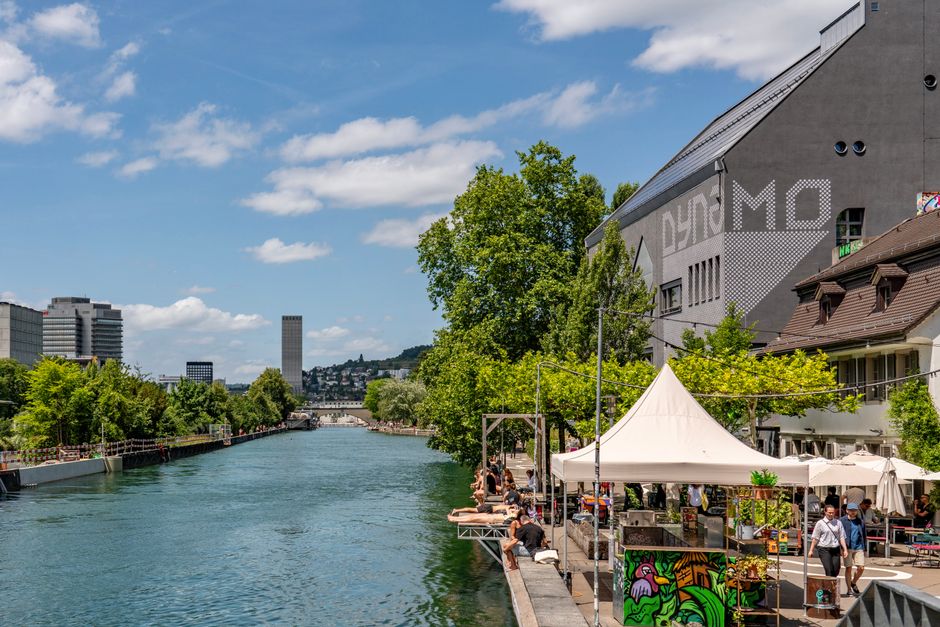
Walk past the renovated industrial warehouses along Geroldstrasse in Zurich-West, and you'll spot the unmistakable signs: colourful company logos, rooftop terraces packed with young professionals, and construction cranes promising more to come. The city's startup ecosystem has matured from a curiosity into an economic force that's reshaping neighbourhoods and, more importantly, the services you rely on every day.
Since 2020, Zurich has welcomed over 1,200 new startups, with the majority clustering in three innovation districts: Zurich-West, the Altstetten corridor, and the emerging tech hub around Europaallee near the main railway station. Unlike the glossy tech parks of Silicon Valley, these are lived-in neighbourhoods where residents are simultaneously beneficiaries and test subjects for tomorrow's services.
What does this mean for you? Consider fintech: Swiss-based startups like Neon and Yuh (a Swissquote joint venture) have already shifted how younger Zurichers bank, offering zero-fee accounts and instant transfers—pressuring traditional banks like UBS and Credit Suisse successors to compete on convenience rather than legacy brand loyalty alone. Monthly fees that once seemed inevitable are now negotiable.
Mobility is another frontier. Zurich residents have watched companies like Mobility-Sharing pioneer car-sharing ecosystems that now challenge private car ownership economics. A monthly pass now costs around CHF 25, undercutting the rising costs of vehicle ownership and parking permits (which can exceed CHF 600 annually in central districts). These startups are also lobbying the city for dedicated parking zones and preferential access to congestion-charge exemptions—changes that affect how your neighbourhood flows.
But there's a cost to rapid innovation: rising rents. The transformation of Zurich-West has driven average apartment rents up 18% over five years, pricing out long-term residents. While startup jobs pay well (average salaries around CHF 110,000), they've also created a two-tier labour market that's reshaping the city's social fabric.
Residents should also understand that these innovation districts attract significant government investment and tax incentives. The cantonal government's CHF 60 million innovation fund helps subsidise startup office space and mentoring—effectively using taxpayer money to seed growth that benefits private companies and their investors.
The startup ecosystem isn't coming to Zurich—it's here, reshaping your options, your neighbourhood, and your cost of living. Being informed about what's happening on Geroldstrasse or Europaplatz isn't optional curiosity anymore. It's essential citizenship.
This article was compiled by AI from the sources linked above and screened before publishing. See our editorial standards.