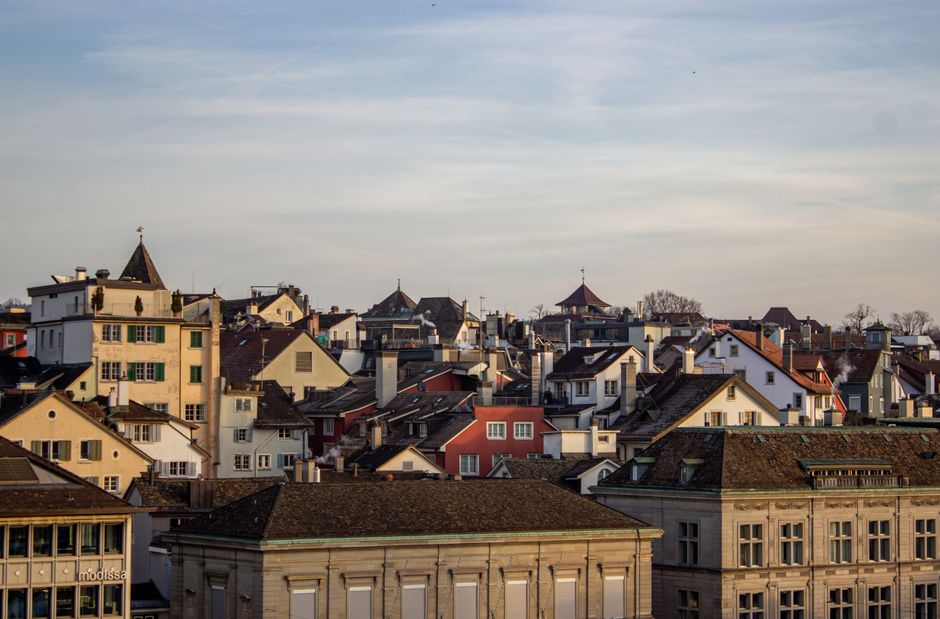
In the heart of Wiedikon, where gentrification and artisanal craftsmanship have quietly reshaped the neighbourhood over the past decade, a modest roastery on Geroldstrasse has become a proving ground for what happens when Swiss precision meets coffee culture ambition.
The business—launched in 2021 with an initial investment of CHF 180,000—now supplies forty-three independent cafés across Switzerland and exports to select retailers in Germany, France, and Austria. The founder's approach reflects a broader shift in how Zurich's micro-entrepreneurs are thinking about scale: not chasing rapid expansion, but building sustainable margins through direct relationships with suppliers and customers.
The operation occupies just forty square metres, yet it processes between 800 and 1,200 kilograms of green coffee beans monthly. Despite warehouse costs averaging CHF 1,800 per month in the Wiedikon area—moderate by Zurich standards—the business has maintained healthy margins by controlling the supply chain directly. The founder sources exclusively from certified farms in Ethiopia, Colombia, and Kenya, cutting out middlemen that typically inflate wholesale prices by thirty to forty percent.
What distinguishes this venture is its commitment to transparency. Every bag sold includes a QR code linking to detailed information about the farm, harvest date, and roast profile. This approach has resonated particularly with the Zurich demographic: affluent consumers aged 28 to 45 who prioritize sustainability and traceability, and who are willing to pay CHF 16 to CHF 22 per 250-gram bag for specialty-grade beans.
The business model has attracted attention from larger distributors, but the founder has resisted acquisition overtures. Instead, growth is measured: a second location opened in Aussersihl last month, and plans exist for a education centre near Europaplatz where customers can learn roasting fundamentals.
The Wiedikon roastery exemplifies a pattern emerging across Zurich's tertiary neighbourhoods. Young entrepreneurs are recognizing that the city's high operating costs—commercial rent, labour, utilities—favour businesses built on expertise rather than volume. The coffee business employs four people full-time and two part-time, with salaries pitched above the median for specialty food production.
As Switzerland's startup ecosystem increasingly focuses on fintech and biotech solutions, the everyday success of operations like this roastery offers a different kind of inspiration: that thoughtfully constructed small businesses can thrive in expensive cities when built on genuine craft and customer commitment.
This article was compiled by AI from the sources linked above and screened before publishing. See our editorial standards.