Zurich's Food and Hospitality Sector Shows Uneven Recovery as Capital Flows Shift
Rising labour costs and changing investment patterns are reshaping where money flows in the city's restaurant and hotel scene.
Rising labour costs and changing investment patterns are reshaping where money flows in the city's restaurant and hotel scene.
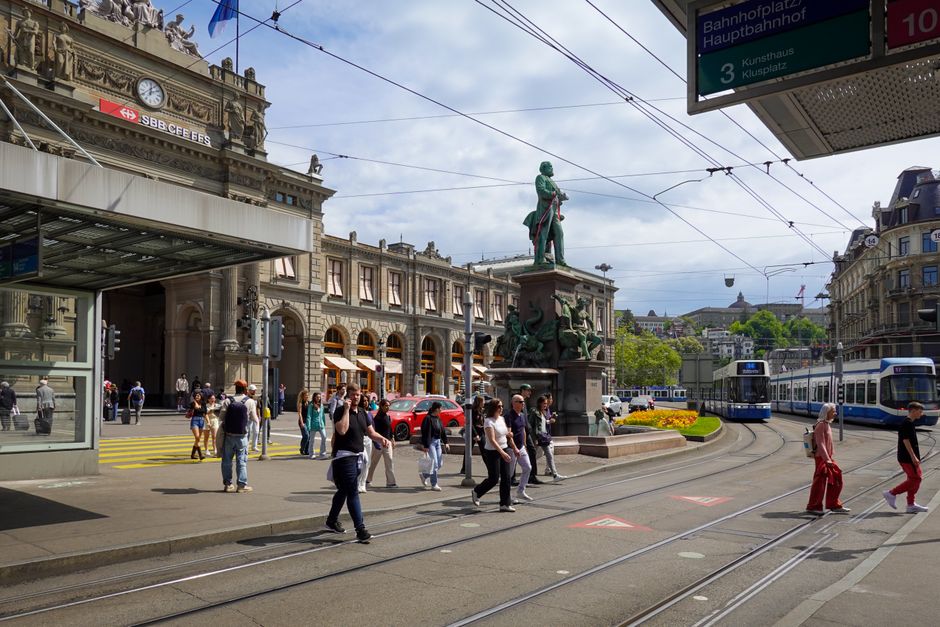
Zurich's retail, hospitality and food sector is sending mixed signals as 2026 progresses, with investment patterns revealing deeper shifts in how capital allocates across the city's neighbourhoods and business models.
Latest data from the Zurich Chamber of Commerce shows that while overall turnover in the hospitality sector grew 3.2% year-on-year through Q1 2026, this masks significant regional divergence. The traditional banking heartland around Bahnhofstrasse and Paradeplatz has seen modest growth, with luxury dining venues reporting steady but unspectacular performance. Meanwhile, emerging areas like Wiedikon and the developing Europaplatz district near the railway station are attracting disproportionate investment capital—a shift reflecting younger demographics and changing expense account dynamics.
The underlying driver is labour cost inflation. Swiss hospitality wages have risen approximately 4.7% annually, outpacing general inflation and squeezing margins at mid-market establishments. This has triggered capital flight toward higher-margin concepts: premium fine dining, speciality food retail, and hotel properties with strong brand recognition. Conversely, traditional neighbourhood restaurants and casual cafés are facing investor hesitation, with several long-standing venues on Münstergasse and around Lindenhof reporting ownership transitions or closures.
Foreign investment patterns tell another story. Data from the Swiss State Secretariat for Economic Affairs shows hospitality FDI inflows declined 18% in the first half of 2026 compared to last year, though this reflects broader global uncertainty rather than local fundamentals. German and Italian investors—traditionally active in Zurich's food scene—have adopted a wait-and-see posture. Meanwhile, Asian hospitality groups have maintained interest, particularly in upscale hotel conversions.
Technology-enabled food retail represents the brightest spot. Ghost kitchens and delivery-focused concepts proliferating around Altstetten and Schlieren are attracting venture capital at valuations that traditional brick-and-mortar operators cannot match. This concentration of capital in delivery infrastructure, combined with wage pressures, suggests the sector is bifurcating: premium, capital-intensive operations in prime locations versus lean, digitally-driven models in secondary areas.
Consumer spending data from retail monitors shows foot traffic on Bahnhofstrasse down 2.3% versus last year, though transactions per visitor have increased slightly—suggesting price-point migration upward. Meanwhile, secondary shopping districts near Hauptbahnhof are holding steady.
For investors and operators, the signal is clear: traditional hospitality economics are tightening. Success requires either commanding premium positioning or embracing operational efficiency through technology. Middle-market generalists face the toughest outlook.
This article was compiled by AI from the sources linked above and screened before publishing. See our editorial standards.
How does this story make you feel?
Spread the word
About this article
Published by The Daily Zurich
Daily brief
Free, in your inbox before 7am. Weekdays.
More in Business