What Zurich Diners and Shoppers Need to Know About This Summer's Hospitality Shift
Staff shortages, rising food costs, and changing consumer habits are reshaping menus and prices across the city—here's what to expect.
Staff shortages, rising food costs, and changing consumer habits are reshaping menus and prices across the city—here's what to expect.

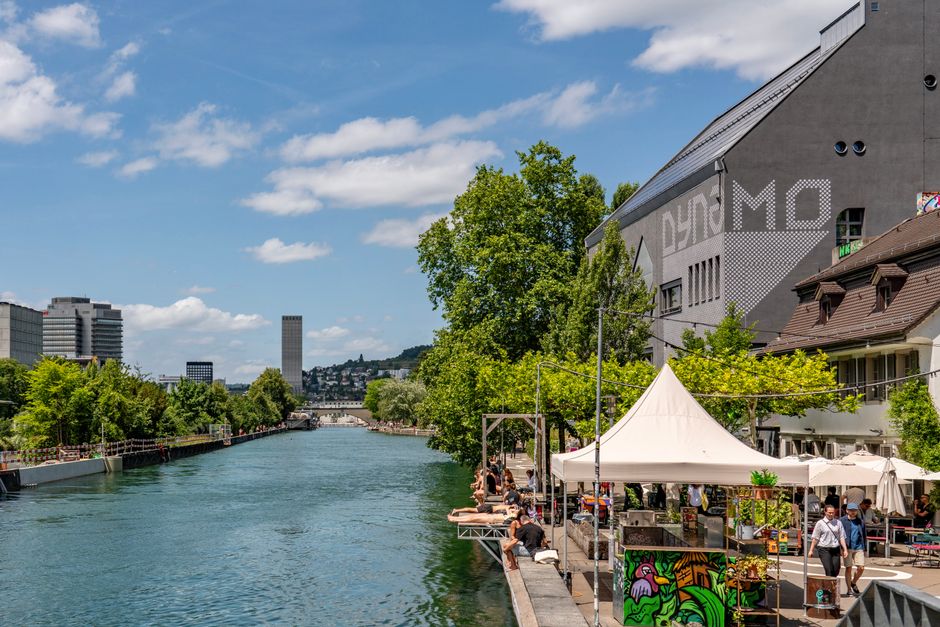
Summer typically brings vibrancy to Zurich's hospitality sector, but residents planning meals along the Limmat or weeknight drinks in Wiedikon should brace for a markedly different landscape than previous years. The Swiss retail and food industry is experiencing a structural realignment that affects everything from how much you'll pay for a café au lait in Europaplatz to availability at your neighbourhood restaurant.
Labour remains the most acute challenge. According to the Swiss Hospitality Association's latest quarterly survey, roughly 23% of establishments across German-speaking Switzerland are operating with reduced staff levels compared to pre-pandemic norms. In Zurich specifically, where service sector wages have climbed alongside the city's cost of living, recruitment has become increasingly difficult. Many venues in districts like Kreis 6 and around Bellevue are adjusting operating hours or limiting table turns rather than hire at unsustainable wage levels.
Food inflation, while moderating nationally, continues affecting daily pricing. Protein costs remain elevated—a factor that explains why many Altstadt restaurants have quietly adjusted portion sizes or increased mains by 12–15% since early 2025. Imported ingredients, particularly European produce and specialty items, face tariff uncertainties that make pricing unpredictable for small operators.
Consumer behaviour itself is shifting. Data from the Zurich Chamber of Commerce indicates that frequency of out-of-home dining has stabilised at roughly 85% of 2019 levels, with a marked pivot toward lunch offerings and casual formats. Fine dining along Bahnhofstrasse remains robust among international visitors, but neighbourhood establishments are seeing stronger demand for takeaway and delivery—categories that require different staffing and margin structures.
What does this mean practically? Expect longer waits during peak hours, particularly at popular venues in Kreis 5 and along the Europaallee. Many restaurants are implementing reservation-only models or asking diners to limit table occupancy time. Coffee shop queues—especially at established spots near the Hauptbahnhof—have lengthened as venues manage smaller teams.
For residents, the advice is straightforward: book ahead when possible, be flexible with timing, and expect prices to reflect genuine cost pressures rather than pure margin-seeking. The sector is adjusting to structural constraints, not temporary disruptions. Small, independent operators—the backbone of Zurich's food scene—are particularly vulnerable, making consumer choice matter more than ever.
By autumn, some stabilisation may emerge, but summer 2026 will test both hospitality workers and the city's diners in equal measure.
This article was compiled by AI from the sources linked above and screened before publishing. See our editorial standards.
How does this story make you feel?
Spread the word
About this article
Published by The Daily Zurich
Daily brief
Free, in your inbox before 7am. Weekdays.
More in Business