What Zurich Residents Really Need to Know About Living Costs in 2026
As inflation pressures persist across Switzerland, locals are adapting their budgets—and some are making harder choices about where to live.
As inflation pressures persist across Switzerland, locals are adapting their budgets—and some are making harder choices about where to live.
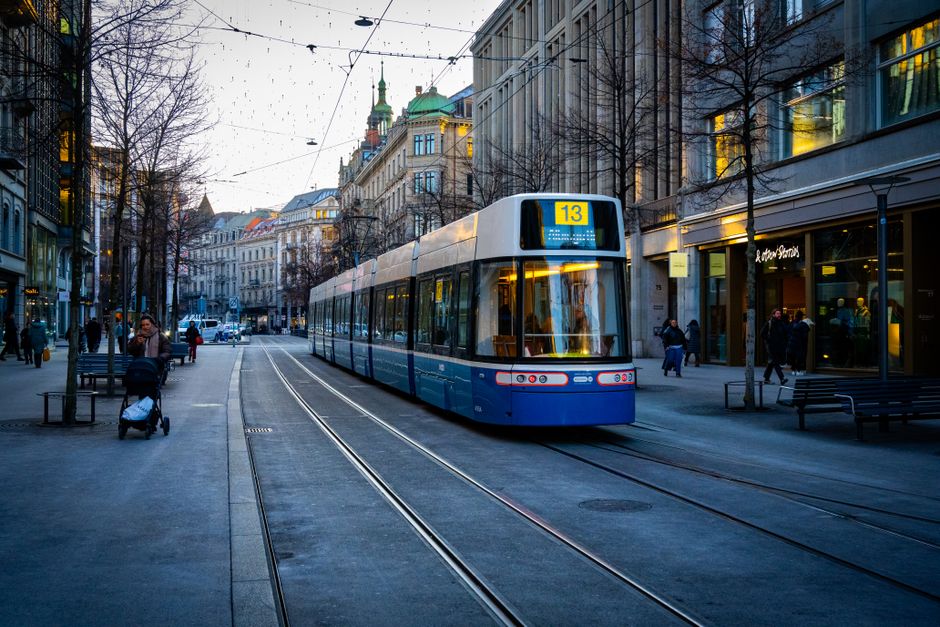
Walking past the gleaming shop windows on Bahnhofstrasse, it's easy to forget that Zurich's reputation for astronomical prices reflects a real squeeze on household budgets. For residents navigating everyday expenses, the past 18 months have brought sobering adjustments.
Groceries remain a flashpoint. A basket of essentials—bread, milk, cheese, meat—now regularly costs 40–50% more than it did five years ago. At Manor and Coop locations across the city, shoppers are noticing price tags that make budget shopping a deliberate strategy rather than an afterthought. A kilogram of local cheese can exceed 25 francs; a litre of milk hovers above 1.80 francs. For families in central districts like Wiedikon and Altstetten, these daily costs compound into significant monthly burdens.
Rent, however, remains the elephant in Zurich's living room. Studio apartments in Kreis 6 and Kreis 7 average 2,200–2,600 francs monthly; a two-bedroom in more desirable neighbourhoods like Seefeld climbs toward 3,500 francs or beyond. This has quietly reshaped where people live. Commuter towns like Winterthur and Thalwil are seeing fresh interest from Zurich workers willing to trade longer train journeys—typically 30–45 minutes on the S-Bahn—for more affordable housing and breathing room in their budgets.
Utilities present another layer of complexity. Electricity and heating bills, which spiked dramatically during the 2024–2025 energy crisis, have stabilized but remain elevated compared to pre-pandemic levels. A typical household expects to spend 150–200 francs monthly on electricity alone during winter months.
Local organisations tracking household finances report that residents are deploying pragmatic coping strategies. The popularity of second-hand markets—both physical venues like the flea markets near Kaserne Basel and online platforms—suggests a cultural shift toward more resourceful consumption. Transit passes and bicycle infrastructure investments have also gained traction, with more commuters ditching cars for practical reasons.
What's critical for Zurich residents to understand is that this isn't temporary. While Switzerland's wage levels remain competitive globally, purchasing power has contracted meaningfully. The SBV Bankenverband's latest household surveys confirm that discretionary spending—dining out, entertainment, travel—has become genuinely discretionary for many middle-income households, rather than routine.
The city remains wealthy by global standards, but the lived reality for ordinary residents involves tighter choices, longer planning horizons, and a growing awareness that Zurich's cost of living is no longer simply expensive—it's structurally challenging for all but the highest earners.
This article was compiled by AI from the sources linked above and screened before publishing. See our editorial standards.
How does this story make you feel?
Spread the word
About this article
Published by The Daily Zurich
Daily brief
Free, in your inbox before 7am. Weekdays.
More in Business