Geopolitical Turbulence Tests Zurich's Small Business Resilience
As global tensions reshape supply chains and currency markets, local entrepreneurs in Zurich's innovation hubs face both headwinds and unexpected opportunities.
As global tensions reshape supply chains and currency markets, local entrepreneurs in Zurich's innovation hubs face both headwinds and unexpected opportunities.
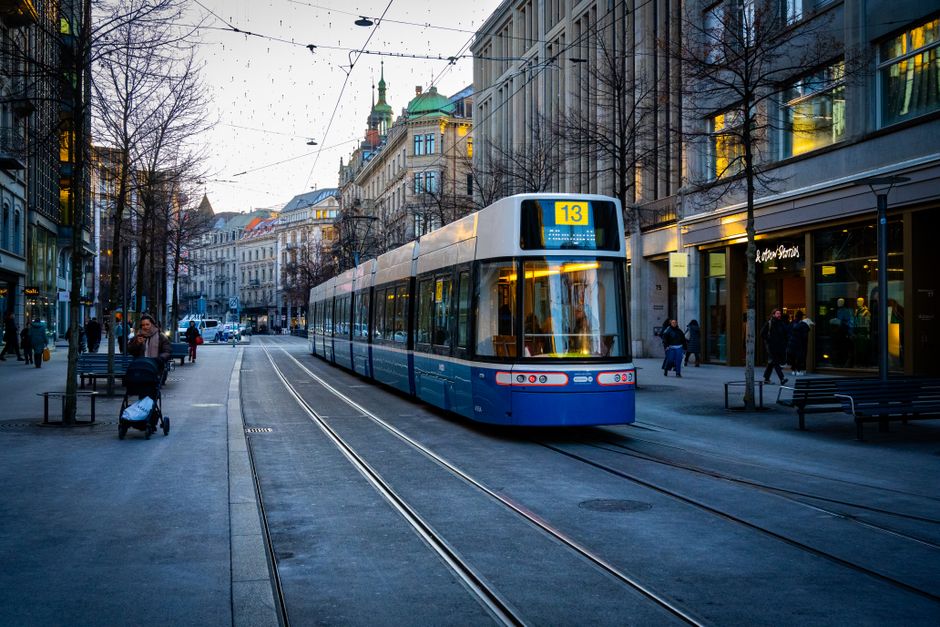
The boutique import business on Bahnhofstrasse has weathered many storms, but the current cascade of global instability is testing owner Marco Keller's operational flexibility in ways he hadn't anticipated. With tensions escalating across multiple regions—from the Middle East to South Asia—Zurich's small business ecosystem faces a peculiar pressure: caught between Switzerland's neutral stance and the realities of interconnected global markets.
The impact is immediate and tangible. Shipping costs from the Iranian corridor have increased by roughly 18-22% since early June, according to logistics operators surveyed in the Europaallee district. For small importers relying on time-sensitive goods, this translates directly to margin compression. Meanwhile, currency volatility has made CHF-denominated contracts increasingly unpredictable—a particular challenge for the 47 registered tech startups clustered around the Viadukt district, many of whom source components internationally.
Yet the picture is more nuanced than simple disruption. Some Zurich businesses are capitalizing on Switzerland's reputation for stability. Sarah Chen, who runs a consulting firm near Bellevue, reports a 31% surge in corporate clients seeking to relocate or diversify operations to Switzerland, citing geopolitical risk mitigation. "Zurich is no longer just a financial hub—it's becoming a safe-haven alternative for operational hubs," she observes.
The humanitarian crises dominating headlines—from Venezuela to the Democratic Republic of Congo—are also reshaping corporate social responsibility priorities. Local NGO coordinators report increased inquiries from Zurich's mid-sized companies interested in supply chain transparency initiatives and ethical sourcing certifications, particularly in sectors like pharmaceuticals and specialty foods.
The Swiss Small Business Association estimates that roughly 62% of registered enterprises in the greater Zurich area maintain some international exposure. For those concentrated in Zurich's financial quarters around the Paradeplatz, currency fluctuations have created both hedging costs and opportunities. For manufacturers in the outer districts like Wiedikon, supply chain delays are eating into production schedules.
What distinguishes Zurich from other global business centers is institutional support. Organizations like the Zurich Chamber of Commerce have accelerated their advisory services, offering risk assessments and diversification strategies tailored to current geopolitical conditions. The message to small entrepreneurs is clear: adaptation, not avoidance, is the strategy.
As we head into the second half of 2026, Zurich's business community is learning an old lesson anew—resilience requires both vigilance and flexibility. The global context isn't abstract; it lives in every invoice, every shipment, and every quarterly forecast.
This article was compiled by AI from the sources linked above and screened before publishing. See our editorial standards.
How does this story make you feel?
Spread the word
About this article
Published by The Daily Zurich
Daily brief
Free, in your inbox before 7am. Weekdays.
More in Business