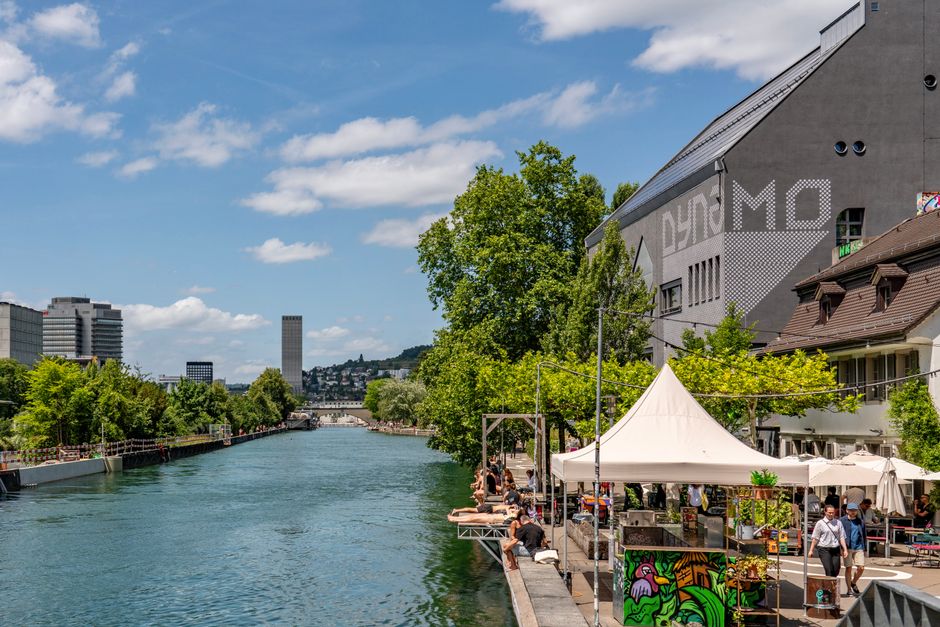
On a Wednesday morning in the Viadukt arcade—that labyrinthine stretch of creative businesses beneath Zurich's railway viaduct in Kreis 5—Stefan Müller is running his hands across a fresh slab of walnut. The 34-year-old entrepreneur, who launched his studio five years ago from a modest 80-square-metre workshop, has just secured orders from three Michelin-starred establishments in France and Germany, a milestone that underscores the quiet revolution happening in Zurich's maker economy.
Müller's journey reflects a broader trend among young Swiss entrepreneurs who are rejecting the traditional path of banking and finance. Instead, they're building value through craft, sustainability, and direct-to-client relationships. His operation, which now employs eight craftspeople, produces bespoke dining tables, service counters, and custom shelving units that command prices ranging from CHF 8,000 to CHF 45,000 depending on complexity and materials.
"The Viadukt was the obvious choice," Müller explains. The neighbourhood—home to over 100 small businesses, studios, and cafés—offers affordability that central Zurich simply cannot match. Monthly rent for his expanded workshop hovers around CHF 2,500, a fraction of what similar space costs in Wiedikon or the city centre. This economic advantage has allowed him to invest heavily in sustainable practices: he sources timber from certified forestries within 200 kilometres of Zurich and uses water-based finishes exclusively.
The timing has proven fortuitous. Post-pandemic, high-end hospitality venues are prioritising locally sourced, artisanal furnishings as a way to differentiate their spaces and tell coherent brand narratives. Müller's pieces—each bearing subtle variations that speak to their handcrafted origins—have resonated with this market shift. His Instagram following has grown from 2,400 to over 18,000 in two years, driving both B2B and residential inquiries.
What distinguishes Müller from competitors is his transparency. He publishes production timelines (typically 12-16 weeks) and maintains relationships with clients through the creation process, hosting occasional open studios at the Viadukt where visitors can observe work in progress. This approach has cultivated fierce loyalty; approximately 40 per cent of his revenue now comes from repeat customers and referrals.
As Zurich's business landscape continues to evolve beyond its traditional banking anchors, entrepreneurs like Müller represent a compelling alternative narrative: one where craft, community, and careful commerce create sustainable prosperity. For small business owners navigating an uncertain economic climate, his model offers a blueprint worth studying.
This article was compiled by AI from the sources linked above and screened before publishing. See our editorial standards.