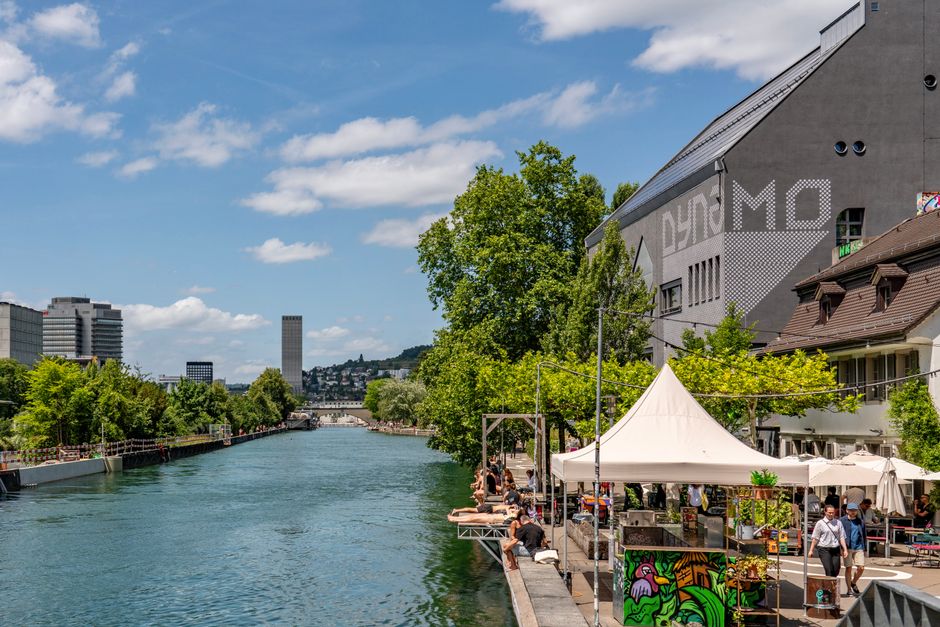
Walk through Wiedikon or Aussersihl these days and you'll notice something shifting in Zurich's economic landscape. Pop-up offices are sprouting alongside artisanal cafés, and the city's venture ecosystem is humming with activity from founders who, five years ago, might have relocated to Zug or Berlin.
The catalyst? A confluence of cantonal and municipal support schemes that have fundamentally altered how aspiring entrepreneurs access capital and mentorship. The Canton of Zurich's expanded SME grant programme, which now distributes roughly CHF 45 million annually, combined with the city's own startup support initiatives, has created an unprecedented wave of business formation. Between 2024 and 2026, Zurich saw a 23% uptick in new business registrations, according to data from the Chamber of Commerce Zurich.
"We're seeing talent being pulled into founding rather than staying in corporate roles," explains the talent recruitment landscape. Mid-level professionals at firms along the Bahnhofstrasse corridor and in the Technopark Zurich are increasingly tempted by founder equity and the autonomy of building something new. Several major financial services employers have quietly raised junior salaries by 8-12% over the past eighteen months—a direct response to this attrition.
The implications ripple through neighbourhoods like Altstetten and Hongg, traditionally overlooked by international firms. Access to CHF 10,000 to CHF 50,000 in non-dilutive grants through the city's startup support office has enabled founders to bootstrap operations without surrendering equity. This accessibility has democratised entrepreneurship beyond Zurich's wealthier districts.
Yet challenges loom. The influx of new ventures is outpacing mentorship capacity. The Zurich Entrepreneur Centre, despite expanded programming, reports being oversubscribed by 40%. Competition for commercial real estate has intensified; co-working spaces in Europaplatz and near the Zurich Innovation Hub command premiums of 15-20% higher than they did two years ago.
Perhaps most significantly, the talent market has bifurcated. Established corporations now compete not just with each other but with dozens of well-funded early-stage ventures offering equity upside. Recruitment managers report longer hiring cycles and higher salary expectations across software development, design, and operations roles.
For Zurich's economy, this restructuring represents both opportunity and growing pains. The city's long-standing strength in finance and pharmaceuticals remains intact, but a parallel ecosystem of leaner, faster-moving companies is taking root. Whether these initiatives ultimately strengthen the city's competitiveness—or fragment its talent base—will define Zurich's economic character for the next decade.
This article was compiled by AI from the sources linked above and screened before publishing. See our editorial standards.