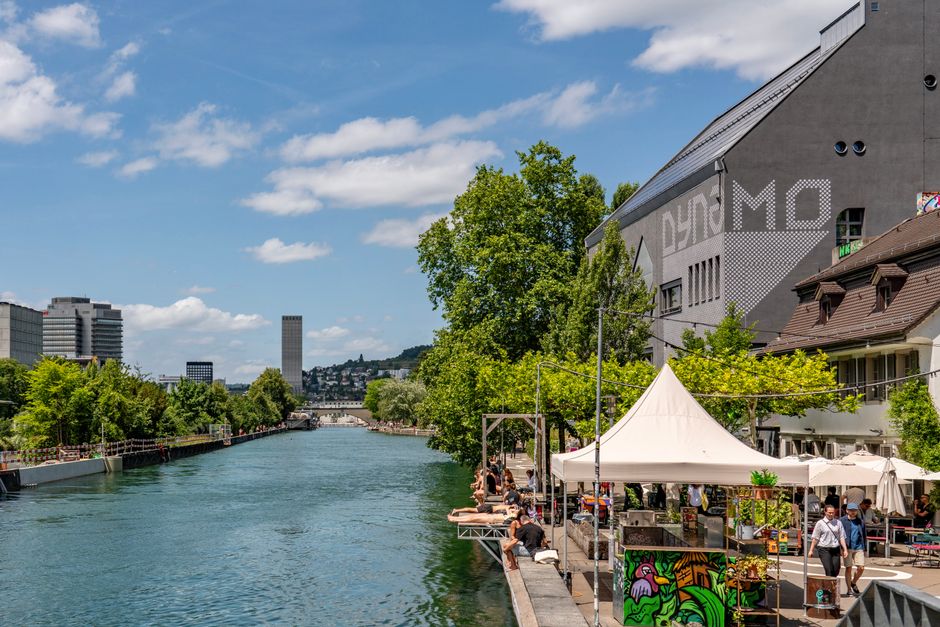
Zurich's casual dining landscape has undergone a quiet revolution over the past three years, driven largely by entrepreneurs willing to challenge the city's traditionally conservative food culture. One standout figure in this shift is the growing network of vendors and small restaurateurs who have transformed neighbourhood pockets from Wiedikon to Aussersihl into destinations for affordable, ethically-sourced meals—a stark contrast to the Swiss capital's reputation for premium pricing and French-influenced fine dining.
The trend reflects broader economic pressures. According to recent data from the Swiss Hotel and Catering Association, independent restaurants in the greater Zurich area faced an average 12-15% margin squeeze between 2023 and 2025, forcing operators to innovate rapidly. Those focusing on high-volume, lower-cost-base models—particularly in the casual segment—have weathered the downturn more successfully than traditional full-service establishments.
What distinguishes the current wave is an explicit commitment to sustainability and local sourcing. Several emerging players have built their models around direct relationships with Swiss farmers and producers, reducing supply-chain complexity while supporting local agriculture. This approach, once considered economically impractical for casual venues, now attracts conscious consumers willing to pay a modest premium—typically 15-20% above budget fast-casual chains—for transparency and quality.
The Europaallee district has become a focal point for this activity. The neighbourhood's redevelopment from industrial space into a mixed-use hub has created affordable retail opportunities that attract entrepreneurs priced out of traditional retail zones like Bahnhofstrasse or the Altstadt. Venues operating from converted warehouse spaces or modular units can operate with significantly lower overhead than brick-and-mortar establishments in premium locations.
Staffing remains a persistent challenge across the sector. Zurich's hospitality industry continues to grapple with wage expectations—entry-level positions in food service typically start at CHF 24-26 per hour, substantially above neighbouring regions—and labour availability. Operators who have implemented training partnerships with local vocational schools and offered structured career pathways have reported better retention rates and team stability.
Looking ahead, industry observers suggest the next phase of growth will likely involve consolidation and scaling. Several successful independent operators have begun franchising or licensing their concepts to trusted partners, a model that allows capital-light expansion while maintaining quality standards. Whether this sector can sustain its current momentum without sacrificing the authenticity and local embeddedness that define its appeal remains the defining question for Zurich's food entrepreneurs.
This article was compiled by AI from the sources linked above and screened before publishing. See our editorial standards.