Why Your Grocery Bill and Morning Coffee Depend on Global Trade You'll Never See
As geopolitical tensions reshape supply chains, Zurich residents are discovering how distant conflicts directly affect what they pay at the till.
As geopolitical tensions reshape supply chains, Zurich residents are discovering how distant conflicts directly affect what they pay at the till.
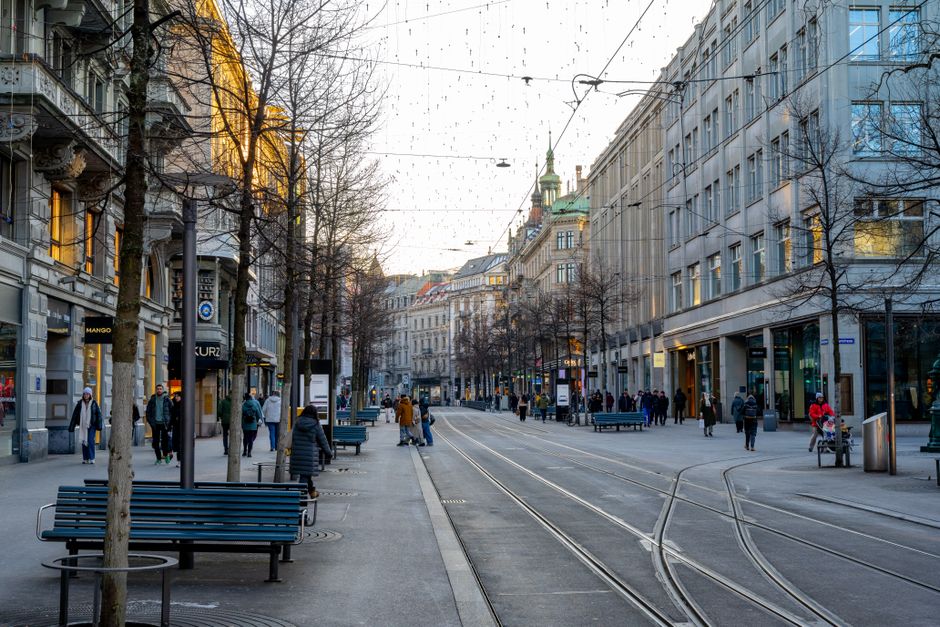
Walk into any Migros on Bahnhofstrasse or the Coop on Limmatquai, and you're holding the end result of dozens of international trade relationships most shoppers never consider. Yet today's fractured global order means those invisible connections—and disruptions to them—are hitting your wallet harder than ever.
Switzerland imported 8.2 billion francs' worth of agricultural products last year, with roughly 60% coming from countries now experiencing political instability or trade friction. When Pakistan strikes Afghanistan, when Iran flexes control over the Strait of Hormuz, or when African nations face health crises that disrupt logistics, Swiss consumers feel it almost immediately.
Take coffee. A standard 250-gram bag at Manor on Bahnhofplatz now costs around 12-15 francs—up nearly 40% since 2022. Vietnam, Brazil, and Colombia account for two-thirds of Switzerland's imported coffee beans. Last month, new U.S. tariff threats on South American goods spooked traders. Within days, prices ticked upward across Swiss retailers. Most customers assumed it was seasonal; it wasn't.
Or consider electronics and pharmaceuticals—sectors where Switzerland has deep supply-chain exposure. A single disruption in the Middle East shipping lanes can delay deliveries from Asian manufacturers by weeks, forcing Swiss retailers to scramble or absorb costs that eventually reach consumers.
What should everyday residents understand? First, your local prices reflect global power plays. Second, trade isn't abstract—it touches food, medicine, and energy. Third, Switzerland's prosperity depends on open, predictable trade relationships that are becoming increasingly fragile.
The Swiss business community, concentrated in areas like the Europaallee development and the financial district around Paradeplatz, is intensely focused on this. The Zurich Chamber of Commerce recently warned that geopolitical fragmentation could reduce Swiss export revenues by up to 15% within three years if key trading corridors destabilise.
What can residents do? Stay informed about global headlines—they're not distant news. Support transparency initiatives pushing companies to map supply chains. Consider buying local where feasible, though recognise that's a partial solution in a deeply interconnected economy.
The takeaway: your morning cappuccino, your pharmacy prescription, your smartphone—all depend on a global system currently under strain. Understanding that connection isn't just good economics; it's essential citizenship in 2026.
This article was compiled by AI from the sources linked above and screened before publishing. See our editorial standards.
How does this story make you feel?
Spread the word
About this article
Published by The Daily Zurich
Daily brief
Free, in your inbox before 7am. Weekdays.
More in Business