From Kreis 5 to Global Markets: How One Zurich ...
A former engineer's venture in the city's innovation quarter is attracting millions in venture capital and positioning Switzerland as a leader in industrial decarbonisation.
A former engineer's venture in the city's innovation quarter is attracting millions in venture capital and positioning Switzerland as a leader in industrial decarbonisation.
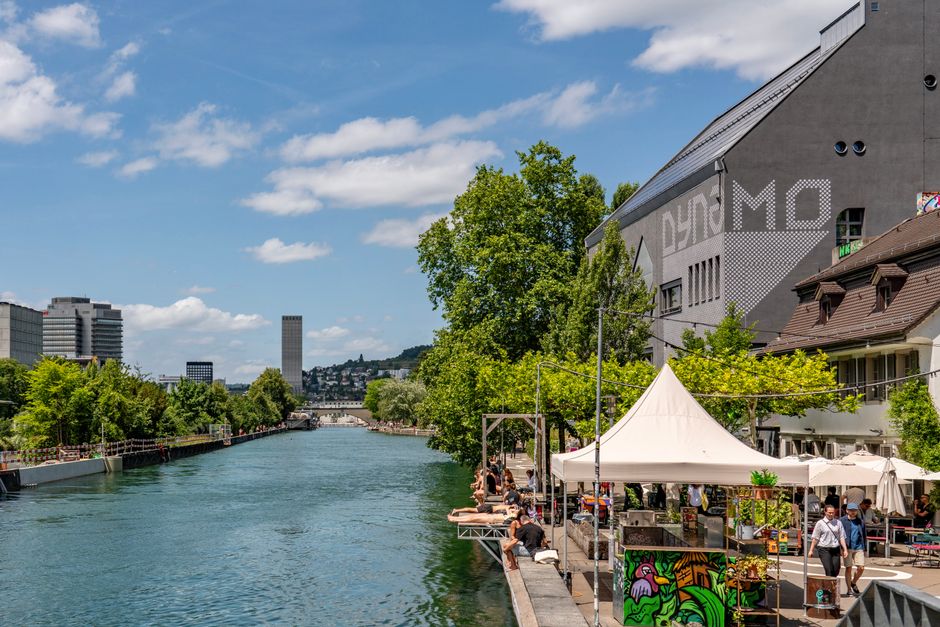
On a quiet Thursday afternoon in the Zurich Innovation District along Europaallee, a 32-year-old founder sits in a converted warehouse office overlooking the Limmat, explaining how her company plans to capture carbon from cement factories across Europe. The startup, which launched from a modest 200-square-metre space in Kreis 5 just three years ago, now employs 24 people and has secured €18 million in Series A funding.
This quiet success story exemplifies Zurich's evolving startup landscape. While the city remains synonymous with banking and finance, its innovation ecosystem has undergone substantial transformation. According to the latest Swiss Startup Monitor, Zurich now hosts over 2,800 active startups—a 34 per cent increase since 2020—with climate technology and deep tech sectors accounting for nearly 28 per cent of new ventures launched here.
The entrepreneur's journey mirrors a broader pattern: she studied mechanical engineering at ETH Zurich, spent five years in corporate R&D, and eventually took the leap into founding. "The talent here is extraordinary, but for too long it stayed trapped in large corporations," she reflected during our conversation at Impact Hub, the co-working space in Kreis 4 that has become a unofficial headquarters for the city's climate tech community.
Her venture is hardly alone. Zurich's startup density—particularly along the Hardbrücke corridor and around the Zurich Technology Park—rivals Berlin and Amsterdam. Rents for office space in these emerging quarters run roughly 35–45 francs per square metre annually, significantly cheaper than traditional Bahnhofstrasse locations, yet within reach of ambitious founders.
Several structural advantages fuel this momentum. ETH Zurich's technology transfer office has streamlined spinoff procedures. The city's venture capital community—including established funds like Founderful and newer players—has committed over 400 million francs to Swiss tech startups in 2025 alone. Moreover, proximity to both German industrial markets and international talent via Zurich's airport provides strategic logistical advantages.
What distinguishes this moment from previous hype cycles is durability. Failed ventures from the early 2020s tech downturn have been replaced by founders focused on unit economics and sustainability—literal and figurative. The city's regulatory environment, though not permissive by Silicon Valley standards, has proven stable and predictable, attracting founders seeking long-term footing rather than quick exits.
As global supply chains increasingly demand decarbonised production, Zurich's cluster of climate tech entrepreneurs sits at a genuine inflection point. The question is no longer whether the city can sustain an innovation ecosystem, but whether it can scale one fast enough to meet the talent and capital now flowing its way.
This article was compiled by AI from the sources linked above and screened before publishing. See our editorial standards.
How does this story make you feel?
Spread the word
About this article
Published by The Daily Zurich
Daily brief
Free, in your inbox before 7am. Weekdays.
More in Business