Zurich's visitor economy is experiencing a remarkable resurgence, with overnight stays reaching 13.8 million in 2025—a 22% increase from 2019 levels, according to Zurich Tourism. The surge is reshaping the business landscape across the city's most vibrant quarters, creating fresh opportunities for entrepreneurs and established players alike.
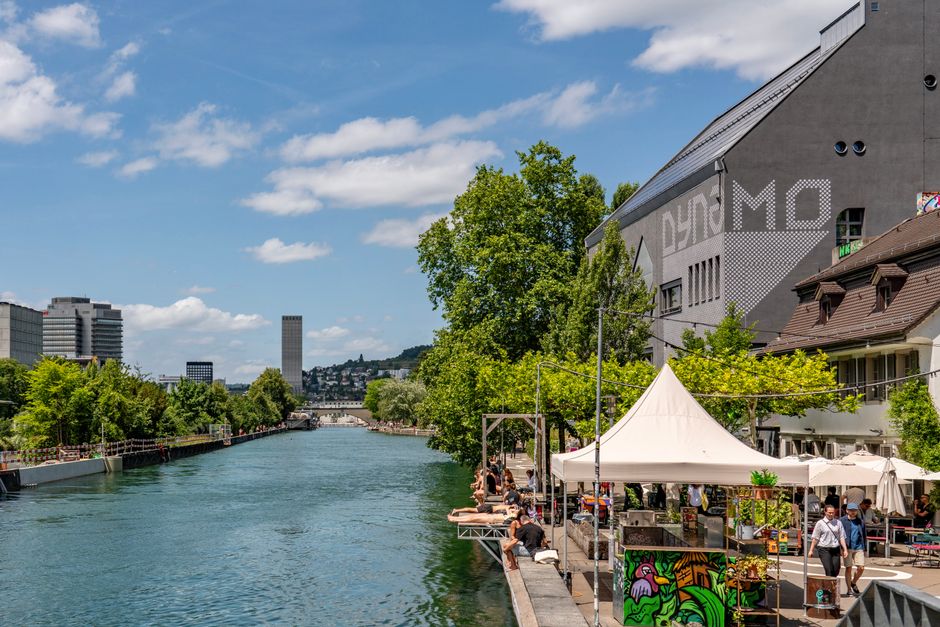
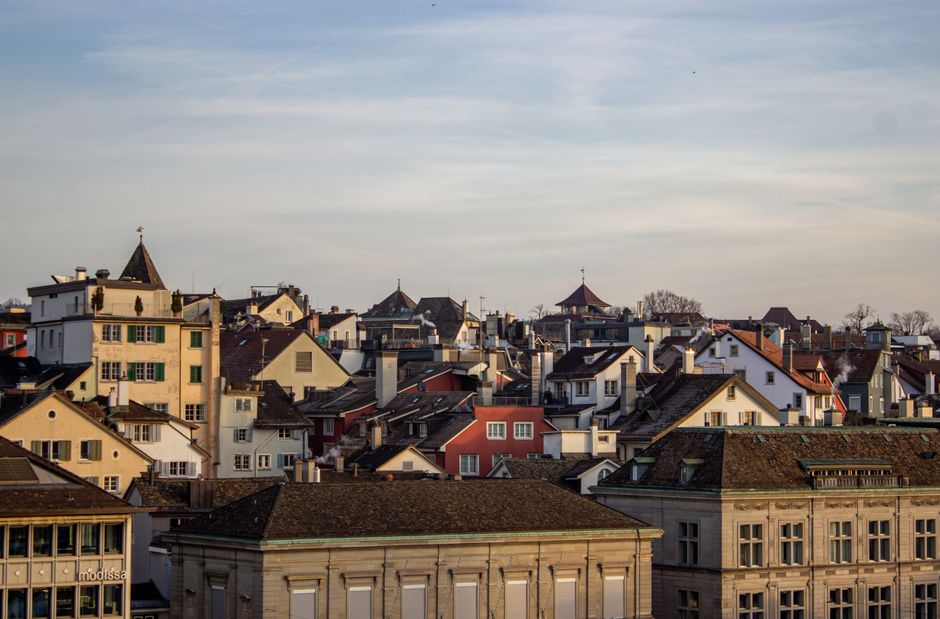
The transformation is most visible in the Altstadt, where independent hoteliers and boutique operators are thriving. The Storchen Hotel, positioned directly on the Limmat with views of Grossmünster, has expanded its conferencing capacity to capture the lucrative business traveler segment, while smaller properties like Boutique Hotel Spiralhof in the medieval quarter are reporting occupancy rates above 85% during peak season. Room rates in the city center have climbed to an average of 320 CHF nightly, up from 265 CHF in 2022.
Beyond accommodation, the cultural sector is capitalizing on extended visitor stays. The Kunsthaus Zürich, already a world-class institution, has seen international visitors increase by 31% year-on-year. Meanwhile, emerging galleries in the Zürich-West neighborhood—historically an industrial zone now brimming with creative enterprises—report strong foot traffic from tourists seeking authentic, off-the-beaten-path experiences. The district's conversion into a cultural hub has attracted investment from both local collectors and international art investors.
Gastronomic enterprises represent another beneficiary. Fine dining establishments along the Bahnhofstrasse and in Wiedikon are experiencing sustained demand, while casual eateries and concept restaurants targeting younger visitors have proliferated. Restaurant groups report that foreign diners now account for 45% of evening service customers, compared to 28% in 2020.
Transport operators and tour companies have expanded accordingly. Zurich's tram system, already efficient, handles approximately 180,000 additional daily commuter equivalents during summer months. Local tour operators specializing in day excursions to the Uetliberg, Rigi, and surrounding Alpine regions report booking windows extending three months in advance.
Convention Bureau data indicates that corporate events and conferences generate the highest spending per visitor—approximately 510 CHF daily compared to 340 CHF for leisure travelers. This has prompted major hotel chains to invest heavily in meeting infrastructure.
Yet challenges remain. Labor shortages in hospitality persist, with wages rising 12% annually in the sector. Infrastructure capacity during peak season strains public services, and local residents increasingly voice concerns about overtourism in popular quarters.
Nevertheless, for agile businesses—from family-run guesthouses to innovative service providers—Zurich's tourism windfall offers genuine wealth creation opportunities, provided they can navigate staffing challenges and maintain the quality standards that make the city attractive.
This article was compiled by AI from the sources linked above and screened before publishing. See our editorial standards.