Zurich's Hospitality Sector Braces for Headwinds as Labour Costs and Consumer Caution Bite
Rising wages, staffing shortages, and cautious consumer spending are squeezing margins across the city's restaurants, hotels, and retail outlets.
Rising wages, staffing shortages, and cautious consumer spending are squeezing margins across the city's restaurants, hotels, and retail outlets.
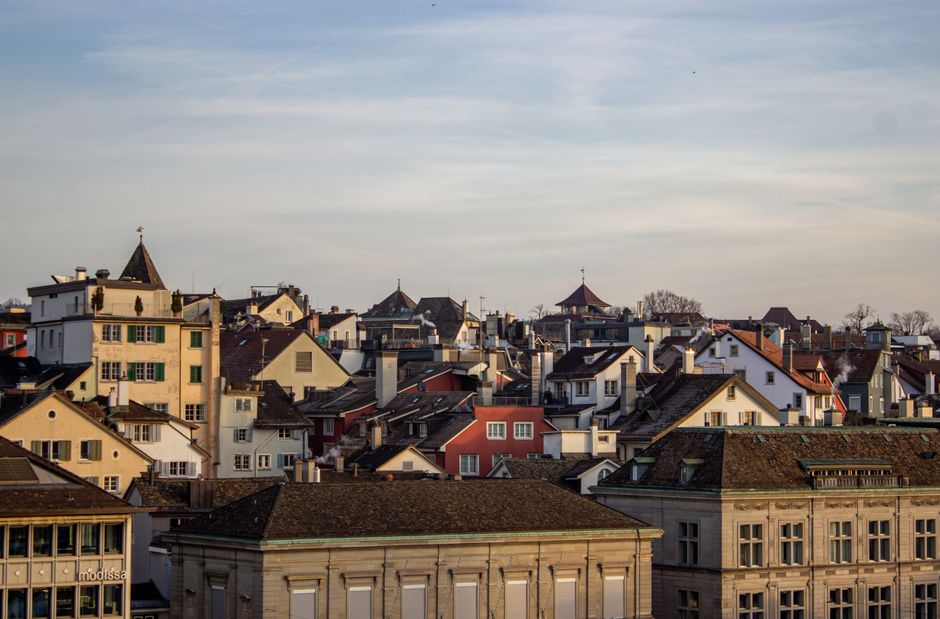
Zurich's vibrant hospitality and food sector faces a perfect storm of challenges as 2026 enters its second half. From the cobblestone lanes of the Altstadt to the upscale dining precincts around Bahnhofstrasse, operators are grappling with persistent labour shortages, escalating wage pressures, and a notably more circumspect consumer base compared to the buoyancy of previous years.
The hospitality workforce crisis remains acute. According to industry bodies, Swiss hotels and restaurants report vacancy rates hovering between 12 and 15 per cent—above historical averages. Meanwhile, minimum wages for service staff in the canton have climbed to approximately CHF 23 per hour for experienced workers, up from CHF 21 just eighteen months ago. For mid-sized establishments, labour now consumes 32-35 per cent of operational budgets, compared to 28-30 per cent pre-pandemic.
"We're seeing real strain," notes the sentiment echoing through associations tracking the sector. Venues along Limmatquai and in the Zurichberg district report difficulty retaining kitchen staff and front-of-house teams, with many workers drawn to neighbouring industries or departing Switzerland entirely for better opportunities abroad.
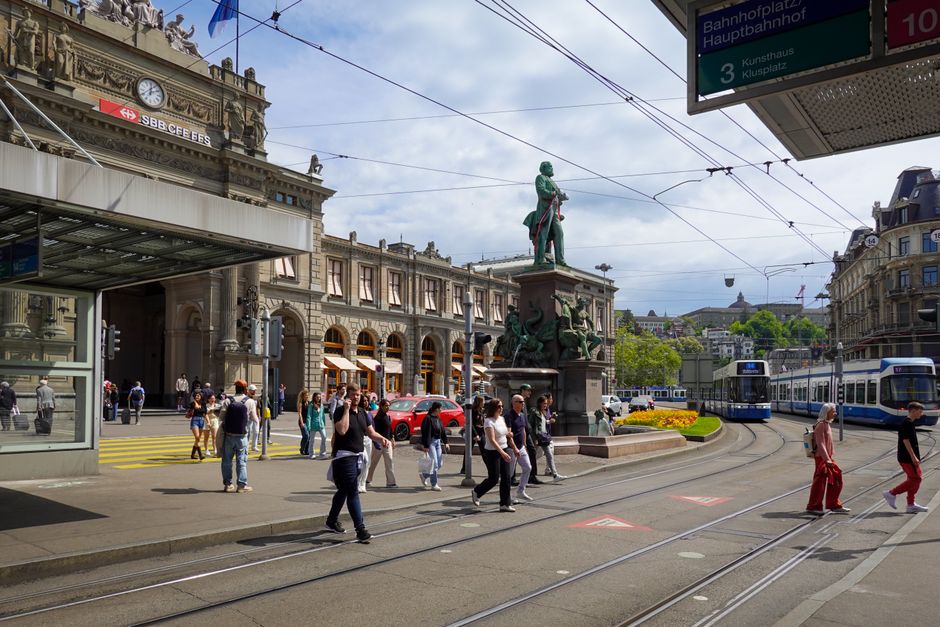
Consumer behaviour has shifted markedly. Retail footfall in the city's primary shopping corridors—particularly around Europaplatz and along the Bahnhofstrasse—has declined 8-10 per cent compared to the same period last year. Visitors are spending more cautiously, with average transaction values in independent restaurants and cafés down roughly 6 per cent. The premium segment remains resilient, but mid-market establishments report compressed margins and tighter cash flow.
Food cost inflation presents another burden. While commodity prices have stabilised compared to 2024, energy expenses for refrigeration and kitchen operations remain elevated. Supply chain pressures persist, particularly for imported specialities and seasonal ingredients, forcing operators to make uncomfortable choices between absorbing costs or passing them to customers.
The retail side faces distinct headwinds. Foot traffic in neighbourhood shopping areas like Wiedikon and Aussersihl has contracted as consumers increasingly shift purchases online. Independent clothing retailers and small fashion boutiques report inventory challenges and slower turnover, while rent—a fixed burden in Zurich's high-cost environment—has remained largely unmoved downward.
Some operators are adapting strategically, emphasising local sourcing, streamlining menus to reduce complexity and waste, and investing selectively in technology to offset labour constraints. Yet the consensus among sector practitioners remains one of cautious anxiety as the year progresses and economic headwinds show little sign of abating.
This article was compiled by AI from the sources linked above and screened before publishing. See our editorial standards.
How does this story make you feel?
Spread the word
About this article
Published by The Daily Zurich
Daily brief
Free, in your inbox before 7am. Weekdays.
More in Business