As Geopolitical Chaos Mounts, Zurich's Business Elite Faces a New Era of Investment Volatility
From Venezuelan aftershocks to Iranian brinksmanship, global instability is reshaping how Swiss companies manage risk and cost structures.
From Venezuelan aftershocks to Iranian brinksmanship, global instability is reshaping how Swiss companies manage risk and cost structures.
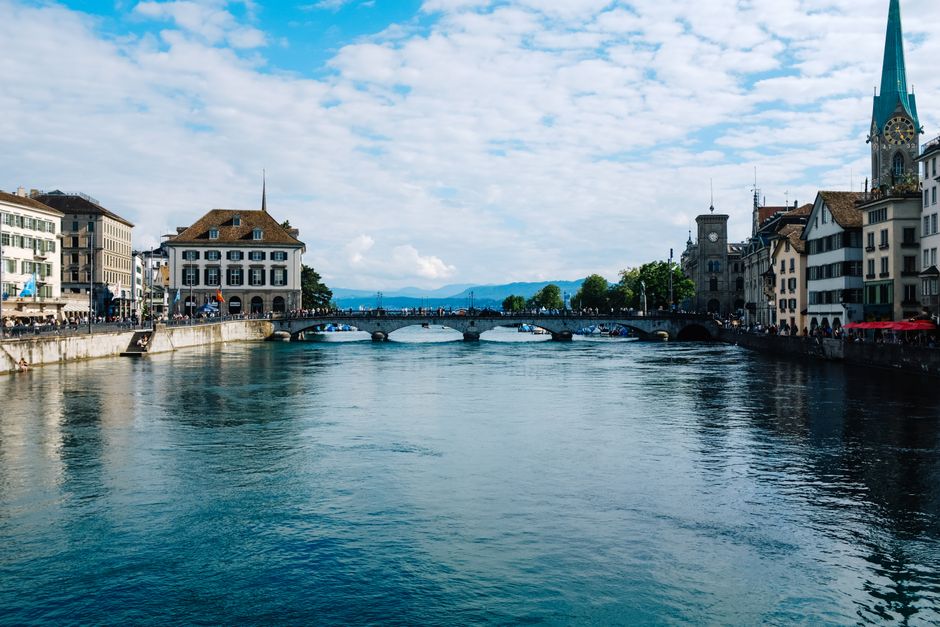
The coffee at Sprüngli on Bahnhofstrasse tastes the same as it did six months ago, but the conversation among Zurich's business establishment has fundamentally shifted. As geopolitical tensions escalate from the Middle East to South Asia, and humanitarian crises ripple across Venezuela and the Congo, local companies are confronting an uncomfortable reality: the stable investment climate that has long anchored Switzerland's prosperity is fracturing.
The impact is already visible on the ground. Mid-sized exporters in the Zurich-Nord industrial corridor report that shipping costs to Iran have surged unpredictably as sanctions rhetoric intensifies, while supply chain partners in Pakistan face disruption following cross-border military operations. For businesses reliant on emerging markets—particularly those with operations in West Africa—the Ebola outbreak tracking across the Democratic Republic of Congo has triggered immediate protocol reviews and contingency planning.
"We're not talking about theoretical risk anymore," says one asset manager working along Löwenstrasse, requesting anonymity. "Every client meeting now includes geopolitical scenario planning that simply wasn't necessary two years ago."
The cost-of-living implications for Zurich itself remain indirect but significant. Energy price volatility tied to Middle Eastern tensions has already nudged residential heating costs upward by an estimated 4-6% compared to last year, according to preliminary data from the Statistical Office of the Canton of Zurich. For a typical three-bedroom apartment in Wiedikon or Aussersihl, this translates to an additional CHF 80-120 monthly.
Swiss banks—the backbone of Zurich's financial ecosystem—are recalibrating their emerging-market exposure. The rejection of Trump's final appeal in the Carroll case has further unsettled investors seeking clarity on U.S. policy direction, particularly regarding sanctions and trade arrangements that affect Swiss multinationals.
What distinguishes Zurich's position is institutional resilience. Unlike financial centres more directly exposed to geopolitical flashpoints, Switzerland's neutral status and diversified economy provide buffers. Yet the margin for complacency has narrowed. Companies in the pharmaceutical sector, concentrated in the Basel-Zurich corridor, face supply chain recalculation. Insurance firms headquartered around the Bahnhofplatz are stress-testing underwriting models for scenarios that seemed remote eighteen months ago.
The message filtering through Zurich's business district is clear: global stability cannot be assumed. Adaptation is not optional. For a city built on precision, predictability, and the confidence of international investors, that represents a notable psychological shift—one that will likely reshape investment strategies, operational costs, and talent retention strategies throughout 2026 and beyond.
This article was compiled by AI from the sources linked above and screened before publishing. See our editorial standards.
How does this story make you feel?
Spread the word
About this article
Published by The Daily Zurich
Daily brief
Free, in your inbox before 7am. Weekdays.
More in Business