Zurich's visitor economy is experiencing a curious summer moment. Hotel occupancy across the city centre—from the Bahnhofstrasse corridor to the quieter charm of Wiedikon—remains respectable by historical standards, yet bookings are arriving later and with less predictability than the optimistic forecasts of 2024 suggested.
New data from Switzerland's State Secretariat for Economic Affairs shows that international overnight stays in the Zurich metropolitan area grew just 3.2 per cent year-on-year in the first half of 2026, compared to the robust double-digit growth seen in 2024 and 2025. More troubling for business operators: the composition of visitors has shifted dramatically. American tourists, once the bedrock of high-spending leisure travellers along Bahnhofstrasse's luxury boutiques and the five-star hotels near Lake Zurich, now represent a declining share of arrivals. Regional European visitors and domestic Swiss tourists have partially filled the gap, though they typically spend less per night.
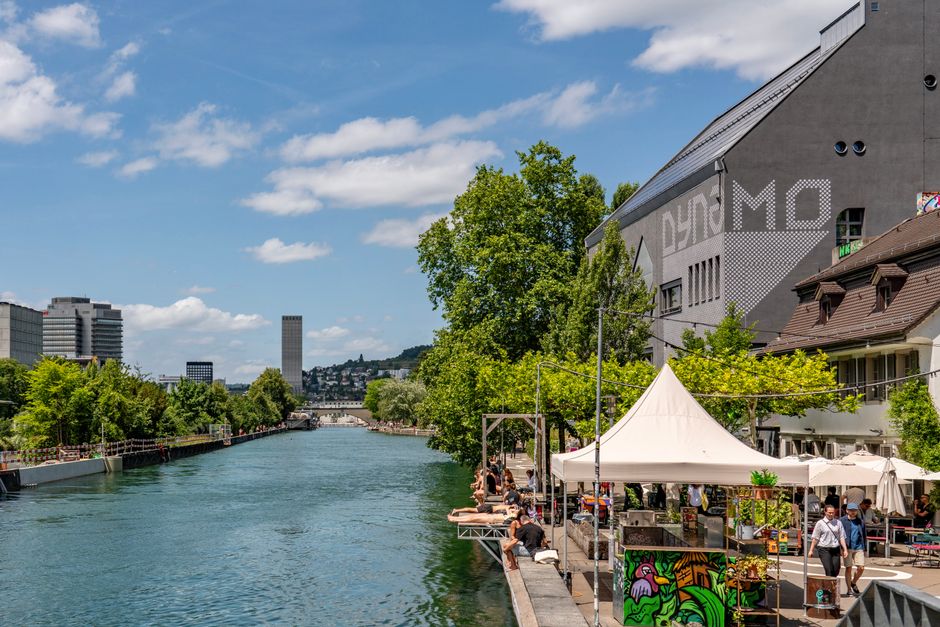
The ripple effects are already visible. Mid-range hotels in districts like Altstetten and Aussersihl report stronger margins than their premium competitors. Tour operators clustering around Central Station are pivoting from traditional coach-tour packages toward shorter, activity-focused experiences—kayaking on the Limmat, walking tours in Kreis 6—rather than multi-day stays. Meanwhile, high-end dining establishments on Rämistrasse have noted softer reservation books during peak season, a development few anticipated eighteen months ago.
For retailers and hospitality businesses, the strategic implications are clear. The era of predictable, volume-based recovery has ended. Hotels must now compete fiercely on experience and value rather than brand prestige alone. The city's convention and meetings sector—typically more stable—remains robust, with several major conferences booked through 2027, but leisure travel increasingly demands differentiation.
Currency volatility plays a supporting role. The Swiss franc's strength against the dollar has made Switzerland more expensive for American visitors precisely when competing destinations in Portugal and Central Europe offer better perceived value. Business leaders acknowledge this headwind is likely to persist.
Local hospitality associations are quietly updating their 2026 forecasts downward. The consensus now suggests flat-to-modest growth for the calendar year, with autumn and winter bookings remaining uncertain. For Zurich's tourism ecosystem—hotels, restaurants, shops, museums—the message is unmistakable: adaptation and targeted marketing are no longer optional luxuries. They are operational necessities.
This article was compiled by AI from the sources linked above and screened before publishing. See our editorial standards.