Zurich Tourism Impact on Rent: 2025 Housing Crisis
Zurich's 3.8M visitors surge is raising rents and shrinking long-term apartments. Here's how tourism reshapes housing, prices, and daily life for residents.
Zurich's 3.8M visitors surge is raising rents and shrinking long-term apartments. Here's how tourism reshapes housing, prices, and daily life for residents.
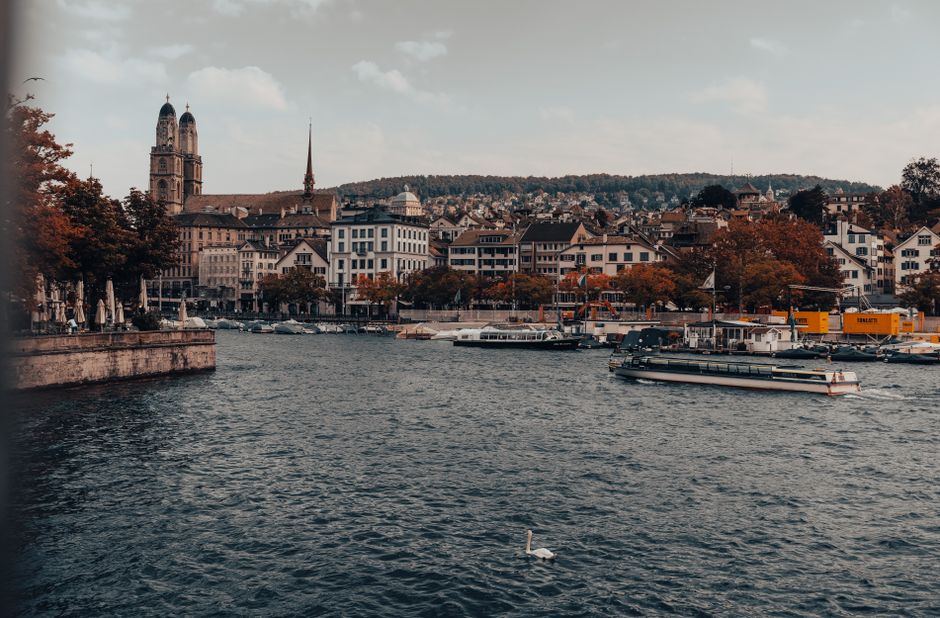
Zurich welcomed 3.8 million overnight visitors last year—a 12 percent jump from 2024. On the surface, that's excellent news for hoteliers and restaurants. But for the 400,000 people who actually live here, the tourism surge carries consequences worth understanding.
Start with housing. The proliferation of short-term rental apartments—particularly in Wiedikon, Aussersihl, and around Langstrasse—has tightened long-term rental availability. Property managers increasingly prefer the steady cash flow of Airbnb-style bookings to traditional leases. Swiss real estate portal Immoscout reports that median apartment rents in central Zurich have climbed to 2,850 CHF monthly for a two-bedroom, up nearly 8 percent since 2023. Tourism isn't the only culprit, but it's a significant one.
Then there's the everyday disruption. Bahnhofstrasse, the world's most expensive retail mile, now moves at the pace of camera-wielding crowds during peak hours. Local shoppers increasingly visit on weekday mornings or abandon the street entirely for quieter districts like Zürichberg or the Sihl Valley. Popular cafés around the Fraumünster and St. Peter's Church have lengthened wait times, with peak-season tables often reserved exclusively for hotel guests.
Restaurant economics matter too. Tourist-heavy venues in Altstadt command premium pricing: a simple pasta dish runs 32–38 CHF, while neighbourhood spots in Wiedikon or Hongg charge 18–24 CHF for similar fare. This creates a two-tier dining culture. Real estate and hospitality businesses thrive; wage earners subsidise the gap.
But there are genuine benefits. The visitor economy generates roughly 18 billion CHF annually for the broader Swiss economy, with Zurich as the primary engine. That supports thousands of jobs across hospitality, transport, and services—sectors that employ many residents. Tax revenue from tourism-related businesses funds public infrastructure, schools, and cultural institutions that locals depend on.
The key tension: Zurich is succeeding at tourism precisely because it's a beautiful, walkable, high-quality city. But mass tourism can erode those very qualities. Overcrowding at landmarks like Uetliberg or congestion on tram lines during summer affects resident quality of life. The 2,000-plus hotels and guesthouses competing for space with residents create genuine planning conflicts.
Smart residents should monitor municipal discussions about short-term rental regulations, which several Swiss cities are tightening. Zurich hasn't yet capped Airbnb listings the way Vienna and Barcelona have, but pressure is building. The conversation isn't about rejecting tourism—it's about managing it so the city remains liveable for the people who call it home.
This article was compiled by AI and screened before publishing. See our editorial standards.
How does this story make you feel?
Spread the word
About this article
Published by The Daily Zurich
Daily brief
Free, in your inbox before 7am. Weekdays.
More in Business