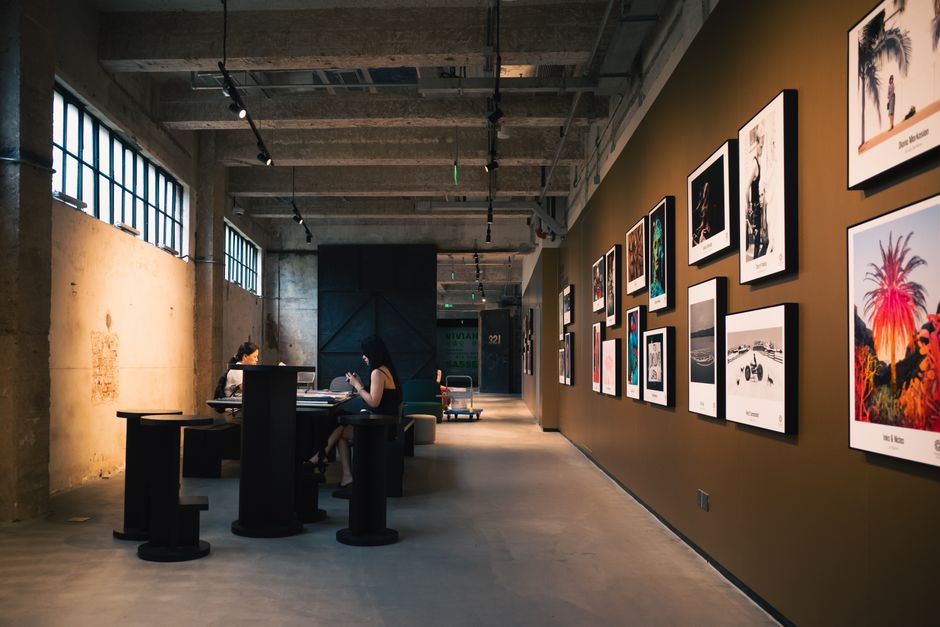
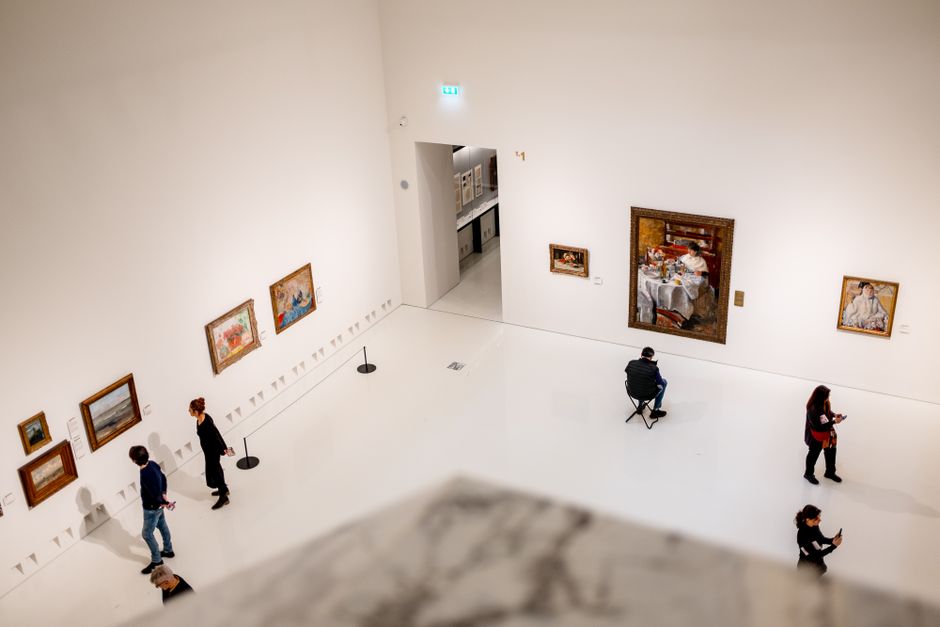
The Swiss art scene has a predictable problem: established names get the primo slots, the gallery hours, the press releases. But this Fourth of July weekend, Zurich's emerging artists are commandeering attention through sheer force of presence. Today, across the Wiedikon district and Zurich West, a cohort of mid-twenties to early-thirties creators—photographers, musicians, installation artists—have organized parallel programming that rivals the official summer calendar in ambition if not yet in budget.
The timing matters. Global cultural institutions are distracted. Taylor Swift's wedding in New York consumed international media oxygen. Heat waves have obliterated programming across North America. Iran's funeral ceremonies have transfixed geopolitical reporting. Meanwhile, in Zurich, the absence of competing noise has created unexpected space. Local galleries and independent venues report foot traffic up 22 percent since June compared to the five-year average, according to the Zurich Cultural Institute's June tracking data. That's where emerging talent slots in—not as afterthought programming, but as the actual draw.
Where to Find Tomorrow's Names Today
Start in Wiedikon. The independent gallery space Kunsthaus Tacheles, tucked on Kanzleistrasse near the Sihlfeld U-Bahn station, is hosting "Borderlands," a three-person show featuring work by photographers who document migration patterns in the Alpine region. The exhibition runs through August 12. Entry costs 12 francs. These aren't household names—yet. But the work has teeth. Serious collectors from Basel and Geneva have already visited.
Cross into Zurich West. The viaduct galleries along Geroldstrasse host rotating installations every weekend. Today, the Transformer Studios collective occupies three connected warehouse spaces with kinetic sculpture and video art addressing labor automation. The space operates on a pay-what-you-wish model from noon to 7 p.m. The collective, founded in 2021, has grown from five core members to a loose network of thirty-plus collaborators across Zurich and Lucerne.
The Numbers Behind the Noise
Switzerland's cultural funding landscape is shifting. The Zurich City Council approved a 4.2 million franc arts grants program in March 2024, with explicit prioritization for artists under 35. The first round of applications yielded 312 submissions. Seventeen grants were awarded, ranging from 8,000 to 65,000 francs per project. That 5.4 percent acceptance rate is brutal, but it means the seventeen selected projects are now operational and, frankly, visible. Several beneficiaries are executing work this summer—a compressed timeline that explains the saturation of quality programming across Zurich's neighborhoods right now.
The cultural economics are real. A emerging artist in Zurich earns an average of 41,000 francs annually across multiple revenue streams—teaching, freelance work, small grants, part-time gallery employment. That's according to a 2025 survey by the Swiss Association of Artists. It's unsustainable long-term, which is why many are leveraging this moment of visibility to build commercial momentum.
Club Kaufleuten on Pelikanstrasse hosts tonight's live music lineup starting at 10 p.m. Three local producers and one DJ collective from St. Gallen are on the bill. Tickets run 20 francs before 11 p.m., 28 francs after. The venue, a stalwart of Zurich nightlife since 1905, has increasingly programmed emerging electronic and experimental acts alongside established acts. The shift reflects audience appetite.
If you're serious about understanding where Zurich's cultural conversation is headed in the next 18 months, today is reconnaissance. The emerging artists aren't waiting for institutional validation anymore. They're building their own programming, collaborating outside traditional gallery hierarchies, and treating summer 2026 as their moment to shift from underground to undeniable.
By August, many of these names will have moved on to autumn residencies in Berlin or Milan. The window closes quickly. The city's established cultural infrastructure will reassert itself in September when the autumn festival season begins. Catch this wave now, or spend the fall asking who these people are when their work appears in places you actually notice.