The mercury hit 31 degrees Celsius in Bellevue this afternoon, forcing city organizers to push the start times for this weekend’s lakeside programming back by three hours to avoid the worst of the heat. While the rest of the world navigates geopolitical uncertainty and heat-related cancellations, Zurich’s weekend calendar remains defiant. The city’s cultural output, once anchored by the conservative traditions of the Tonhalle and the Grossmünster, has transitioned into a fragmented, hyper-local ecosystem centered on industrial reclamation and neighborhood-level activism.
From Industrial Ruins to Cultural Hubs
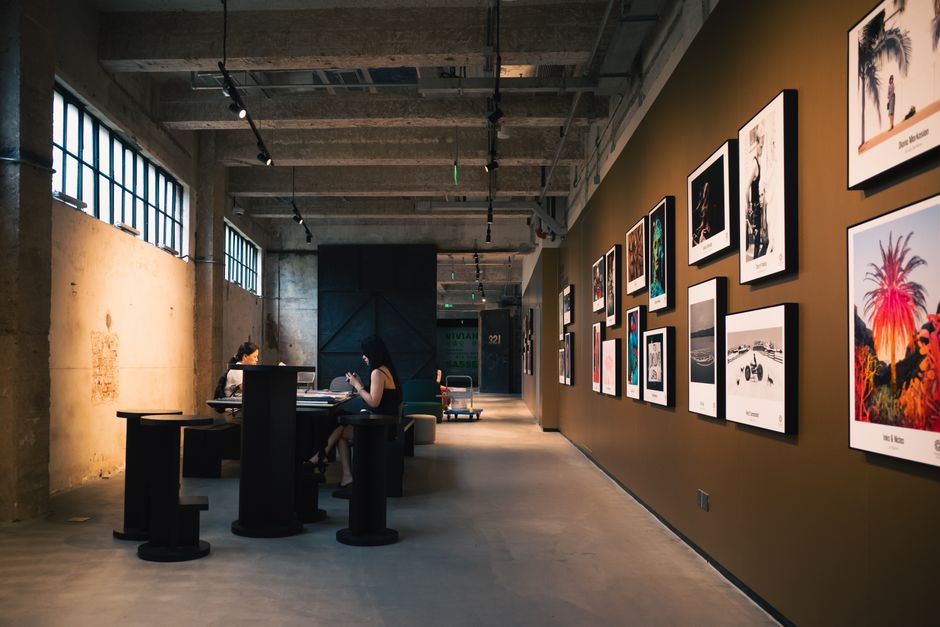
Two decades ago, the path toward a weekend in Zurich was narrow. It relied heavily on the city’s state-subsidized festivals and the predictable rotation of galleries in the Altstadt. Today, the geography of entertainment has migrated westward, deep into the old industrial corridors of District 5. Venues like Exil on Hardstrasse and the multi-use complex at Frau Gerolds Garten serve as the current standard-bearers for this evolution. These spaces transformed former shipping containers and decommissioned locomotive factories into high-traffic communal zones that prioritize architectural accessibility over the exclusivity that defined the city’s elite social clubs in the 1990s.
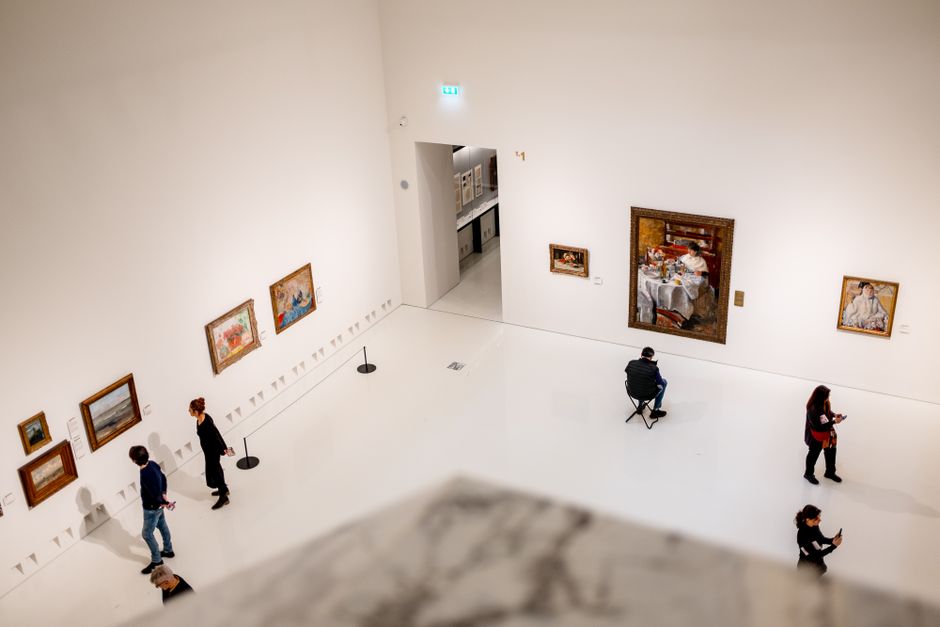
Data from the City of Zurich’s Department of Culture suggests this shift is intentional. Public spending on decentralized, independent cultural projects rose by 14.3% between 2021 and 2026. This financial pivot accounts for the rise of small-scale cooperatives such as the Rote Fabrik, which functions as both a historical site of labor agitation and a contemporary laboratory for experimental theater. Entry prices for these independent venues hover between 15 and 25 Swiss Francs, a marked contrast to the 120-plus Franc price tag attached to the major operatic events that dominated the 2005 municipal cultural budget.
Navigating the New Zurich Weekend
This weekend’s highlights reflect a city that no longer asks visitors to choose between high art and street-level revelry. The Zürcher Theater Spektakel, while months from its August peak, is already seeding performances across the Landiwiese, signaling a move toward longer-term public engagement rather than concentrated, single-weekend events. The evolution is also evident in the way neighborhoods like Wiedikon have repositioned themselves. Once quiet residential districts, these areas now host a rotating series of “pop-up” markets and late-night listening bars that operate under the radar of the larger, institutional tourism boards.
For those looking to experience the current iteration of the scene, Saturday night at the Viadukt remains the most reliable barometer of Zurich’s cultural health. Start your evening at the arches beneath the railway line; the density of local design shops and bars there illustrates a deliberate design to keep commerce and leisure within the same physical footprint. Expect crowds to peak around 11 p.m. If you find the heat lingering, the public bathing areas—particularly at Flussbad Oberer Letten—will remain open until dusk, functioning as the city’s unofficial town squares. Keep your transit pass handy; while the ZVV network is running on a standard summer schedule, localized street festivals near Langstrasse may force minor detours for the Number 4 and 13 tram lines throughout Saturday.