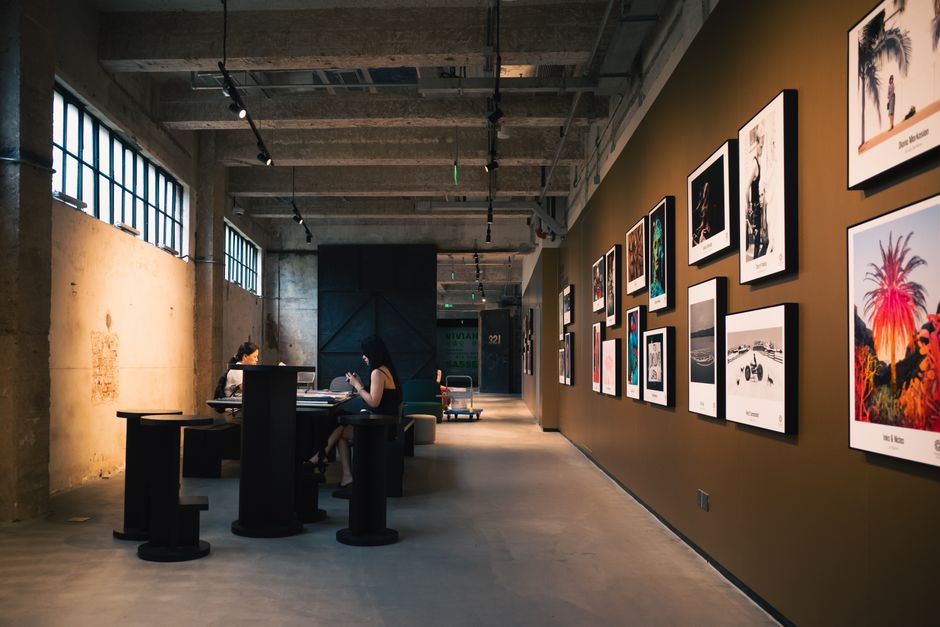
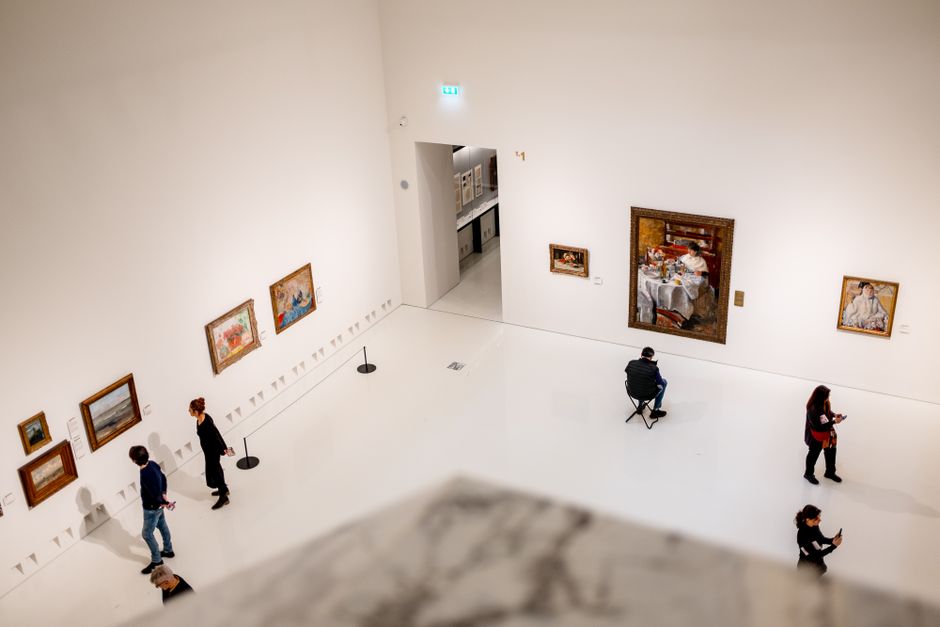
Zurich’s summer calendar has hit a boiling point this July, marking a definitive departure from the city’s historically conservative approach to large-scale public events. With the municipal government authorizing 14% more outdoor permits compared to the 2024 season, the city is no longer just a financial hub; it is positioning itself as a primary incubator for European arts and performance. The shift is most visible in the temporary installations populating the Sechseläutenplatz, where the usual quiet is currently replaced by the sound of industrial-scale art assembly.
Reframing the Urban Experience
The city's cultural identity is being rewritten in real-time, moving away from quiet museums toward high-density, participatory festivals. Organizations like the Cabaret Voltaire and the Rote Fabrik have pivoted to co-curate outdoor programs that spill onto the streets of District 4 and 5. This decentralization of culture serves as a direct response to a changing demographic of international workers and younger residents who prioritize experiential events over institutional formality. By integrating the Im Viadukt shopping area into the broader festival circuit, the city has successfully merged retail commerce with public performance, creating a continuous flow of foot traffic that sustains local artisans long after the official programs conclude.
The Economics of the New Calendar
Data released by the Zurich Tourism Board yesterday confirms that municipal expenditure on public art initiatives reached 4.2 million Swiss francs for the current quarter alone. This represents an 8% increase in public funding dedicated to arts programming since the 2023 financial cycle. Visitors to the city can expect to pay between 25 and 45 francs for access to boutique festival enclosures, though the majority of street-side installations remain free to the public. The focus has shifted toward high-turnover events that maximize the use of underutilized spaces, such as the industrial yards near the Letten Viaduct, which have been transformed into immersive pop-up galleries for the duration of July.
As the heat index rises, organizers have begun shifting major performances to dusk, extending the city’s nightlife hours past the usual 2:00 AM mandates in specific designated zones. Those looking to participate should download the 'Züri Event Guide' app to track real-time crowd densities and late-night transport shuttle schedules. With the next major wave of international music acts slated to occupy the Grossmünster plaza by mid-August, residents should anticipate significant detours around the Limmatquai. The city's current trajectory suggests that this hybrid of high-culture and street-level accessibility is now the permanent blueprint for Zurich's creative future.