Zurich’s Summer Shift: Emerging Talent Voices and the Next Wave to Watch
As the traditional gala season cools off, a new generation of artists is transforming the city's independent venues into essential cultural hubs.
As the traditional gala season cools off, a new generation of artists is transforming the city's independent venues into essential cultural hubs.
The sound of Zurich’s cultural future is moving away from the cavernous halls of the Tonhalle and into the concrete pulse of District 5. This summer, a fresh wave of multi-disciplinary artists is bypassing the established institutional track, opting instead to curate their own micro-festivals and street-level installations across the city’s industrial periphery. While the heat index across international capitals like Philadelphia and D.C. has forced the cancellation of major public fireworks, Zurich’s creative scene is experiencing a surge in intimate, venue-based programming that favors dialogue over spectacle.
For years, the city’s artistic output was strictly managed by the large-scale foundations concentrated around Bahnhofstrasse. That model is fraying. Today, collectives operating out of spaces like the Gessnerallee and the repurposed industrial remnants of Hardbrücke are dictating the new tempo. These groups are moving toward a model of hyper-local resonance, focusing on digital-physical hybridity and aggressive, experimental soundscapes that challenge the sanitized reputation of Swiss creative output. It is a departure from the high-polish aesthetic of previous years, prioritizing raw, undocumented performances over refined, ticketed retrospectives.
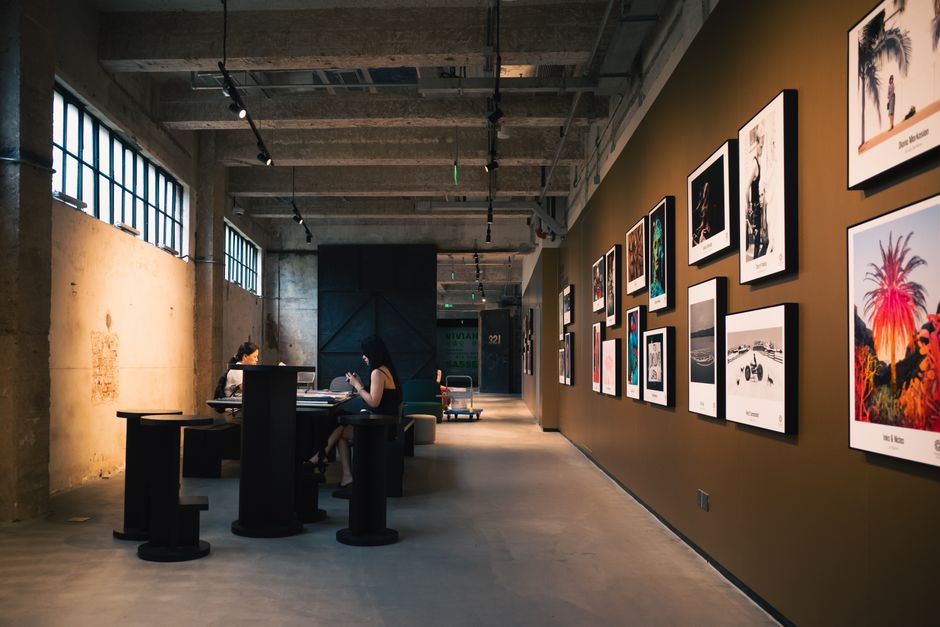
This transition is evident at the Werkstadt Zürich, where collaborative residencies have become the primary incubator for the city's next cohort of visual storytellers. Rather than waiting for invitations to exhibit at the Kunsthaus, these artists are converting vacant warehouse space into temporary galleries. The result is a more volatile, responsive scene where an exhibition might open on a Tuesday and be replaced by a live electronic performance by Thursday. The barrier to entry for creators has lowered significantly, though the challenge for the audience is keeping pace with the rapid turnover of venues.
Data from the City of Zurich’s Cultural Department indicates a 14% increase in applications for independent project grants compared to the same period in 2024. Despite a tightening of the municipal budget, these smaller, agile collectives are securing funding through a mix of private micro-sponsorships and crowd-sourced ticketing platforms. The average price for a night of curated performances at venues like Hive or the smaller, independent boxes in Wiedikon now sits between 25 and 40 Swiss Francs. This accessibility is keeping the demographic of attendees young and deeply embedded in the local urban fabric, avoiding the tourist-heavy sprawl of the city center.
The trajectory for these artists suggests a permanent move toward decentralized production. For those following the trend, the calendar for late July is already packed with unlisted showcases. If you want to see the next wave, skip the major museum listings. Keep an eye on the bulletin boards at the Rote Fabrik and follow the specific, low-frequency digital newsletters coming out of the creative hubs in Oerlikon. The city is currently in a state of rapid artistic fermentation; if you are looking for the next significant voice in Swiss contemporary art, you will find them in the dark corners of the industrial districts long before they reach the main stage.
How does this story make you feel?
Spread the word
About this article
Published by The Daily Zurich
Daily brief
Free, in your inbox before 7am. Weekdays.
More in culture