Zurich’s cultural identity is currently undergoing a deliberate shift, with historical preservation societies and contemporary artists converging to highlight the city's medieval origins during this year’s summer season. City officials confirmed this morning that the ongoing renovation of the Niederdorf district has entered its final phase, unearthing foundations dating back to the 13th century that were previously hidden under cobblestones.
The push to reconnect residents with local heritage serves as a necessary anchor in a week dominated by turbulent international headlines, ranging from shifting leadership in Tehran to the cancellation of major celebrations across the United States due to record-breaking heat. While global news highlights fractures and environmental collapse, Zurich is betting on a slower, curated experience that prioritizes the city’s architectural continuity over rapid modernization.
Mapping the city’s historical pulse
For those looking to move beyond the usual tourist path, the Stadtmuseum and the Vereinigung Zürcher Kunstfreunde have coordinated a new series of guided walks that focus specifically on the guild houses lining the Limmat. Starting at the Zunfthaus zur Meisen on Münsterhof, these tours provide rare access to guild interiors that have served as the city’s political heart since 1336. Unlike the temporary exhibitions often found in the Kunsthaus, these sessions focus on the permanent socio-economic structures that defined Zurich's rise as a global financial power.
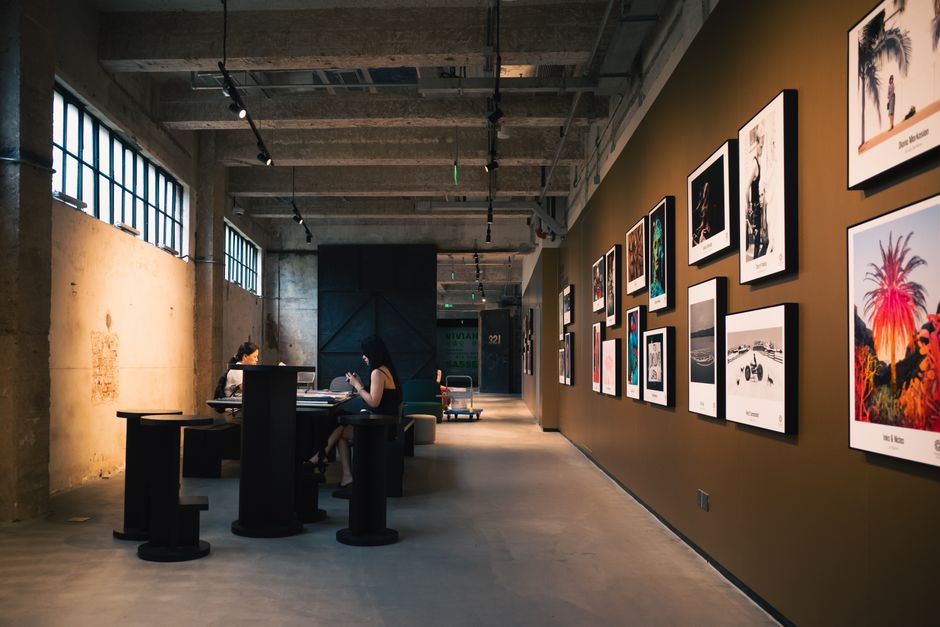
Following the river north, the focus shifts from medieval governance to the gritty transformation of the District 4 and 5 corridors. The Rote Fabrik on the shores of Lake Zurich remains the epicenter of this dialogue, hosting a retrospective on the industrial-to-artistic transition that defined the area in the late 1980s. Visitors can see the raw, exposed steel frames of the former factory floor, which now houses an experimental theater space, offering a stark contrast to the polished marble of the Bahnhofstrasse.
Data and entry: The cost of heritage
Engagement with these sites is becoming increasingly accessible, despite the city’s reputation for high entry costs. The Zürich Card, priced at 27 CHF for a 24-hour pass, currently covers admission to 43 local museums, including the Landesmuseum, which features a detailed permanent exhibit on Swiss national development through the centuries. According to the latest figures from the Zurich Tourism Board, museum attendance in the second quarter of 2026 has climbed by 14% compared to the same period in 2025, largely driven by residents seeking deeper context regarding their city's history.
If you plan to visit the upper gallery of the Grossmünster to view the city from its most historical vantage point, do so before 4:00 PM on weekdays to avoid the peak crowds descending from the cruise boats. For a quieter perspective, the garden at the Museum Rietberg offers a serene environment to digest the day’s findings. Bring your own water, as the public fountains, or 'Brunnen,' provide free, chilled potable water sourced directly from the Uetliberg, a testament to the city’s centuries-old focus on civil infrastructure that remains operational and essential to this day.